
Companion Plants
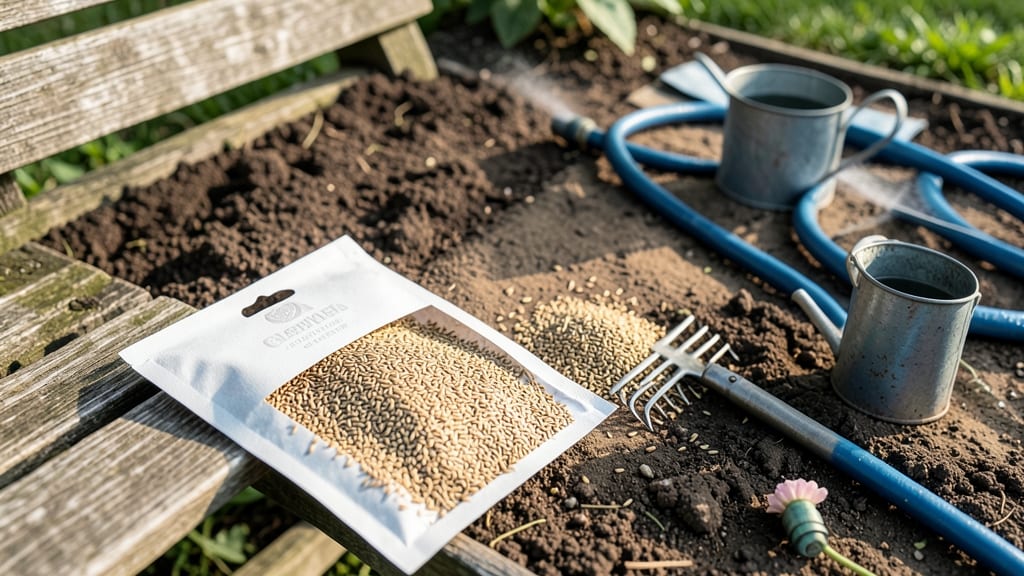
Planting grass seed in North Carolina at the wrong time can mean wasted money and months of patchy lawn frustration—especially when spring’s unpredictable weather throws off your timing.
I’ve learned the hard way that soil temperature, not just calendar dates, determines success. Whether you’re in the mountains or coastal plains, knowing when the ground warms to 55-65°F (for cool-season grasses) or 65-75°F (for warm-season) is the key to germination.
Let me show you exactly when to plant in your region.
From Asheville’s March 15 frost-free window to Raleigh’s April 15 timeline, we’ll break down the best windows—early spring or late summer/fall—and how to avoid common mistakes that derail even the best-laid plans.
Ready to transform your yard? Grab your soil thermometer and let’s get started—your perfect lawn is just 4-6 weeks away.
North Carolina’s ideal grass-seeding window: soil temperature rules (not calendar dates)
North Carolina’s diverse climate zones (USDA 6a-8b) mean your grass seed timing depends more on soil temperature than calendar dates. Cool-season grasses like Tall Fescue thrive when soil hits 55-65°F, while warm-season types such as Bermuda grass need 65-75°F.
Ignoring these rules leads to slow germination or seed waste.
A soil thermometer ($10 at garden centers) is your best tool. Stick it 2 inches deep (where seeds germinate) and check daily. Morning readings are most accurate.
For example, in Asheville (Zone 6a), soil may hit 60°F by mid-April, while coastal Wilmington (Zone 8b) could be ready by early March.
Here’s the golden rule: Plant when soil is consistently warm for 5+ days. This ensures seeds don’t dry out or rot from cool nights. Pro tip: Use a clear plastic mulch to warm soil faster if you’re early in the season.
North Carolina’s microclimates complicate things further. Mountain regions (e.g., Boone) may have 2-4 weeks later soil warmth than the Piedmont (Raleigh) or coastal plains (Greenville). Always adjust your planting window by 1-2 weeks based on elevation.
| Grass Type | Ideal Soil Temp (°F) | Best NC Planting Window | Soil Prep Tip |
|---|---|---|---|
| Cool-Season (Tall Fescue, Ryegrass) | 55–65°F | Early spring (March–April) or late summer (Aug–Sept) | Loosen soil to 3 inches; add compost |
| Warm-Season (Bermuda, Zoysia) | 65–75°F | Late spring (May) or early summer (June) | Rake bare soil; use starter fertilizer |
| Kentucky Bluegrass | 50–60°F | Early spring (March) only | Test pH (6.0–7.0); amend if needed |
Spring planting in NC is a balancing act. Aim for 4-6 weeks before summer heat (after May 15 in most regions). If you miss spring, late summer (August) is your second chance—just ensure soil stays consistently warm for germination. For overseeding, wait until September when nights cool.
Ever wonder why some lawns sprout unevenly? It’s often due to inconsistent soil temps. Shady spots (e.g., under trees) may stay 10°F cooler than sunny areas.
Use a shade cloth to protect seedlings if your yard has partial shade. Test multiple spots with your soil thermometer before planting.
Watering too early can drown seeds, while waiting too long risks drought stress. Start watering lightly (just to moisten soil) 2 days before planting, then deep-water daily for the first 2 weeks.
Use a rain gauge to track ½-inch of water per week—this is critical for germination success.
Don’t fall for the myth that “spring always means planting time”. In Zone 8b (coastal NC), planting in February can backfire if a late frost hits. Always check the NC State Climate Office for 10-day forecasts before seeding. Patience pays off—wait for stable conditions.
For fastest results, pair your planting with a starter fertilizer (high in phosphorus). This boosts root growth by 30% in the first 3 weeks. Just avoid nitrogen-heavy fertilizers—they burn tender seedlings. My go-to? A 10-20-10 blend applied lightly at planting.
Frost-free Zone map: when to plant by North Carolina region (mountains to coast)
North Carolina’s diverse climate zones mean your frost-free window could vary by 6 weeks—from the cool mountain valleys to the warmer coastal plains. While most gardeners focus on calendar dates, frost dates and soil warmth are the real game-changers for grass seed success.
For example, Asheville (Zone 6a) typically sees its last frost around April 15, while Wilmington (Zone 8b) can plant until May 1 without frost risk. This shift affects which grass varieties thrive and when you should plant them.
Here’s how to align your planting with North Carolina’s three key regions: mountains, Piedmont, and coast. Each has its own ideal planting window, grass type recommendations, and critical deadlines to avoid frost damage.
| Region | Last Frost Date | First Frost Date | Best Planting Window | Recommended Grass Types |
|---|---|---|---|---|
| Mountains (Asheville, Boone) | April 15 | October 31 | Late April–Early May OR Late August–Mid-September |
Tall Fescue, Fine Fescue, Kentucky Bluegrass |
| Piedmont (Raleigh, Greensboro) | March 15 | November 15 | Early March–Mid-April OR Mid-August–Early September |
Tall Fescue, Bermuda, Zoysia |
| Coastal (Wilmington, Fayetteville) | May 1 | November 30 | Late March–Early April OR Early September–Mid-October |
Bermuda, Centipede, St. Augustine |
If you’re planting in fall, aim to finish 6 weeks before the first frost. For example, in Raleigh, that means planting by September 25 to ensure strong root growth before winter.
Use a 30-day buffer if your area has unpredictable weather—delay planting if late-summer rains keep soil too wet.
For warm-season grasses like Bermuda or Zoysia, wait until soil temperatures hit 65°F+. In the Piedmont, this usually aligns with mid-May, while the coastal region can start as early as April 15. Always check with your local Cooperative Extension office for hyper-local adjustments.
Pro tip: Mark your calendar with two key dates—your last frost date and the 6-week buffer before the first frost. This ensures you’re planting when roots can establish without frost damage ruining your efforts.