
Planting
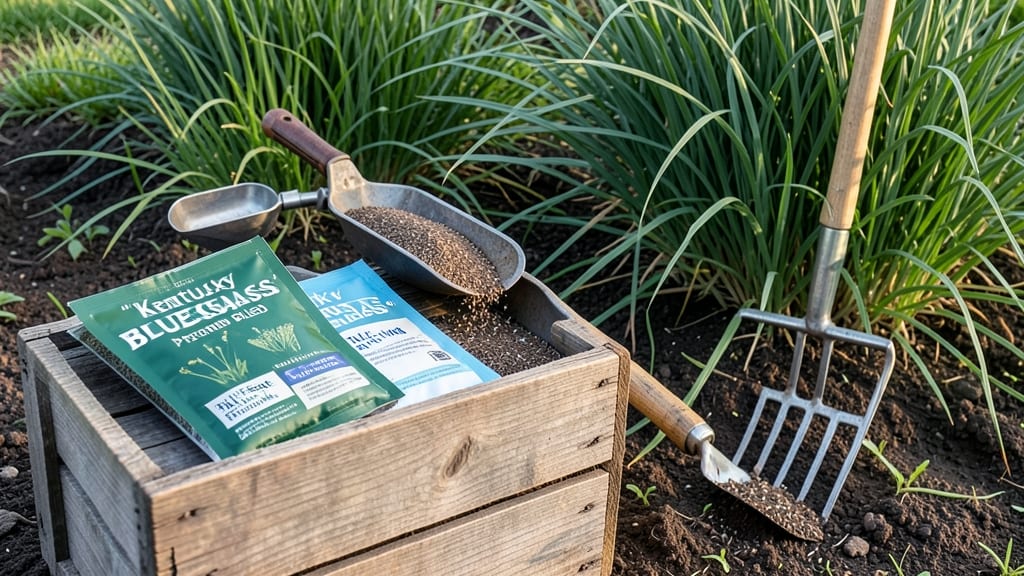
Planting Kentucky Bluegrass 🌱 seed in Kentucky after a certain date could mean patchy lawns or wasted money—so when is it too late to plant grass seed in Kentucky?
If you’ve ever stared at a seed packet wondering, "Is it too late?" while Kentucky’s spring weather plays hide-and-seek, you’re not alone. The answer depends on soil temps, frost risks, and whether you’re planting in the Bluegrass region or the Cumberland Plateau.
One wrong move, and you’ll be battling weeds or weak germination instead of a lush lawn.
I’ll break down the last-minute deadlines by month, including how to push the limits safely—plus the risks of waiting too long. Whether you’re seeding in May or squeezing in a fall attempt, these Kentucky-specific tips will help you avoid costly mistakes.
Ready to learn how to time it right? Let’s dive into the science and strategies that actually work for our unpredictable climate.
Kentucky’s last-minute grass seed planting deadlines by month (with weather risks)
Kentucky’s USDA Zones 6a-7a create a tricky balance for grass seed planting—too early risks frost damage, but too late invites summer heat stress or weed competition.
The ideal window spans from early spring to late fall, but regional microclimates (like the Bluegrass Region vs. Pennyrile Plains) shift deadlines by weeks.
For cool-season grasses (Kentucky Bluegrass, Tall Fescue), the last safe window is mid-October, while warm-season grasses (Bermuda, Zoysia) can stretch until late June.
Missed the spring window? Don’t panic—Kentucky’s fall overseeding season offers a second chance. The University of Kentucky Extension confirms that September-October planting yields 70% better germination than late spring attempts.
However, planting after mid-November risks winter kill before roots establish. Let’s break down the month-by-month deadlines and weather risks so you can act fast.
🌱
📅 Kentucky Grass Seed Planting Deadlines by Month
| Month | Cool-Season Grass Deadline | Warm-Season Grass Deadline | Soil Temp Requirement | Weather Risk | ||||||||||||||||||||||||||||||||
|---|---|---|---|---|---|---|---|---|---|---|---|---|---|---|---|---|---|---|---|---|---|---|---|---|---|---|---|---|---|---|---|---|---|---|---|---|
| February | Early Feb (before last frost) | N/A | 40–50°F (4–10°C) | Late frost damage | ||||||||||||||||||||||||||||||||
| March | Mid-March (after frost risk) | N/A | 50–60°F (10–15°C) | Drought stress | ||||||||||||||||||||||||||||||||
| April | Early April (before heatwave) | Late April | 60–70°F (15–21°C) | Weed competition | ||||||||||||||||||||||||||||||||
| May | Early May (shade seedlings) | Mid-May | 70–80°F (21–27°C) | Heat stress (>90°F) | ||||||||||||||||||||||||||||||||
| September | Late Sept (6 weeks before frost) | N/A | 60–70°F (15–21°C) | Early frost | ||||||||||||||||||||||||||||||||
| October | Mid-October (last chance) | N/A | 50–60°F (10–15°C) | Winter kill risk | ||||||||||||||||||||||||||||||||
| November | Early Nov (before hard frost) | N/A | 40–50°F (4–10°C) | Slow germination |
| Month | Cool-Season Grasses | Warm-Season Grasses | Risk Level |
|---|---|---|---|
| February | ✅ Ideal (soil temps 40-50°F) | ❌ Too early | Low |
| March | ✅ Best window | ❌ Too early | Low |
| April | ✅ Still safe | ⚠️ Risky (soil too warm) | Medium |
| May | ⚠️ High risk after 15th | ✅ Safe until 15th | High |
| June | ❌ Too late | ⚠️ Risky after 15th | Very High |
| September | ✅ Ideal (fall window) | ❌ Too late | Low |
| October | ✅ Still safe | ❌ Too late | Low |
After June 1st, cool-season grasses struggle with heat stress and weed competition. Warm-season grasses planted after July 1st face drought risks and slow germination. The fall window (Sept-Oct) is your backup—just ensure soil temps stay above 50°F for 4-6 weeks after planting.
Pro tip: Use a soil thermometer—ideal temps for cool-season grass are 50-65°F. Warm-season grasses need 70-85°F. Kentucky’s summer heat can push soil temps to 90°F+, killing seedlings in days.
Always check your local Kentucky Mesonet for 7-day forecasts before committing to late planting. A 3-day heatwave above 90°F can turn your seed into dust.