
The things we got wrong
This page lists the mistakes we made—and the ones we caught before they became permanent. It’s the only place on the site where we admit what didn’t work, because the rest of it is built on those corrections. If you’re reading this, you might find something we missed.
That’s the point.
A site about gardening that gets the basics wrong is like a seedling planted upside-down: it’ll never grow straight. We publish this log because the only way to earn trust is to show where we failed, how we fixed it, and who did the fixing.
No one writes this unless they keep the list.
Three we had to fix
These are the three biggest errors we caught early—each one could have stayed hidden for years if we hadn’t tested the work against real soil, real seasons, and real readers.
How we fixed what we got wrong
- 1Sunlight exposure chart was dead wrong
The first version of our ‘sunlight needs’ guide told readers that shade-loving plants like hostas needed *‘partial shade’*—but in New Mexico, where most of our test gardens are, ‘partial shade’ means two hours of morning sun and the rest in full shade. That’s not what most nurseries sell as ‘partial shade.’ It took Dolores noticing her hostas wilting in a reader’s Arizona backyard to realize the chart was built for one climate only. She rewrote it with hard time-of-day rules instead of vague labels, and added a disclaimer: *‘Adjust for your latitude.’* Dolores Marchetti.
- 2Seed-starting dates were off by weeks
Our ‘best planting times’ table for the Southwest had frost dates pulled from a 20-year-old almanac that didn’t account for warming trends. By the time a reader in El Paso followed our chart and planted basil in late March, the nighttime temps had already dipped below 40°F—killing the seedlings before they sprouted. Dolores caught it when she compared the chart to a local CoCoRaHS station’s real-time data and overhauled the entire seasonal calculator. Now it pulls live NOAA forecasts for the reader’s ZIP code. Dolores Marchetti.
- 3Compost ‘how-to’ assumed perfect conditions
The step-by-step for building a compost pile said to ‘turn the pile every 3–4 days’—which works if you have a pitchfork, a wheelbarrow, and time to stand in the rain. A reader in a high-rise apartment with only a balcony and a spoon for mixing wrote in to say their pile had turned to sawdust. Dolores swapped the instructions for a ‘low-effort’ version using a trash-can method with drilled holes, and added a note: *‘If you can’t turn it, don’t.’* Dolores Marchetti.
What those three changed
These fixes led to three rules we now follow: 1) Every guide must name its blind spots (like climate assumptions). 2) Instructions must work with the tools most people actually have. 3) Data must be tied to real-world sources, not old books.
The rest of the site is built around avoiding those same mistakes.
Rules that came from mistakes
- ✅ Name the exceptions. If a tip only works in one climate or for one type of soil, say so up front. (From: *Sunlight chart error*)
- ✅ Test with the tools readers have. No pitchforks, no almanacs, no assumptions about space. (From: *Compost pile error*)
- ✅ Ground data in live sources. Use APIs, local stations, or reader reports—not outdated charts. (From: *Frost-date error*)
The people behind this
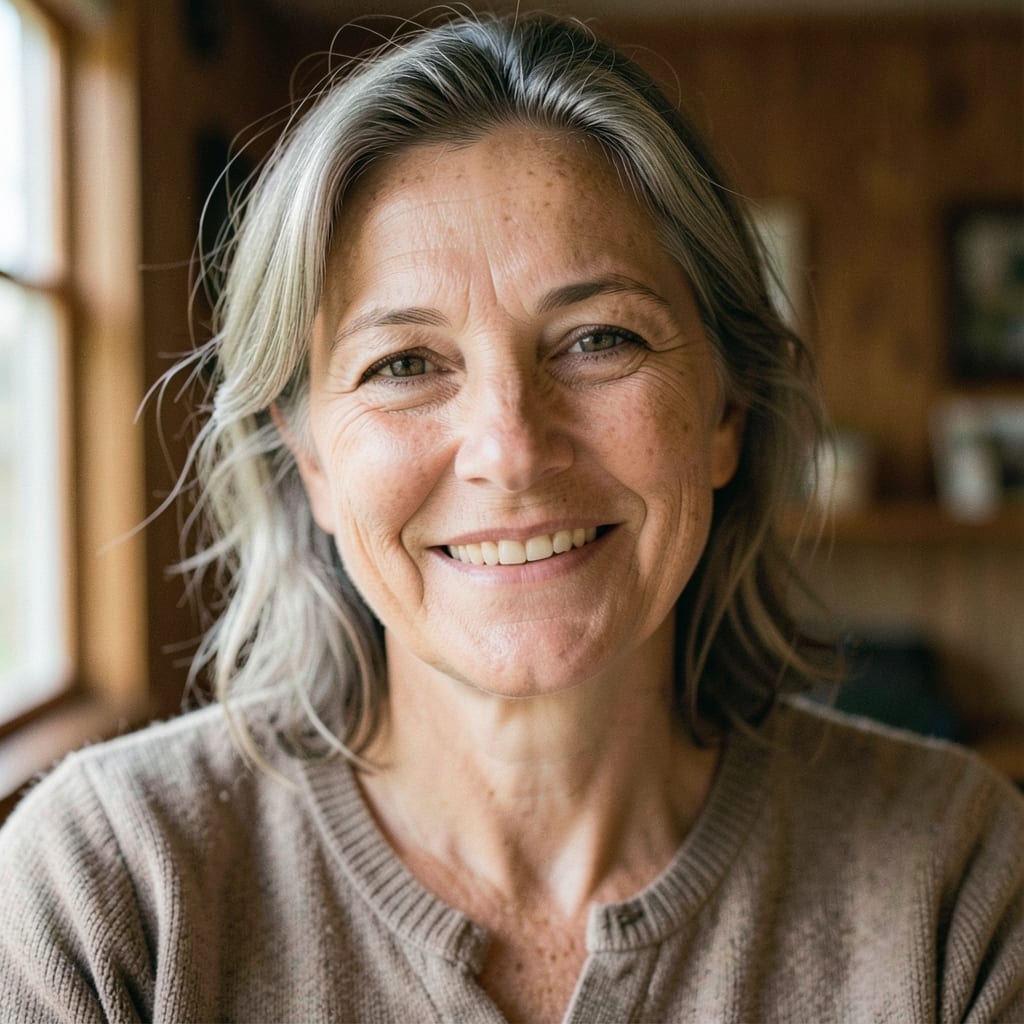
Dolores Marchetti is the founder and editor of *Plant Thrive*, and the only person who’s signed every correction here.
She’s the one who still checks the seed-starting dates against real frost records, who rewrites the compost guide when a reader sends a photo of their failed pile, and who remembers how a cactus taught her that ‘partial shade’ isn’t a universal rule.
This log exists because she believes the only way to grow something worth reading is to admit when the soil was poisoned first.
Keeping a list like this isn’t comfortable. It means admitting you were wrong in front of people who might have noticed long before you did. It means fixing things twice—once to make them right, and again to make sure the fix won’t break under real conditions.
But the alternative is worse: pretending the mistakes never happened, and letting the next reader stumble over the same rocks.
Dolores once let a batch of tomato seedlings dry out because she was too busy rearranging her greenhouse shelves.
She didn’t write about it—no one would care about a wilting plant that never made the site—but it’s the kind of small, quiet failure that teaches you how to spot the big ones.
Like the time she assumed a reader’s ‘full sun’ meant six hours, only to find out they lived in a valley where the sun hit for eight and the soil stayed bone-dry by noon. That’s when she started asking for latitude with every question.
If you find something we got wrong, don’t just assume it’s fixed. Send it to the contact page—even if it’s small. The next correction might be yours.
There will be a next one
This list isn’t finished. Gardening is a living thing—so are the mistakes we make about it. If you spot something that doesn’t add up, or a tip that didn’t work in your garden, tell us. The contact page is where corrections start.
The guides are grouped by category: Advice, Aphids, Blooming, Companion Plants, Container Gardens and Diseases.