
Companion Plants
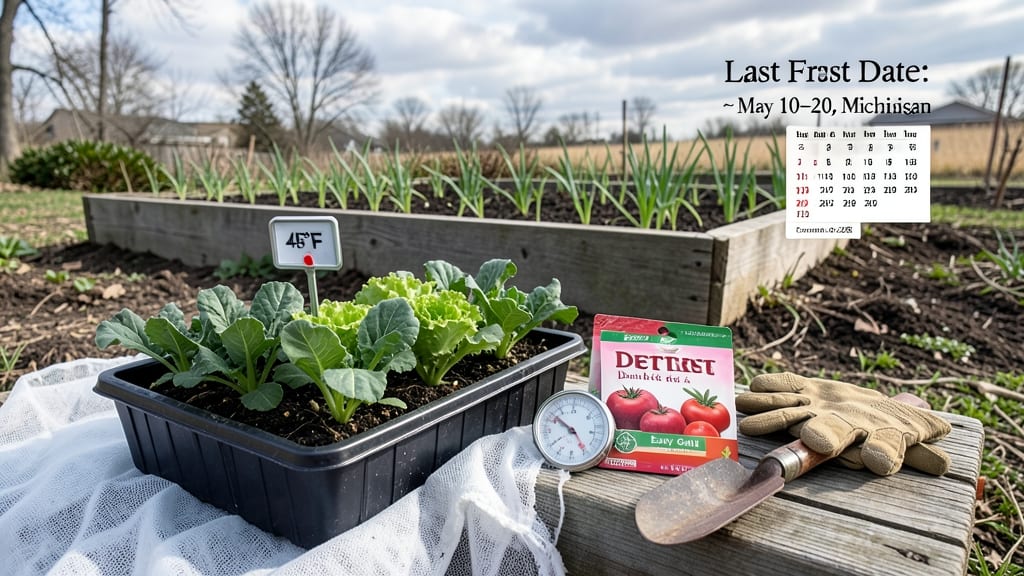
Michigan’s last frost dates by region: exact timelines for planting success
Michigan’s USDA Zone 6B means your planting window hinges on last frost dates that vary wildly across regions—from late April in southern Michigan to early June in the north. These dates separate frost-tolerant crops (like peas and spinach) from frost-sensitive plants (tomatoes, peppers, and basil).
Missing the mark can mean wilting seedlings or stunted growth, but nailing the timing guarantees a bountiful harvest.
For Detroit and southern Michigan, aim for April 15–May 1 as your last frost window, while Grand Rapids and northern Michigan should wait until May 15–June 1.
Rural areas often experience earlier frosts than cities due to urban heat islands, so adjust accordingly. Always check local weather forecasts and use frost-free date calculators for precision.
Here’s how to use these dates for your garden:
| Region | Avg. Last Frost | Safe to Plant | Frost-Tolerant Crops | Warm-Season Crops |
|---|---|---|---|---|
| Southern Michigan (Detroit, Ann Arbor) | April 15–May 1 | May 1–15 | Peas, spinach, kale, lettuce | Tomatoes, peppers, cucumbers (after May 15) |
| Central Michigan (Lansing, Kalamazoo) | April 25–May 10 | May 10–25 | Radishes, carrots, broccoli | Beans, squash, basil (after May 25) |
| Northern Michigan (Grand Rapids, Traverse City) | May 10–June 1 | June 1–15 | Potatoes, onions, cabbage | Corn, melons, okra (after June 1) |
| Upper Peninsula (Marquette, Houghton) | May 20–June 10 | June 10–25 | Peas, turnips, lettuce | Peppers, eggplants (late June) |
Cool-season crops like spinach, peas, and broccoli thrive when planted 4–6 weeks before your last frost date. These hardy plants can handle light frosts down to 20°F, making them ideal for early spring sowing.
For example, if your last frost is May 1, plant spinach in early April for a June harvest.
Warm-season crops—such as tomatoes, peppers, and cucumbers—require soil temperatures above 50°F (10°C) and consistent warmth. Wait until two weeks after your last frost date to transplant seedlings or direct-sow seeds.
In southern Michigan, this means mid-May, while northern regions should hold off until late May or June.
Pro tip: Use row covers or cold frames to extend your planting window by 2–3 weeks for frost-sensitive crops. These tools create a microclimate that protects seedlings from late frosts.
For instance, you can plant tomato seedlings under row covers in early May in Detroit, then remove the covers once nighttime temps stay above 50°F.
Always monitor soil temperature with a soil thermometer—it’s more reliable than air temperature. Cool soil slows germination, so wait until it reaches 50°F for warm-season crops and 40°F for cool-season crops.
In Michigan’s unpredictable climate, patience pays off—rushing can lead to frost damage or poor growth.
First-time gardeners often make the mistake of planting tomatoes or peppers too early, only to watch them wilt when temperatures dip. Instead, start these indoors in March and transplant after Memorial Day in most of Michigan.
For direct-sown seeds, like beans and carrots, wait until the soil is warm and the danger of frost has passed.
🌱
Step-by-step planting calendar: what to sow when in Michigan gardens
Michigan’s growing season is short but sweet, so planning your planting schedule by the week makes all the difference. Start with cool-season crops like spinach and peas in early spring, then transition to warm-season favorites like tomatoes and peppers after the last frost.
Here’s your foolproof timeline to maximize your harvest.
For early spring (March–April), focus on hardy vegetables that tolerate light frosts. Plant onion sets and potatoes in March when soil temperatures hit 40°F (4°C). By mid-April, add spinach, lettuce, and radishes—these thrive in cooler weather and can handle a surprise frost.
Use row covers for extra protection if nights dip below 30°F (-1°C).
🌱 Step-by-Step Planting Timeline for Michigan Gardens
- March 1–15: Plant onion sets, potatoes, and peas (hardy to 20°F (-7°C)).
- March 16–31: Direct sow spinach, lettuce, and radishes if soil is workable.
- April 1–15: Transplant broccoli, cauliflower, and kale. Start tomato and pepper indoors.
- April 16–30: Sow carrots, beets, and cabbage. Harden off seedlings.
- May 1–15: Plant warm-season crops like beans, cucumbers, and squash after last frost.
- May 16–31: Transplant tomatoes, peppers, and eggplants when soil is 60°F (15°C).
- June 1–15: Succession plant bush beans, lettuce, and radishes for fall harvest.
By late May, Michigan’s soil temperatures finally warm up, signaling it’s time for warm-season crops. Plant beans, corn, and squash directly in the ground once nighttime temps stay above 50°F (10°C).
If you’re transplanting tomatoes or peppers, wait until soil reaches 60°F (15°C)—cooler soil stunts root growth and delays fruiting. Pro tip: Use a soil thermometer to track temps accurately.
Don’t forget about succession planting! For crops like lettuce, radishes, and bush beans, sow new seeds every 2–3 weeks from late spring through early summer.
This ensures a continuous harvest and prevents bolting (when plants flower prematurely due to heat). Even in Michigan’s short season, this trick extends your garden’s productivity by 30–50%.
For fall planting, start with cool-season crops again in early August. Kale, broccoli, and spinach can handle Michigan’s early autumn frosts and often taste sweeter after a light freeze.
Plant these 8–10 weeks before your expected first frost (mid-October in most areas). If you’re ambitious, try overwintering hardy greens like swiss chard or garlic for early spring harvests.
Timing your plantings this way ensures your Michigan garden stays productive from spring to fall, even with unpredictable weather. Keep a gardening journal to track what works best in your specific microclimate—urban Detroit might have a week-long head start over rural areas, so adjust as needed. Happy planting! 🌱