
Plants
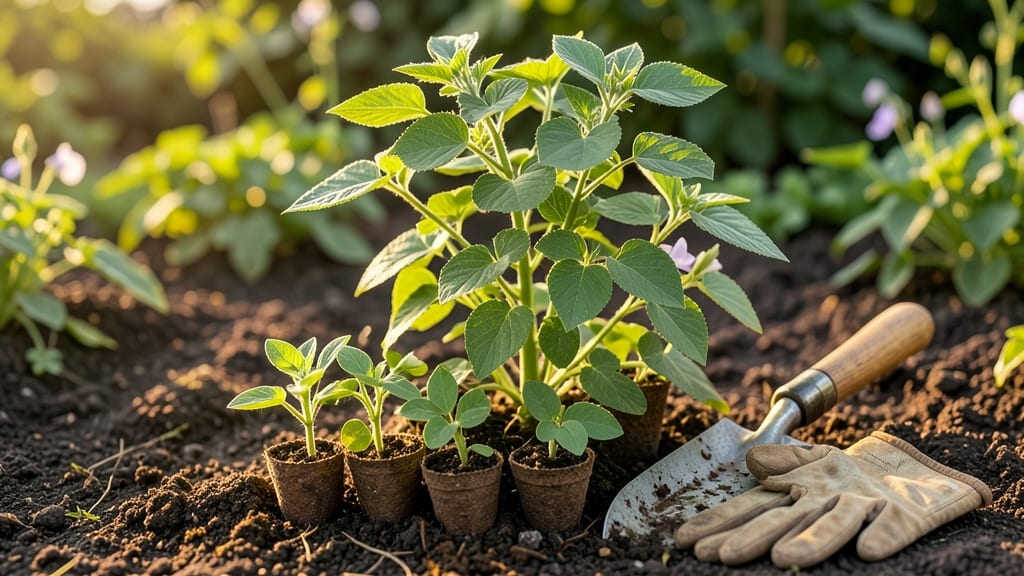
Planting beans in Colorado isn’t just about waiting for spring—it’s about timing them perfectly to beat frost and avoid summer’s scorching heat. With USDA zones 4-7 across the state, your ideal window could be weeks apart from your neighbor’s, and getting it wrong means wasted effort or stunted yields.
I’ve grown beans in Colorado for years, and the key is knowing when soil temps hit that sweet spot—60°F or warmer—while still giving your plants enough cool weather to establish roots before the heat sets in.
Skip the guesswork: I’ll break down the exact heat-zone-specific planting dates for both pole and bush varieties, so you can start confidently whether you’re in Denver or the San Luis Valley.
Why does this matter? Because planting too early risks frost damage, while waiting too long means your beans bolt—or worse, never mature—thanks to Colorado’s unpredictable swings from snow to 90°F in a single week.
Let’s tackle this step by step, so you can enjoy a bountiful harvest from your 🌱 beans all summer long.
You’ll also discover how to adjust for late frosts, choose the best varieties for your elevation, and even extend your growing season with simple tricks. Ready to turn your garden into a bean bonanza? Let’s get started.
Colorado heat-Zone planting calendar: exact start dates for pole vs. bush beans
Colorado’s heat zones 4-7 create a unique challenge for bean growers. Unlike coastal regions, our elevation differences (from 3,000 to 10,000 feet) mean last frost dates vary wildly—even within the same county.
For example, Denver (Zone 5) typically sees its last frost around May 15, while Grand Junction (Zone 6) can plant beans 2 weeks earlier thanks to warmer nights.
Beans thrive when soil temperatures hit 60°F+, but rushing them in cool zones risks rot and poor germination. I’ve planted Provider pole beans in Zone 4 as early as May 20—only to lose them to a late frost.
The key? Wait until soil warms consistently above 60°F, which in Colorado often means late May to early June for most gardeners.
Here’s the heat-zone breakdown you need to pinpoint your perfect planting window:
| Heat Zone | Last Frost Date | Optimal Planting Window | Best Varieties | Soil Temp Requirement |
|---|---|---|---|---|
| Zone 4 (High Altitude) | May 20–June 5 | June 1–15 (after soil warms) | Contender (bush), Blue Lake (pole) | 60°F+ for 7+ days |
| Zone 5 (Denver, Fort Collins) | May 1–15 | May 20–June 10 | Kentucky Wonder (pole), Roma II (bush) | 58°F+ (earlier for bush beans) |
| Zone 6 (Colorado Springs) | April 15–May 1 | May 1–May 20 | Provider (pole), Tendercrop (bush) | 55°F+ (fast germination) |
| Zone 7 (Grand Junction) | March 15–April 1 | April 15–May 10 | Blue Lake (pole), Golden Gate (bush) | 50°F+ (longer season) |
*Adjust dates 1–2 weeks later for high-altitude gardens above 7,000 ft.
Pole beans need longer growing seasons (90+ days), so I recommend starting them 2 weeks earlier than bush beans in cooler zones. For example, in Zone 5, plant Kentucky Wonder pole beans by May 20 but wait until June 1 for Contender bush beans.
This staggered approach maximizes your harvest window.
Pro tip: Use a soil thermometer ($10 at garden centers) to confirm readiness. I’ve seen Zone 5 gardens hit 60°F by May 10 only to drop back to 45°F overnight—waiting for 3 consecutive days above 60°F ensures success. 🌱
For high-altitude gardens (7,000+ ft), consider black beans like Oaxacan, which tolerate cooler soils better than green varieties. I’ve grown them successfully in Zone 4 by planting July 1–15 for a fall harvest, using row covers to extend the season.
Colorado’s short growing season demands precision. Miss the window, and you’ll face bolting beans (going to seed too fast) or stunted growth from heat stress. The table above gives you a 10-day buffer on either side—use it to align with your local CoCoRaHS weather station data for hyper-local accuracy.
One mistake I made early on? Planting bush beans too early in Zone 6 because I assumed “warmer zone = earlier planting.” The result? Fungal issues from damp soil. Now, I wait until soil is dry enough to crumble before planting—even if it’s a few days late.
Remember: Succession planting is your secret weapon. In Zone 7, I plant bush beans every 2 weeks from April 15–June 1 to ensure a continuous harvest through August. For pole beans, a single planting in
How to adjust planting times for Colorado’s unpredictable weather patterns
Colorado’s weather can shift faster than a mountain breeze, leaving gardeners scrambling to protect tender bean seedlings. Late spring frosts, sudden heatwaves, or even hail can turn your carefully planned planting schedule into a gamble.
The key? Flexibility. Adjusting your planting times based on real-time conditions—like soil temperature and weather forecasts—can mean the difference between a thriving harvest and lost plants.
Start by monitoring soil temperatures with a simple thermometer. Beans need soil that’s at least 60°F (15°C) to germinate properly. If your local forecast calls for a hard freeze within 10 days of planting, delay until conditions stabilize.
For high-altitude areas (zones 4-5), this might mean waiting until mid-to-late June, while lower elevations (zones 6-7) can often start as early as mid-May.
⚠️ Callout Warning
Colorado’s unpredictable frost risks can strike even after your last expected frost date. Use row covers or cloches to protect seedlings if nighttime temps dip below 50°F (10°C). For pole beans, delay planting until after June 1 in zones 4-5 to avoid early-season heat stress.
For succession planting, stagger your sowings every 2-3 weeks to extend your harvest window. This works especially well for bush beans, which mature faster (about 50-60 days) than pole beans (60-90 days).
If a heatwave hits early, opt for shade cloth (30-50% coverage) to prevent blossom drop, a common issue in Colorado’s dry summers. Pole beans, in particular, benefit from afternoon shade during July and August.
Don’t forget to harden off seedlings before transplanting. Acclimate them to outdoor conditions over 5-7 days, reducing shade cloth gradually. This toughens up young plants so they can handle Colorado’s rapid temperature swings.
If you’re in a high-elevation garden, consider starting seeds indoors 4-6 weeks before your target outdoor date to give them a head start.
💡 Pro Tip
Use mulch (straw or grass clippings) to regulate soil temperature and retain moisture. This is especially critical in zone 4-5 gardens, where soil can stay cold well into June. Aim for a 3-inch layer around plants to keep roots cool during heatwaves.
Finally, keep an eye on local agricultural extension resources, like Colorado State University’s Colorado Climate Center, for real-time updates. Their frost-free date maps and growing degree day calculators are invaluable for fine-tuning your planting schedule.
By staying adaptable, you’ll turn Colorado’s weather quirks into opportunities for a longer, more reliable bean harvest**—no matter what Mother Nature throws your way.
🌱