
Plants
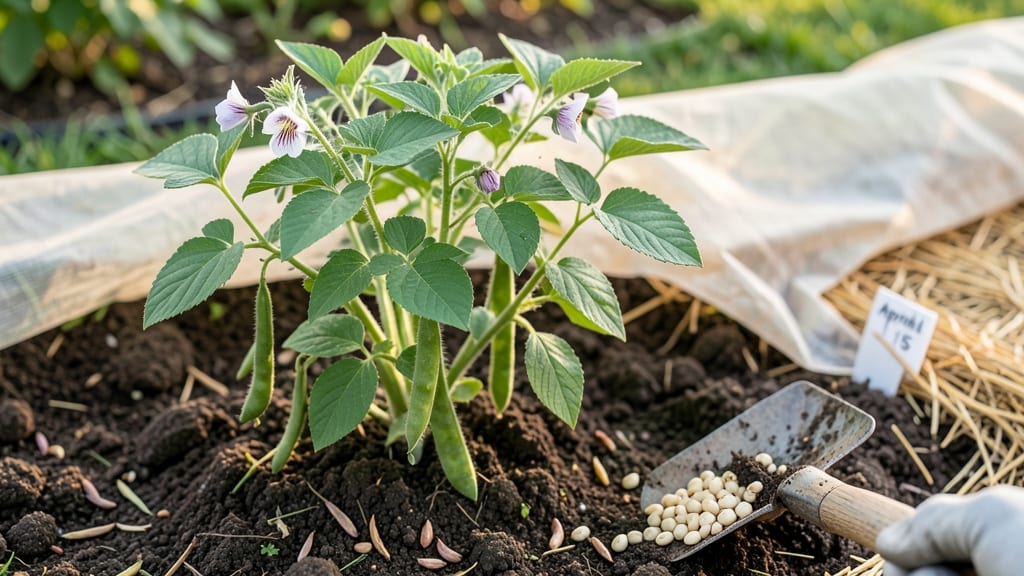
Planting beans at the wrong time in Kentucky’s 6a-7a zones can mean the difference between a bountiful harvest and wasted effort—so getting the timing right is your game-changer.
Whether you're growing 🌱 snap beans or hearty lima beans, the key lies in understanding Kentucky’s unique climate patterns and soil conditions.
Most gardeners in Kentucky know the April 15 - May 15 window is ideal for spring planting, but what about fall crops? The secret to success is waiting until soil temperatures hit 60°F and the last frost has passed—typically around early May.
For a second harvest, August 1 to September 1 offers another perfect opportunity.
If you’re new to growing beans, don’t worry—this guide breaks down everything you need to know, from adjusting for Kentucky’s microclimates to avoiding common mistakes. We’ll cover soil prep, seed spacing, and even how to extend your harvest with succession planting.
Ready to grow beans that thrive? Let’s dive into the fast and easy steps to ensure your garden produces a plentiful crop all season long. Your future meals will thank you!
Best planting times for beans in Kentucky’s heat zone 7
Kentucky’s Heat Zone 7 climate means beans thrive when planted at the right time—typically after the last frost and when soil temperatures hit 60°F. For most bush beans and pole beans, this window opens around mid-April to mid-May, but timing varies slightly by Kentucky’s distinct regions.
Fall planting is also possible, with August to early September being ideal for a second harvest before frost.
I’ve planted beans in Kentucky for years, and I’ve learned that rushing the process—like sowing too early—can lead to rotten seeds or stunted plants. The key is patience and preparation.
Once you’ve confirmed your last frost date (usually April 15 but check local forecasts), wait another 2-3 weeks to ensure warm soil and stable temperatures.
For warm-season varieties like kidney beans and snap beans, the soil temperature is your best guide. Use a soil thermometer to confirm it’s consistently 60°F or above before planting. Cool-season varieties like lima beans can tolerate slightly cooler soils, but they still need 55°F minimum for germination.
| Planting Window | Bean Type | Soil Temp | Notes |
|---|---|---|---|
| Mid-April to Mid-May | Bush Beans | 60°F+ | Best for spring harvest; plant after last frost. |
| Late May to Early June | Pole Beans | 60°F+ | Needs trellis; longer growing season. |
| August to Early September | Fall Varieties | 65°F+ | Harvest before first frost (~October 20). |
| September (Late) | Lima Beans | 55°F+ | Tolerates cooler soils; harvest before frost. |
If you’re aiming for a continuous harvest, consider succession planting. For example, plant a small batch every 2 weeks from mid-April through early June. This ensures you’ll have fresh beans throughout the summer.
I’ve also found that fall-planted beans (like in late August) can produce a second crop just before the first frost hits in October.
Kentucky’s microclimates can also affect planting times. For instance, areas like Lexington and Louisville (Bluegrass region) tend to warm up faster than the Cumberland Plateau in eastern Kentucky.
Adjust your schedule by 1-2 weeks later if you’re in a cooler, higher-elevation area. Always check your local USDA Plant Hardiness Zone map for precision.
One mistake I see often is planting beans too early in hopes of an earlier harvest. But cold, wet soil can cause seeds to rot or sprout unevenly. Instead, mark your calendar for April 15 (average last frost date) and wait until soil temps are stable.
You can speed up warming by using black plastic mulch or planting in raised beds, which heat up faster.
For container gardening, timing is even more critical because pots heat up and cool down faster than in-ground soil. Plant your container beans 1-2 weeks after your in-ground schedule to account for these temperature swings.
Also, choose compact varieties like ‘Blue Lake’ or ‘Mascotte’ for pots, as they mature faster in controlled environments.
Remember, beans are fast growers—most varieties reach maturity in 50-60 days. This means you can fit two full harvests into Kentucky’s growing season if you plan carefully.
Start with a small test batch in early May to gauge your soil and climate conditions before committing to a larger planting.
Finally, keep an eye on your local weather forecasts in the weeks leading up to planting. A late frost or unexpected cold snap can derail your plans, so have a backup date ready.
I always set a reminder for May 1 as my final deadline for spring planting—after that, I shift focus to fall prep.
How to adjust planting for Kentucky’s microclimates and soil conditions
Kentucky’s diverse geography—from the Bluegrass Region to the Cumberland Plateau—means your bean planting schedule should adapt to local conditions. Even within Heat Zone 7, microclimates can shift planting windows by 1-2 weeks.
For example, northern Kentucky’s cooler springs may delay planting until mid-May, while southern areas might start as early as late April.
Soil type also plays a critical role. Clay-heavy soils (common in western KY) drain poorly and can cause seed rot, while sandy soils (like those in the Jackson Purchase) dry out too quickly.
Test your soil’s drainage and pH—beans thrive in slightly acidic soil (6.0-7.0 pH) and well-draining beds. If your soil is compacted, amend it with compost or sand before planting.
🌱
For fall planting (August-September), focus on soil moisture—Kentucky’s summer heat can bake the ground. Water deeply 2-3 days before planting to create a moist seedbed. In dry years, consider drip irrigation to keep soil consistently damp without overwatering.
If your garden sits in a low-lying area prone to frost pockets, opt for pole beans instead of bush varieties—they mature faster and can be harvested before early frosts. For heavy clay soils, raised beds with 50% compost improve drainage and warmth, giving you a 2-week earlier planting window.
Finally, always check your local Cooperative Extension Service for frost date updates—Kentucky’s last spring frost can vary by 10+ days between years. When in doubt, plant a test row 2 weeks early and cover it if frost threatens!
✂️