
Plants
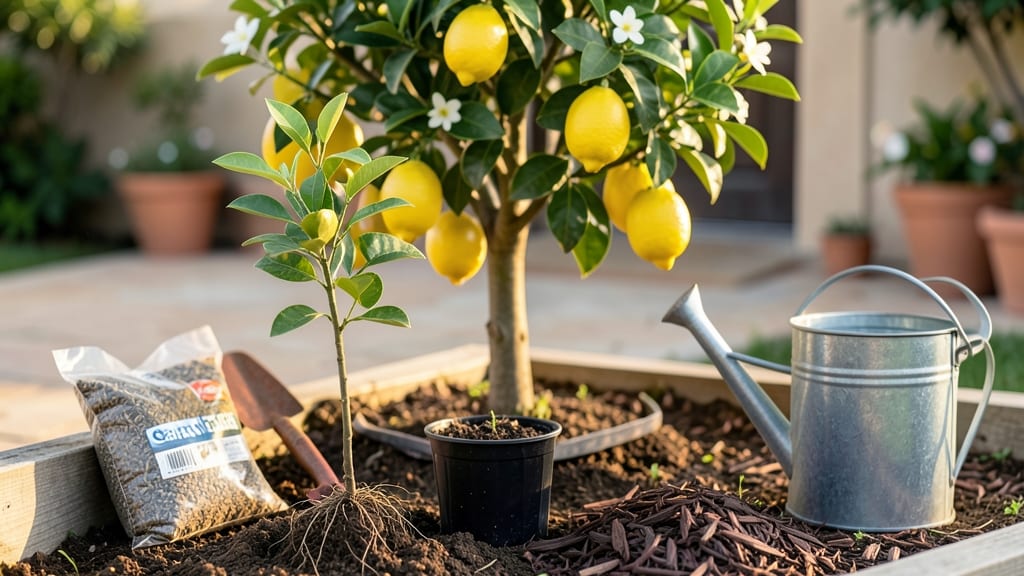
Planting citrus 🍊 in Arizona isn’t just about grabbing a tree and sticking it in the ground—timing it right can mean the difference between a thriving orchard and a sad, sun-scorched sapling.
The key is avoiding Arizona’s brutal summer heat while capitalizing on the mild winter months when temperatures are just right for root establishment.
Most of Arizona falls in USDA zones 9b-11, where frost is rare but heat is relentless.
That means your best shot at success comes between November and March, when cooler temps and shorter days give young citrus trees the breathing room they need to take root before the sun cranks up again.
But here’s the catch: even within Arizona, microclimates vary wildly. Low desert areas like Phoenix and Tucson can handle late winter plantings, while higher elevations might need to start earlier.
I’ll break down exactly when to plant based on your specific location and the citrus varieties that do best in your corner of the state.
Ready to grow your own homegrown lemons and oranges? Let’s dive into the perfect planting windows, soil prep secrets, and shade strategies that’ll set your citrus up for a lifetime of fruit—without the guesswork.
Arizona’s citrus planting calendar: frost-free Zones and heat tolerance timelines
Arizona’s USDA Hardiness Zones 7b-11 create a paradox for citrus growers: year-round frost-free conditions in the low desert contrast sharply with occasional frost risks in higher elevations like Flagstaff. While Phoenix and Tucson enjoy 365 frost-free days, areas above 5,000 feet may experience light freezes in winter.
This means your planting window depends entirely on your local microclimate.
For low desert regions (Zones 9b-11), the ideal planting window spans November through March—cooler months that avoid the 100°F+ summer heat that stresses young citrus roots.
In high desert areas (Zones 7b-8a), plant between March and May to outpace spring frosts, which can still dip below 28°F even in April.
Citrus trees establish best when soil temperatures stay between 60°F and 85°F. In Arizona, this means fall and winter planting aligns perfectly with these conditions. Summer planting is only viable in container-grown trees with drip irrigation, but even then, success rates drop dramatically.
Here’s how Arizona’s microclimates break down for citrus planting:
| Region | USDA Zone | Best Planting Window | Key Considerations |
|---|---|---|---|
| Phoenix/Tucson | 10a-11 | November–March | Avoid summer heat; use windbreaks for young trees. |
| Yuma | 10b-11 | November–February | Coastal influence; sandy soil needs compost. |
| Flagstaff | 7b-8a | March–May | Frost risk until May; container planting recommended. |
| Sedona | 8a | April–June | Microclimates vary; test soil temp before planting. |
If you’re in Zone 10b or higher, November is the sweet spot—soil is cool, and the monsoon season’s residual moisture helps roots establish. For Zone 9a or cooler, wait until February to avoid late-winter frosts, which can kill young trees overnight.
Pro tip: Meyer lemons and Improved Meyer lemons are the most frost-tolerant varieties in Arizona, surviving brief dips to 25°F. If you’re in a high-desert area, these are your best bets for fall planting.
For tropical varieties like Valencia oranges, stick to containers or southern exposures to protect against cold snaps.
One critical mistake Arizona gardeners make? Planting citrus in summer. The 110°F+ soil temps in July and August can cook roots before they even establish. Even container-grown trees struggle unless you provide shade cloth and drip irrigation.
For container planting, you can push the window slightly later—April in low deserts—but always acclimate trees gradually to full sun. Harden off container-grown citrus by moving them outdoors for 2 hours daily starting 2 weeks before planting.
🌱
How to adjust planting times for Arizona’s extreme heat and microclimates
Arizona’s microclimates create dramatic differences in planting success—what works in Phoenix’s low desert (Zone 10) may fail in Flagstaff’s high desert (Zone 7). Urban heat islands in Tucson can bake young citrus roots, while coastal areas near Yuma experience milder summers.
Adjust your planting timeline based on these local conditions to avoid transplant shock.
For urban heat islands (e.g., Phoenix, Tucson), plant in late fall (November-December) when soil temps drop below 85°F. Young trees need 3-4 months to establish roots before summer’s 110°F+ soil temps stress them.
In high-desert areas (e.g., Prescott, Sedona), aim for early spring (March-April) to sidestep late-winter frosts and summer drought.
Coastal regions (e.g., Yuma, Tucson outskirts) have milder summers, allowing spring planting (March-April) with drip irrigation to prevent root rot. Avoid planting in summer months—even drought-tolerant citrus varieties like Meyer lemons struggle with transplant shock when soil temps exceed 90°F.
- Urban Heat Islands (Phoenix/Tucson)
- High Desert (Flagstaff/Prescott)
- Coastal Areas (Yuma)
- Container Planting (Anywhere)
Soil preparation is critical—amend clay-heavy soils with compost and sand to improve drainage. In low-desert areas, mulch with 3-4 inches of wood chips to retain moisture and regulate soil temps.
For container-grown citrus, use a fast-draining potting mix with perlite and avoid planting until soil temps stay below 80°F.
Adjust your watering schedule based on microclimate: deep water 2-3 times per week in summer for low-desert trees, but reduce to weekly in high-desert areas. Monitor leaf curl or yellowing—signs of heat stress—and provide afternoon shade for young trees until they acclimate.
Pro tip: Acclimate potted citrus for 1-2 weeks before planting by placing them in partial shade outdoors during the day and bringing them in at night. This hardens off roots and reduces shock when transplanted into Arizona’s intense sun.