
Trees
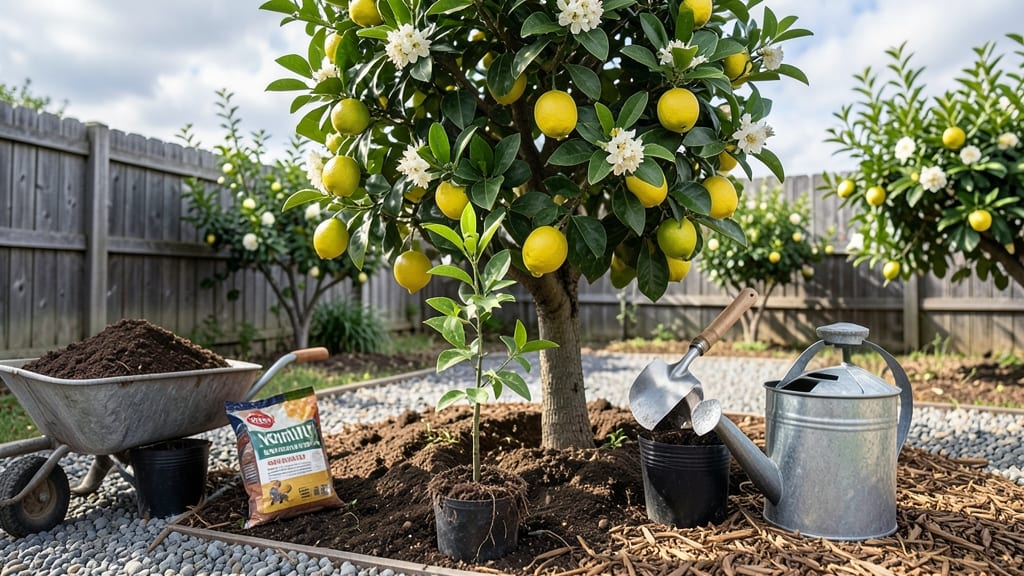
Planting a 🍊 citrus tree in Arizona isn’t just about digging a hole—it’s about timing your move to dodge the state’s sneaky freezes and scorching summers.
The best window to plant your citrus tree in Arizona opens in November and stretches through March, when cooler temps and moist soil give young roots the perfect start.
Why does this matter? Because Arizona’s microclimates—from Phoenix’s desert heat to Tucson’s cooler highlands—can turn a 5-minute planting job into a year-long gamble if you’re not careful. Skip these months, and your tree might face stunted growth or even death when winter freezes roll in unexpectedly.
I’ve seen firsthand how a well-timed planting can mean the difference between a thriving tree bearing fruit in 2 years and one that struggles for decades. Whether you’re dropping a Meyer lemon into the ground or keeping it in a container, these exact months are your ticket to success.
Ready to avoid the freeze risk? Let’s break down the science behind why November–March works best—and how to prep your soil for a citrus tree that’ll outlast Arizona’s wild swings.
Best months to plant citrus trees in Arizona (with freeze risk avoidance)
Arizona’s USDA Zones 9b–10a create a tricky balance for citrus growers—summer heat can scorch young roots, while winter freezes (even in Phoenix!) can kill tender citrus. The sweet spot for planting is during cooler months when soil temperatures are ideal and frost risk is low.
If you plant outside this window, your tree’s survival rate drops dramatically.
For Phoenix, Tucson, and Yuma, the best planting window spans from November through March. This aligns with soil temperatures between 60–75°F, which encourages root establishment without stress.
In higher elevations (Flagstaff, Prescott), shift planting to late spring (April–May) to avoid late freezes, but expect slower growth initially.
Here’s the critical rule: Never plant in summer (June–August). The 110°F+ soil can cook roots before they take hold, and evaporative stress from intense sun will dehydrate your young tree in days. Even container-grown citrus struggles in peak heat unless you’re using shade cloth and daily watering.
| Month | Soil Temp (°F) | Freeze Risk | Planting Notes |
|---|---|---|---|
| November | 65–75°F | Low (except high elevations) | Ideal for bare-root trees; mulch heavily. |
| December | 60–70°F | Moderate (watch forecasts) | Use frost cloth if temps dip below 30°F. |
| January | 55–65°F | Highest risk (20–30°F possible) | Plant container-grown trees; protect with windbreaks. |
| February | 60–70°F | Low to moderate | Best for high-elevation areas; monitor soil moisture. |
| March | 70–80°F | Very low | Last chance for bare-root; water deeply weekly. |
Arizona’s microclimates mean your planting success depends on your location. In Phoenix and Tucson, November–February is foolproof, but Yuma’s milder winters allow planting as late as March. For high-desert areas (Sedona, Prescott), delay until April to avoid 28°F freezes, which can kill citrus roots in days.
Protecting young trees from late-winter freezes is non-negotiable. Use frost cloth or burlap wraps for the first 2–3 years, and avoid planting near cold air sinks (low spots where frost pools).
If you’re in Zone 9b, a windbreak fence can raise overnight temps by 5–10°F, making the difference between life and death for your citrus.
Container planting is a game-changer in Arizona. Unlike in-ground trees, potted citrus can be moved to protected areas during cold snaps or rolled indoors if you have a garage. Choose 5-gallon containers minimum and use well-draining cactus/succulent mix to prevent root rot.
This method also lets you control soil temperature—critical when in-ground soil heats up in June.
One common mistake is planting too early (October) or too late (<
How to prepare your Arizona soil for citrus trees (before planting)
Arizona’s alkaline, clay-heavy soils are notorious for stunting citrus growth if not amended properly. Before planting, I always test my soil’s pH—citrus thrives in 6.0–7.0, but most Arizona soil runs 7.5–8.5.
If your test shows higher, you’ll need to lower pH with sulfur or peat moss to avoid nutrient lockout. Skip this step, and your tree will struggle to absorb iron and zinc, leading to yellow leaves even with plenty of water.
Start by digging a hole twice as wide as your tree’s root ball (or container size) and 12 inches deep. This gives roots room to spread without competing with surrounding soil.
If your yard has compacted clay, break up the bottom with a shovel or garden fork to improve drainage—citrus roots rot in waterlogged soil, and Arizona’s monsoon downpours can turn heavy clay into a swamp.
Here’s my go-to soil mix for Arizona citrus: 50% native soil, 30% compost, and 20% perlite or coarse sand. The compost adds organic matter to hold moisture, while perlite prevents compaction.
For container planting, use a blend of cactus/succulent mix (60%) and pearlite (40%) to mimic desert conditions. Avoid garden soil—it’s too dense and retains too much moisture.
- 🌱 Test soil pH (aim for 6.0–7.0). Use a home test kit or send a sample to your local Cooperative Extension.
- 🪴 Amend with compost (2–3 inches mixed into the hole). Avoid fresh manure—it can burn roots.
- 💧 Add perlite or sand (1 part) to improve drainage. Citrus hates soggy roots.
- ☀️ Plant in full sun (6+ hours daily). Arizona’s intense sunlight speeds up growth but requires consistent watering.
- 🌡️ Water deeply before planting. Dry soil makes root establishment 10x harder.
One critical mistake I’ve seen is over-fertilizing at planting. Citrus trees don’t need heavy feeding when first planted—they’ll burn if you add too much nitrogen-rich fertilizer. Instead, wait 3 months and then use a balanced 6-6-6 or 8-3-9 formula in early spring.
For the first year, focus on root growth, not fruit production.
If your yard has high salinity (common in desert soils), flush the amended hole with 2–3 gallons of water before planting. Salty soil can delay root growth by up to 6 weeks.
After planting, mulch with 2–3 inches of wood chips to retain moisture and regulate soil temperature. Keep the mulch 6 inches away from the trunk to prevent rot.
For container-grown citrus, choose pots with drainage holes and use a mix that’s 30% sandier than garden soil. In Arizona’s heat, containers dry out 3x faster than in-ground plantings.
I water mine every 5–7 days in summer and every 10–14 days in cooler months. Move containers to shadier spots during 100°F+ days to prevent leaf scorch.