
Container Gardens
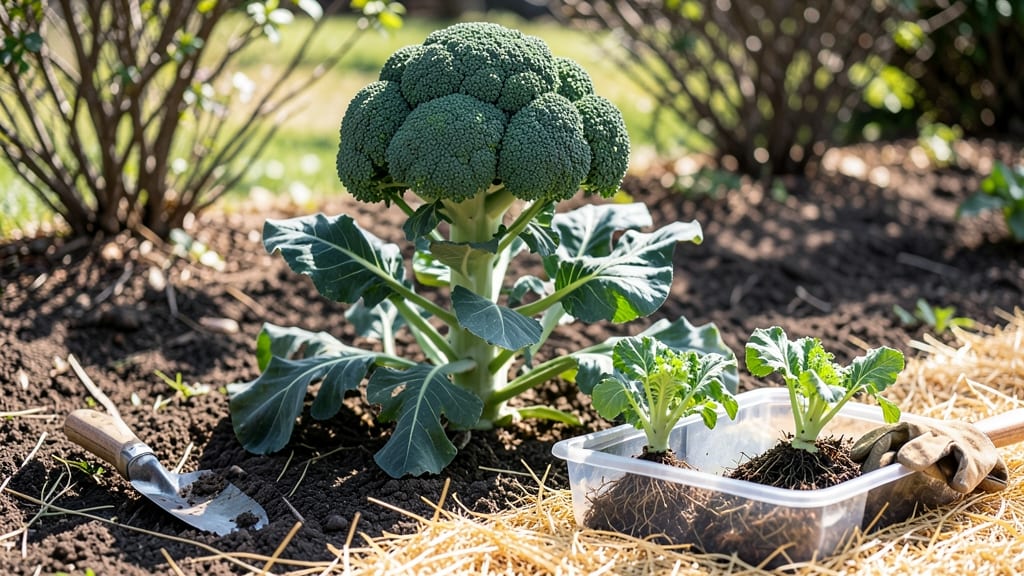
Planting a fall garden in North Texas can feel like walking a tightrope—too early, and your greens bolt in the heat; too late, and frost steals your harvest before it even starts.
The key is knowing exactly when to put seeds in the ground for reliable results in this tricky climate.
I’ve learned the hard way that timing isn’t just about months—it’s about soil temperature, last-frost dates, and even which crops play well together. Whether you’re growing leafy greens or root vegetables, getting this right means the difference between a bumper crop and a sad, wilted disappointment.
Let me break down the best planting windows for your North Texas zone so you can enjoy fresh harvests all season long.
From late summer’s lingering heat to early fall’s crisp mornings, North Texas gardens demand precision. You’ll discover which crops thrive when planted in August, which need to wait until September, and how to stretch your growing season with simple tricks.
No more guessing—just proven strategies for a successful fall garden that outlasts the competition.
Ready to turn your backyard into a productive oasis? I’ll walk you through the exact steps, from soil prep to harvest timing, so you can enjoy homegrown goodness without the stress. Let’s get those seeds in the ground at the perfect moment!
Best planting months for North Texas fall vegetables by hardiness Zone
North Texas spans USDA Hardiness Zones 7b through 8a, where the first frost typically arrives between mid-October and early November. But don’t let that scare you—cool-season crops thrive here when planted at the right time.
The key is understanding your last safe planting dates for each crop type, which vary based on whether you’re starting from seed or transplanting seedlings.
I’ve planted fall gardens in both Zone 7b (Dallas/Fort Worth) and Zone 8a (East Texas), and the difference in timing can mean the difference between a bountiful harvest and a frost-bitten disappointment.
For example, leafy greens like spinach and lettuce can handle light frosts, while root crops like carrots need to mature before temperatures drop below 30°F.
Here’s your planting timeline broken down by crop type, with specific start dates for both direct sowing and transplanting. These dates assume average frost dates, but I’ll show you how to adjust if your fall arrives early or late.
| Crop Type | Direct Sow Start | Transplant Start | Last Safe Date | Notes |
|---|---|---|---|---|
| Leafy Greens (Lettuce, Spinach, Kale) | Mid-August to early September | Late August to mid-September | Late October (Zone 7b) / Early November (Zone 8a) | Can tolerate light frost; succession plant every 2 weeks. |
| Root Vegetables (Carrots, Radishes, Beets) | Late August to early October | N/A (Direct sow only) | Mid-October (Zone 7b) / Late October (Zone 8a) | Soil must be warm for germination; avoid planting when soil temps drop below 60°F. |
| Brassicas (Broccoli, Cabbage, Cauliflower) | Late August to early September | Late July to mid-August (Start indoors) | Early October (Zone 7b) / Mid-October (Zone 8a) | Slow to mature; start seeds indoors 6-8 weeks before transplanting. |
| Peas & Green Beans | Mid-September to early October | Late August to mid-September | Late October (Zone 7b) / Early November (Zone 8a) | Cool soil speeds germination; use row covers for early starts. |
| Herbs (Cilantro, Parsley, Dill) | Late August to early September | Late August to mid-September | Early November (Both zones) | Many herbs bolt in heat; fall planting avoids this issue. |
| Flowers (Pansies, Snapdragons, Calendula) | Late August to early October | Late August to mid-September | Early November (Both zones) | Add color and pollinators; many tolerate light frost. |
Pro tip: Use a soil thermometer to confirm soil temperatures are below 80°F before planting cool-season crops. I’ve had seedlings fail when planted too early because the soil was still too warm, even if air temperatures felt cool. Aim for 60-70°F soil temps for most fall crops.
For transplants, like broccoli or cabbage seedlings, I recommend buying from local nurseries in early August so you can harden them off and plant by mid-August.
This gives them enough time to establish roots before cooler weather sets in. If you’re starting from seed, direct sow in late August for faster germination.
Remember, these dates are guidelines. If your fall arrives early (like in 2022, when some areas saw frost by October 10), adjust by planting 2-3 weeks earlier. Conversely, if summer lingers (like 2023’s heatwave), wait until early September to avoid heat stress.
One of my biggest mistakes was planting spinach in early August—it bolted within weeks because the soil was still too warm. Now, I wait until mid-August and use shade cloth for the first week to help seedlings establish. That small adjustment made all the difference!
How to adjust planting for North Texas’ unpredictable fall weather patterns
North Texas’ fall weather is famously unpredictable—one day you’re battling 90°F heatwaves, and the next, a 28°F frost rolls in overnight. I’ve lost entire plantings to these whiplash shifts, but I’ve also learned how to adapt.
The key is flexibility: knowing when to push your planting dates, when to delay, and how to protect your crops from sudden temperature swings.
First, track your local frost dates. While the average first frost in North Texas falls between mid-October and early November, extremes can push this by 2-3 weeks either way. Check the National Weather Service or your local cooperative extension service for updates.
In 2021, parts of Dallas saw frost by October 15, while 2020 didn’t freeze until November 10. Planning for these variations is non-negotiable.
Here’s how I adjust my planting strategy based on weather patterns:
For extended heat waves (like the September 2023 heat dome), delay planting leafy greens and herbs until soil temperatures drop below 80°F. I’ve had lettuce seedlings wilt within days when planted in 85°F soil, even if air temps were mild.
A soil thermometer is your best friend here—plant only when temps are between 60-70°F.
Another trick I swear by is succession planting. Instead of planting all your kale or radishes at once, stagger seeds every 2 weeks from mid-August to early October. This ensures a continuous harvest and reduces the risk of losing everything to a single frost event.
For example, I plant radishes every 10 days—they mature in 25 days, so I always have fresh ones ready even if a late frost hits.
Don’t forget row covers or low tunnels to extend your season. These simple tools can add 4-6°F of protection, allowing you to plant 2-3 weeks earlier or harvest 2 weeks later than usual.
I use floating row covers over my spinach and lettuce beds in October—they’ve saved my harvests more times than I can count.
Finally, keep an eye on moisture levels. Fall in North Texas can bring unusually dry spells, especially in West Texas. Mulch your beds with straw or shredded leaves to retain moisture, and water deeply early in the morning to prevent fungal diseases.
I’ve seen downy mildew ruin entire kale plantings because of overnight watering—always water before 10 AM to give foliage time to dry.