
Trees
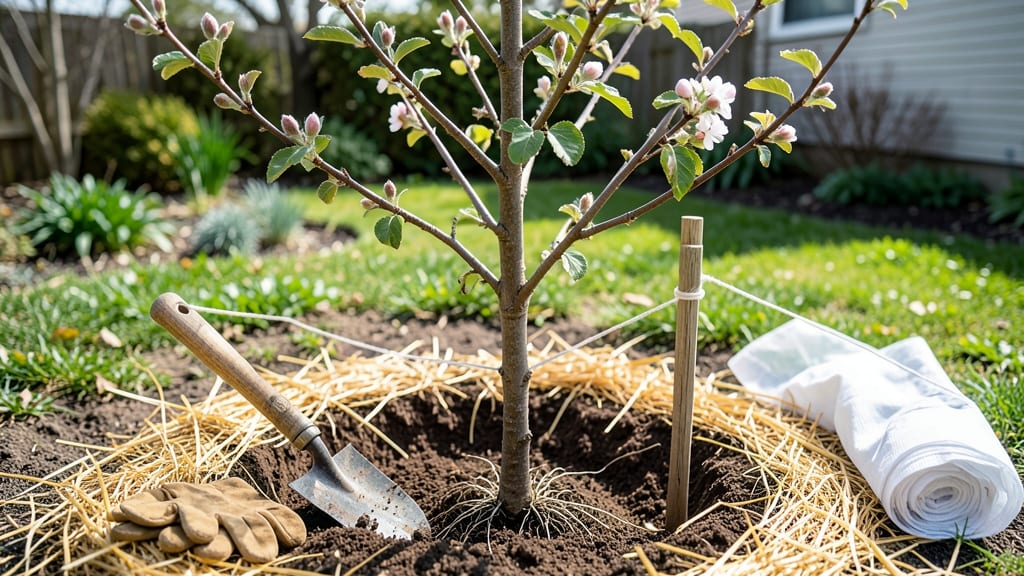
Planting your 🍎 apple tree at the wrong time in Iowa’s Zone 5a-6b climate can mean the difference between a thriving orchard and years of frustration.
The key window—early spring or fall—gives roots the perfect conditions to establish before extreme temperatures hit, but missing these deadlines risks stunted growth or even tree death.
I’ve seen firsthand how Iowa’s unpredictable frost dates (around April 15 in most areas) can throw off even the most careful gardeners. Whether you’re planting bare-root saplings or container-grown trees, timing matters more than you might think. Let’s break down exactly when to plant for maximum success in your backyard.
You’ll discover how soil temperatures, local microclimates, and even tree variety play a role in your planting schedule. I’ll share the most critical factors to watch for—like avoiding late frosts and choosing disease-resistant cultivars—that make all the difference in Iowa’s challenging growing season.
Ready to get started? By the end, you’ll know exactly when to dig in for healthy roots, strong branches, and—eventually—those sweet, homegrown apples you’ve been dreaming of. Let’s make sure your 🍎 tree takes root the right way.
Iowa’s best planting window for apple trees: month-by-month USDA Zone 5 guide
Iowa’s USDA Zone 5 climate means timing is critical for apple tree success—plant too early, and roots may freeze; too late, and growth stalls before winter. The ideal window spans early spring (March-April) and early fall (September-October), when soil temperatures hover between 40°F and 60°F for optimal root establishment.
For bare-root trees, prioritize planting before buds swell in spring or after leaves drop in fall. Container-grown trees offer flexibility but require soil prep to avoid transplant shock.
Iowa’s last frost dates (April 10–20) and first frost dates (October 10–20) bookend the safe window—miss these, and your tree’s survival risks rise sharply.
Here’s your month-by-month breakdown of when to plant apple trees in Iowa, tailored to soil conditions, weather patterns, and tree maturity:
| Month | Soil Temp | Best Planting Time | Notes |
|---|---|---|---|
| March | 40–50°F | Early March (bare-root) | Before buds swell; avoid frost-prone weeks. |
| April | 50–60°F | Mid-April (after last frost) | Best for container trees; water deeply weekly. |
| September | 50–60°F | Early September | After leaves drop; roots establish before winter. |
| October | 40–50°F | Early October | Last chance; avoid late October (frost risk). |
Iowa’s microclimates can shift deadlines by 1–2 weeks. For example, southern Iowa (Zone 6b) may safely plant 2 weeks later than northern Iowa (Zone 5a). Use your local extension office’s frost data to fine-tune timing—delay planting if soil stays cold beyond the table’s ranges.
For container-grown trees, extend the window to May or August, but amend soil with compost to compensate for slower root adaptation. Dwarf varieties (e.g., ‘Liberty’ or ‘Enterprise’) thrive in these conditions but need staking to support early growth.
Pro tip: Mulch heavily (3–4 inches) after planting to insulate roots during Iowa’s temperature swings. Use straw or wood chips, keeping mulch 6 inches from the trunk to prevent rot.
Missed the window? Don’t panic—Iowa’s short growing season means even a late May planting can work if you water deeply and protect from late frosts with frost cloth. Just expect slower first-year growth.
🌱
5 Critical factors that determine your apple tree planting deadline in Iowa
Iowa’s unpredictable frost dates and variable soil conditions mean your apple tree’s planting deadline isn’t set in stone. Five key factors will shift your ideal window by weeks—sometimes even months.
Understanding these will help you avoid common mistakes like planting too late for root establishment or too early for frost damage.
First, soil temperature is the #1 determinant. Apple roots need soil between 40°F and 60°F to establish. In northern Iowa (Zone 5a), this window often closes by mid-April or opens again only in early September.
Southern Iowa (Zone 6b) gets an extra 2–3 weeks on either end—but don’t assume you’re safe just because you’re further south.
- 🌡️ Soil Temperature: Roots need 40–60°F soil. Test with a soil thermometer—cold soil delays root growth.
- ❄️ Frost Dates: Plant 2–3 weeks before your area’s last frost (April 10–20 in Iowa) or 6–8 weeks before first frost (Oct 10–20).
- 🌳 Tree Variety: Dwarf varieties (e.g., ‘Liberty’) establish faster than standard trees. Bare-root trees need earlier planting than container-grown.
- 📦 Containerization: Container-grown trees can plant 1 month later than bare-root, but need soil amendments to compensate.
- 🌧️ Weather Patterns: Wet springs delay planting; dry falls extend the window. Check 7-day forecasts before digging.
Your tree variety also plays a huge role. Dwarf varieties like ‘Enterprise’ or ‘Zestar!’ establish roots 30–50% faster than standard trees, giving you more flexibility. But if you’re planting a standard-size apple tree, aim for the earliest possible window—their roots take longer to adapt.
Pro tip: Check the label for cold hardiness ratings; some varieties (like ‘Honeycrisp’) need Zone 5a protection in Iowa’s harsh winters.
Container-grown trees offer flexibility but require extra prep. Their roots are already established in pots, so you can plant 1–2 months later than bare-root trees—but you’ll need to amend the soil with compost or aged manure to avoid transplant shock.
I’ve seen gardeners in Des Moines plant container trees as late as mid-May with success, but only because they watered deeply and mulched heavily.
Finally, local weather patterns can shift your deadline by weeks. A wet spring (like Iowa’s 2021 season) delays planting until soil dries enough to work. Conversely, a dry fall extends the window into November—but only if soil temps stay above 40°F.
Always check long-range forecasts and local extension office alerts before committing to a date.
Miss any of these factors, and your tree’s survival rate drops sharply. For example, planting a bare-root tree in late April risks root desiccation if a heatwave hits before roots establish.
Or planting in late October risks frost damage before roots harden. Adjust your timeline based on these five variables, and your apple tree will thank you with stronger growth and better fruit production.
🌿