
Plants
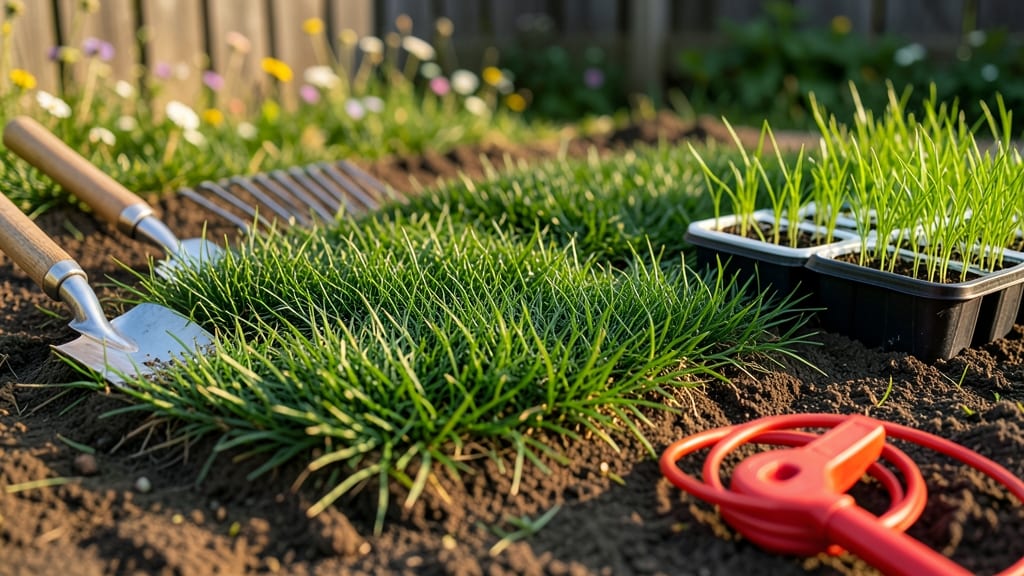
Planting Bermuda grass in Kansas isn't just about choosing the right month—it's about outsmarting the unpredictable weather that can make or break your lawn's success. With the right timing, you'll give your 🌱 Bermuda grass the best shot at establishing strong roots before Kansas' scorching summers or early frosts strike.
Most gardeners in USDA Zones 5b-7a get it wrong by planting too early when soil temps are still cool, or too late when summer heat is already setting in.
The key is waiting until the ground reaches at least 65°F, which typically happens between late April and early June for spring planting—or late August to early September for a fall start.
Why does timing matter so much? Because Bermuda grass thrives on heat and needs consistent warmth to germinate properly. Plant too soon, and you risk slow growth or even failure.
But get it right, and you'll see fast establishment with thick, lush coverage that can handle Kansas' dry spells and heavy foot traffic.
In this guide, I'll walk you through the exact planting windows, soil prep tips, and care routines that work best for Kansas lawns. Whether you're dealing with clay-heavy soil or drought-prone areas, these strategies will help you grow a Bermuda grass lawn that stays green and resilient all season long.
Optimal planting windows for Bermuda grass in Kansas by month
Bermuda grass thrives in Kansas’ hot summers and drought conditions, but timing your planting window is everything. Plant too early, and cold soil temperatures stall germination. Too late, and your lawn won’t establish before winter.
I’ve broken down the best months for USDA Zones 6-7, including microclimate differences between eastern and western Kansas.
Kansas’ last frost date typically falls around April 15, but soil warmth is the real trigger. Bermuda grass needs soil temps of 65°F+ to germinate. In Zone 6 (eastern Kansas), this usually happens by late April.
In Zone 7 (western Kansas), soil warms faster, often by mid-April. Use a soil thermometer to confirm—don’t guess!
Spring planting is your primary window for Bermuda grass in Kansas. Aim for late April to early June. This gives seeds 8-10 weeks of growing season before summer’s intense heat and drought stress set in.
If you plant in May or June, prioritize irrigated areas and expect slower establishment.
Fall planting is a secondary option for Kansas gardeners. Late August to early September works best because Bermuda grass needs 60 days of warm soil before winter dormancy.
In Zone 6, this window closes by mid-September due to earlier frosts. In Zone 7, you might squeeze in planting until early October.
Here’s the critical rule: Never plant Bermuda grass in March or October. March soils are still too cold, and October’s unpredictable freezes can kill young seedlings. Stick to the two proven windows—spring or fall—and you’ll set your lawn up for success.
| Planting Window | Best Months | Soil Temp Requirement | Kansas Zone 6 Notes | Kansas Zone 7 Notes |
|---|---|---|---|---|
| Spring | Late April–Early June | 65°F+ | Soil warms by late April; prioritize irrigation in May | Soil ready by mid-April; faster germination |
| Fall | Late August–Early September | 60°F+ | Close window by mid-September; risk of early frost | Can plant until early October; longer growing window |
| Avoid | March, October | N/A | Cold soils stall germination; frost risk | Same risks; unpredictable fall weather |
Western Kansas (Zone 7) enjoys earlier soil warming and longer fall windows than eastern Kansas (Zone 6). If you’re in Wichita or Garden City, you can push spring planting to early June and fall planting to early October.
Meanwhile, gardeners in Topeka or Kansas City should stick to the earlier windows to avoid fall frost damage.
Pro tip: Check your local microclimate. Areas near rivers or lakes (like Lawrence) may have cooler springs and warmer falls than inland regions. Use a neighbor’s lawn as a reference—if their Bermuda grass is green by mid-April, it’s likely safe to plant.
Once you’ve nailed the planting window, the next step is soil prep. Kansas soils often need amendments to improve drainage and fertility. I’ll cover that in the next section
How to prepare Kansas soil for Bermuda grass planting
Preparing your Kansas soil for Bermuda grass isn’t just about digging a hole—it’s about creating the perfect foundation for fast germination and thick growth. Most Kansas lawns struggle with clay-heavy soils or poor drainage, which can choke out young Bermuda grass roots.
The key is testing your soil first, then making smart amendments to match Bermuda grass’s ideal conditions: well-draining, slightly acidic to neutral pH (6.0-7.0), and rich in organic matter.
Start with a soil test kit (available at local garden centers) to check your pH and nutrient levels. Kansas soils often test alkaline (pH 7.5+), which can lock out essential nutrients like phosphorus and iron.
If your pH is too high, mix in sulfur or peat moss to lower it gradually. For sandy soils (common in western Kansas), add compost or aged manure to improve water retention without suffocating roots.
Before planting, till the top 6 inches of soil to loosen compaction and remove weeds. Bermuda grass spreads aggressively, so eliminate competition early. If your yard has thatch buildup (a common issue in Kansas lawns), dethatch using a rake or vertical mower.
Aim for a thatch layer no thicker than ½ inch—any more, and it’ll block water and air from reaching the roots.
Fertilize your soil 4-6 weeks before planting with a balanced starter fertilizer (10-10-10 ratio). Focus on phosphorus to encourage root development, but avoid high-nitrogen fertilizers early—they’ll promote leafy growth at the expense of roots.
For Kansas’ drought-prone areas, consider adding gypsum to improve soil structure without altering pH. Spread fertilizer evenly, then water deeply to help nutrients penetrate the soil.
Level your planting area with a rake, removing any rocks or debris larger than ½ inch. Bermuda grass germinates best in firm, smooth soil with no air pockets.
If you’re seeding, use a drop spreader to distribute seeds evenly at a rate of 10-15 lbs per 1,000 sq ft. For sod, lay pieces in a staggered pattern, ensuring edges overlap by 2-3 inches to prevent gaps.
After planting, mulch with straw (not wood chips) to retain moisture and protect seeds from Kansas’ unpredictable wind and hail. Keep the mulch layer thin—just ¼ inch—to avoid smothering young sprouts.
Water lightly every 2-3 days until germination (usually 7-14 days in warm soil). Once sprouts reach 2 inches tall, switch to deep, infrequent watering to encourage deep root growth.
With the right soil prep, your Bermuda grass will establish 3x faster in Kansas’ climate. The secret? Loose, well-draining soil with the right pH and nutrients—no shortcuts. Skip this step, and you’ll spend the summer fighting brown patches and slow growth. 🌱