
Plants
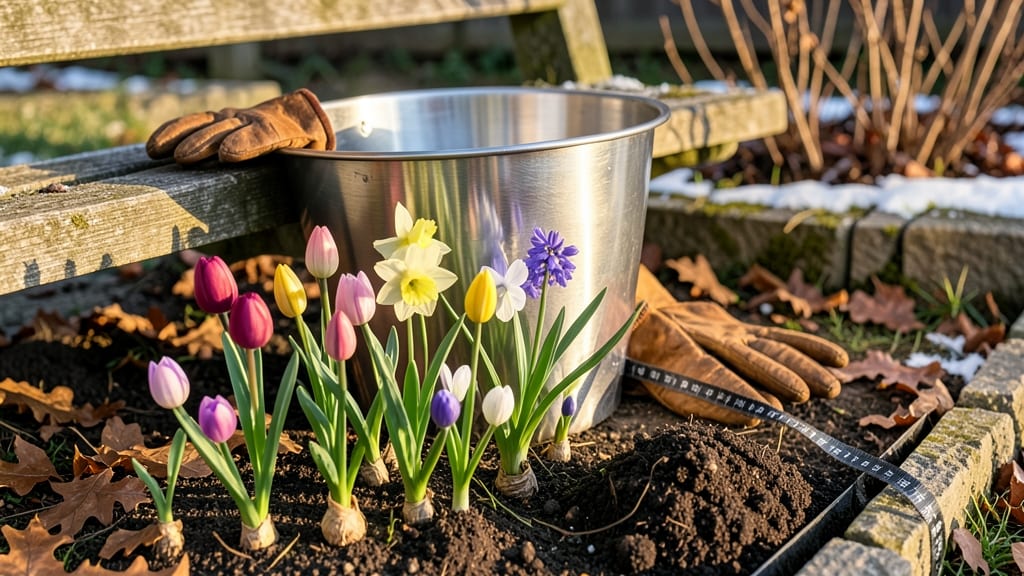
Planting bulbs in Zone 4 at the wrong time can mean the difference between a showstopping spring display 🌷 and a pile of frozen disappointment. The key isn't just when—it's understanding how soil temperatures, frost dates, and bulb types interact to give you reliable blooms year after year.
Fall planting is your golden window in Zone 4, but timing matters more than you think. Too early, and your bulbs might rot in warm soil; too late, and frost will damage them before they establish roots.
I'll break down the exact 6-week window before your first frost that works for most classic bulbs like tulips and daffodils—and when you might need to adjust for your specific microclimate.
What about spring planting? Some bulbs actually prefer it, but it's not a one-size-fits-all solution. We'll cover which varieties thrive with this approach and how to prep your soil to give them the best shot at success, even in Zone 4's unpredictable climate.
Ready to stop guessing and start planting with confidence? Let's dive into the science-backed timing that'll have your garden bursting with color every season—no more wasted bulbs or missed opportunities.
Optimal fall planting timeline for Zone 4 bulbs
In Zone 4, fall planting is the gold standard for bulbs like tulips, daffodils, and alliums. The key is timing—plant too early, and bulbs rot; too late, and frost stunts growth.
Aim for 4-6 weeks before ground freezes, typically between mid-September and November, depending on your exact microclimate.
Northern Zone 4 (e.g., Minnesota) may need earlier planting by late August, while southern areas (e.g., upstate New York) can extend to mid-November. Always check your last frost date—Zone 4’s average is September 15, but local variations matter.
Soil temperature is your best guide: bulbs thrive when soil cools to 60°F (15°C). Use a soil thermometer to confirm—this usually happens in late September for most of Zone 4. If temps drop below 50°F (10°C), bulbs risk frost damage before roots establish.
Here’s how to adjust for your region:
- Northern Zone 4 (e.g., Duluth, MN): Plant by September 15—earlier for crocuses and snowdrops.
- Central Zone 4 (e.g., Madison, WI): September 20–October 15 works for most bulbs.
- Southern Zone 4 (e.g., Syracuse, NY): October 1–November 10 extends the window.
| Month | Soil Temp Threshold | Best Bulbs to Plant | Prep Steps |
|---|---|---|---|
| Late August | 65–70°F (18–21°C) | Crocuses, Snowdrops | Loosen soil, add compost |
| September | 60–65°F (15–18°C) | Tulips, Daffodils | Plant 6" deep, mulch lightly |
| October | 50–55°F (10–13°C) | Alliums, Hyacinths | Water deeply, add straw mulch |
| November | 40–45°F (4–7°C) | Late Bloomers (e.g., Fritillaries) | Protect with thick mulch |
🌱 Pro Tip: Use a soil thermometer to avoid guesswork—bulbs need 4–6 weeks to root before frost.
Preparing your soil is just as critical as timing. Amend with compost or aged manure to improve drainage—waterlogged soil kills bulbs faster than frost. Work in bone meal (5–10 lbs per 100 sq ft) for phosphorus, which bulbs crave for root development.
Mulching is non-negotiable in Zone 4. Apply 2–3 inches of straw or shredded leaves after planting to insulate bulbs from temperature swings. Avoid thick mulch (over 4 inches), which can suffocate bulbs or attract rodents seeking winter shelter.
Don’t forget watering! Bulbs need consistent moisture to root, but soggy soil spells disaster. Water deeply once a week after planting until the ground freezes. In drought-prone areas, like western Zone 4, add hydration crystals to the planting hole for extra insurance.
For container gardening, use well-draining pots and plant bulbs by mid-October at the latest. Move pots to a garage or cold frame if freezing temps loom—bulbs in containers dry out faster than in-ground.
Finally, mark your bulb beds with flags or stakes. Zone 4’s snow cover
Optimal fall planting timeline for Zone 4 bulbs
Fall is the golden window for planting bulbs in Zone 4, where cool soil and chilly air trigger root growth before dormancy. Aim to plant 6 weeks before your first frost date—typically between mid-September and mid-November. This timing lets bulbs establish roots while avoiding winter freeze.
Your soil temperature is the best indicator: bulbs should go in when temperatures drop to below 60°F (15°C). Use a soil thermometer to check—this usually aligns with late September in northern Zone 4 (e.g., Minnesota) and early October in southern areas (e.g., upstate New York).
Regional adjustments matter! In northern Zone 4, plant earlier (late August–early September) to beat the ground freeze. In southern Zone 4, extend planting to mid-November if your soil stays workable. Always confirm your last frost date for precision.
| Month | Soil Temp | Action | Notes |
|---|---|---|---|
| Late August | 65°F+ | Start early in northern Zone 4 | For tender bulbs (e.g., dahlias) |
| September | 50–60°F | Ideal window for most bulbs | Plant tulips, daffodils, crocuses |
| October | 40–50°F | Last chance for hardy bulbs | Add mulch (3–4 inches) |
| November | <32°F | Avoid planting | Risk of frost damage to roots |
Prep your soil by amending with compost (2–3 inches mixed in) and ensure well-draining soil—bulbs rot in soggy conditions. Plant 6 inches deep (or 3x the bulb’s height) and 6 inches apart for small bulbs (e.g., crocuses), 12 inches apart for larger ones (e.g., tulips).
After planting, water deeply to settle soil and encourage root growth. Top with 2–3 inches of mulch (straw or shredded leaves) to insulate bulbs from freeze-thaw cycles. This protects them until spring while keeping soil temperatures stable.
Pro tip: Mark your bulb beds with flags or a garden map—spring blooms will emerge before you remember where they are! Spring-cleaning can accidentally dig up dormant bulbs, so plan your garden layout carefully. 🌷