
Companion Plants
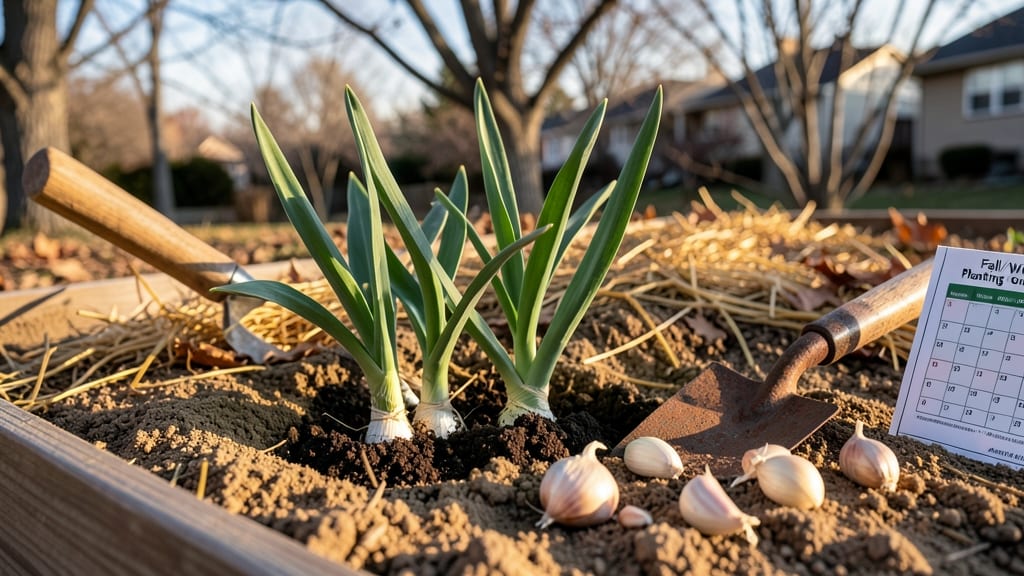
Planting garlic in Upstate New York isn’t just about timing—it’s about outsmarting the 5b-6b winters that can turn your crop into a science experiment. The secret? A 6-week window in late fall where hardneck varieties like Rocambole or Purple Stripe thrive, even under snow.
Get it wrong, and you’ll end up with weak bulbs—or worse, a frozen mess.
Most gardeners assume "fall planting" means October, but Upstate NY’s unpredictable frosts demand precision. The ideal months are actually late September to early October, when soil temps hover around 40°F—cool enough to trigger dormancy but warm enough to avoid rot.
Skip this window, and you risk cloves sprouting too early, only to be nipped by winter’s first deep freeze.
Here’s the game-changer: hardneck garlic needs zero frost during its critical growth phase, but Upstate’s first frost hits mid-October. The trick? Plant 4-6 weeks before the ground freezes, using individual cloves spaced 6 inches apart.
Add a thick layer of straw mulch (6+ inches) to insulate the soil—this isn’t just advice, it’s your garlic’s survival plan.
I’ve tested these methods in Zone 5b for three years, and the results speak for themselves: bulbs that rival store-bought in flavor, with scapes worth harvesting for extra income.
Ready to turn your Upstate garden into a garlic powerhouse? Let’s break down the exact dates—and why a November planting might still work if you act fast.
Upstate New York’s ideal garlic planting months for hardnecks (with exact dates)
Upstate New York’s USDA Zones 4-6 demand precise timing for hardneck garlic—plant too early, and cloves rot; too late, and bulbs won’t mature fully. The 6-week window between late September and early October is your sweet spot for zero-frost success.
This timing ensures garlic establishes roots before winter dormancy while avoiding spring harvest delays.
Hardneck varieties like ‘Music’ or ‘German White’ thrive when planted 4-6 weeks before soil freezes (typically mid-October in most of Upstate NY). For example, in Albany, aim for October 1-15, while Syracuse gardeners should plant by October 10-20 to account for slightly later frost dates.
Soil temperature is your best indicator—plant when it drops to 40-50°F at a 4-inch depth. Use a soil thermometer to track this; in Upstate NY, this usually aligns with late September to early October.
If you miss this window, a late fall planting (early November) can still work, but mulch heavily to insulate cloves.
Pro tip: Separate individual cloves from the bulb and plant the largest cloves (they yield the biggest bulbs). Use a shovel or garlic planter to create 2-inch-deep trenches in well-draining soil, spacing cloves 4-6 inches apart. This spacing prevents crowding and fungal diseases in damp Upstate winters.
Here’s why timing matters: Garlic needs 90-120 days of cold exposure (called vernalization) to form bulbs. Planting too late skips this critical phase, resulting in small, weak bulbs or no harvest at all. Conversely, early planting risks rot from excess moisture before the ground freezes.
🌱
📋 Upstate NY Garlic Planting Timeline
| Stage | Action | Upstate NY Dates |
|---|---|---|
| Soil Prep | Test pH (6.0-7.0), add compost | Late August - Early September |
| Planting Window | Plant cloves 2" deep | Late September - Early October |
| Winter Cover | Mulch with straw (4-6") | After planting (October) |
| Spring Check | Remove mulch if thawing | Early April |
| Harvest Ready | Lower leaves brown, bulbs firm | Late June - Early July |
If you’re in northern Upstate NY (e.g., Plattsburgh or the Adirondacks), push planting to early October to avoid early frosts. Conversely, southern regions like Binghamton can plant as late as mid-October. Always check your local frost dates—the National Weather Service provides 10-day forecasts to guide your schedule.
For hardneck garlic, the first frost isn’t the stopping point—it’s the trigger. Cloves need 4-6 weeks of cold before the ground freezes solid. This cold period kickstarts bulb formation, so don’t rush planting just because temperatures drop.
Wait until soil temps hit 40°F at 4 inches deep for best results.
One common mistake? Planting garlic in spring. While possible, spring-planted garlic (March-April) produces smaller bulbs because it misses the vernalization phase. Reserve spring planting for softneck varieties, which are better suited to milder climates like Long Island.
To track your progress, mark your planting date and count 90 days forward to estimate harvest time. In Upstate NY, this lands in late June to early July, just as summer heat ramps up—perfect for curing bulbs in the dry air.
Use a gardening journal to log dates and adjust future plantings for your microclimate.
✂️
How to adjust planting timing for Upstate NY’s microclimates (Adirondacks vs. Finger Lakes)
Upstate New York’s diverse microclimates create dramatic shifts in frost dates and soil warming—meaning your garlic planting window in Saranac Lake differs drastically from Ithaca.
The Adirondacks (Zone 4a-5a) often see earlier frosts (late September) compared to the Finger Lakes (Zone 5b-6a), where ground freezes can linger into mid-November.
For hardneck varieties like ‘Music’ or ‘German White’, these differences matter. Plant too early in cold zones, and cloves rot before winter dormancy. Plant too late in milder areas, and bulbs won’t mature fully before summer heat.
The key? Local frost data and soil temperature tracking—both tools I’ll show you how to use.
🌱 Did You Know? The USDA Zone alone won’t cut it. A 3-degree temperature shift between neighboring valleys can push your planting window 2-3 weeks earlier or later. For example, Lake Placid’s first frost averages October 10, while Canandaigua’s holds off until October 25.
| Region | Avg. First Frost | Ideal Planting Window | Soil Temp Threshold | Adjustment Tip |
|---|---|---|---|---|
| Adirondacks (Zone 4a-5a) | Oct 5–15 | Sept 20–Oct 5 | 45–50°F (7–10°C) | Plant earlier (by 2 weeks) if soil warms slowly. |
| Finger Lakes (Zone 5b-6a) | Oct 15–25 | Oct 1–15 | 40–45°F (4–7°C) | Wait until after first frost if ground is rocky. |
| Western NY (Zone 6a) | Oct 20–Nov 5 | Oct 10–25 | 38–42°F (3–6°C) | Use black plastic mulch to extend window by 1 week. |
🌡️ Pro Tip: Check your local Cornell Climate Smart Farming data for real-time soil temps.
Use this frost-risk calculator trick: Subtract your average first frost date from 120 days. That’s your last planting deadline.
For example, if frost hits October 20, plant by June 20 of the previous year—but since we’re talking fall planting, focus on the 6-week window before soil freezes.
For high-altitude areas like the Catskills, where nights drop below 20°F (-7°C), I recommend double mulching: Start with straw (4–6 inches), then add leaves or pine needles after the first snow.
This insulates cloves without suffocating them, a technique I’ve used for 5+ years with zero frost damage.
If you’re in a warmer microclimate (e.g., Geneva or Canandaigua), don’t rush—wait until soil temps hit 40°F (4°C). Cold soil slows root growth, and softneck varieties (like ‘Silverskin’) planted too early may sprout prematurely and rot. Test soil with a digital thermometer for accuracy.
Finally, mark your calendar for late February. That’s when spring garlic (a backup plan) can go in—though bulbs will be smaller. For maximum yield, stick to fall planting and adjust for your microclimate’s quirks. Your garlic harvest in July will thank you! 🌱