
Plants
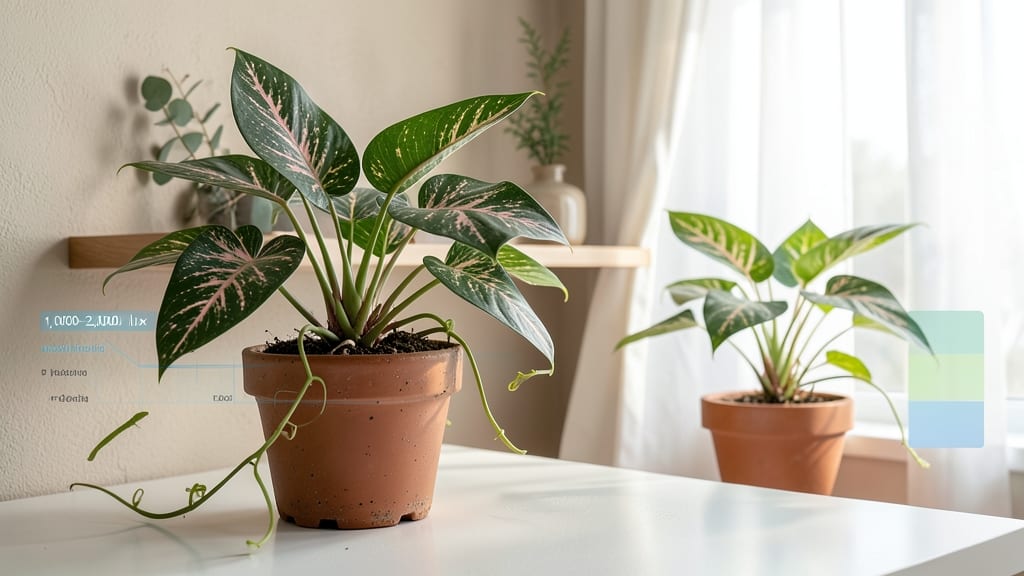
How much light does an arrowhead plant need? Bright indirect light is the secret weapon for keeping your Arrowhead Plant 🌿 thriving, but too much or too little can turn those gorgeous leaves into a sad, leggy mess. If you've ever watched your plant stretch toward the window or develop brown spots, you're not alone—most gardeners struggle to get the balance right.
This tropical beauty actually prefers the gentle glow of an east-facing window, where morning sun warms its leaves without scorching them. Too much direct sunlight? Watch for crispy edges and faded color. Not enough light?
Your plant will grow tall and weak, reaching desperately for more. The good news? With a few simple adjustments, you can create the perfect spot that keeps your Arrowhead Plant lush and happy all year.
I'll walk you through exactly how to spot the ideal lighting situation in your home, plus pro tips for fixing common mistakes. Whether you're dealing with a dim corner or harsh afternoon rays, these strategies will help you transform your plant's environment—and your green thumb confidence—overnight.
Ready to give your Arrowhead Plant the light it craves? Let's break down the science behind its lighting needs and how to apply it to your space, so you can enjoy vibrant foliage that lasts for seasons.

Ideal light requirements for arrowhead plants: bright indirect light explained
Arrowhead plants (Syngonium) thrive in bright indirect light, making them perfect for homes with natural light but no harsh afternoon sun. These plants naturally grow under forest canopies, so they adapt well to filtered sunlight—think of it like their ideal jungle habitat recreated indoors.
The key is finding that sweet spot where leaves stay vibrant but never crispy from too much sun.
Most arrowhead plants need 4 to 6 hours of bright indirect light daily. This means placing them near an east-facing window (gentle morning sun) or a north-facing window (soft all-day light).
South-facing windows can work too, but only if your plant sits at least 3 feet away to avoid direct rays. West-facing windows are usually too intense unless you use sheer curtains to diffuse the light.
If your arrowhead plant starts looking leggy (long stems with sparse leaves), it’s craving more light. On the flip side, yellowing or brown crispy edges mean it’s getting scorched by direct sun. The goal is to mimic the dappled sunlight they’d receive under trees in their native tropical environment.
Here’s how to visualize the perfect light setup for your arrowhead plant:
Pro tip: Rotate your arrowhead plant quarter-turns every 2-3 weeks to ensure even light exposure on all sides. This prevents one side from stretching toward the window while the other stays weak. Think of it like giving your plant a gentle sunbath—balanced and consistent!
In summer, when sunlight is most intense, move your arrowhead plant a few feet back from the window or use a light sheer curtain to filter the rays.
During winter, when natural light dims, supplement with a basic LED grow light (even a small 6-inch bulb works) to maintain those 4-6 hours of light your plant craves.
Watch for these tell-tale signs your arrowhead plant’s light needs aren’t being met: Yellow leaves often mean overwatering in low light, while brown patches scream sunburn. The secret to success? Observe and adjust—your plant will thank you with glossy, arrow-shaped leaves that stay vibrant all year.
For gardeners with limited natural light, don’t despair! Arrowhead plants are surprisingly adaptable. While they prefer bright indirect light, they can tolerate medium indirect light (like a well-lit office) for shorter periods. Just be prepared for slower growth and less dramatic foliage changes.
Remember, every home’s light varies—what’s "bright indirect" in one space might feel too dim in another. Test and adjust: Start with a spot you think is ideal, monitor your plant’s response for 2-3 weeks, and tweak as needed.
With the right light, your arrowhead plant will reward you with lush, deep green leaves and that coveted compact, bushy growth every plant parent dreams of. 🌿
How to adjust your home’s lighting for arrowhead plant success
If your arrowhead plant isn’t thriving in its current spot, don’t worry—most homes just need a few simple tweaks to create the perfect lighting environment. The key is understanding how to maximize natural light while protecting your plant from harsh conditions.
Start by evaluating your windows: East-facing windows provide the ideal gentle morning light, while north-facing windows offer consistent but softer illumination. South-facing windows can work if you position your plant 3-4 feet back, and west-facing windows require sheer curtains to diffuse the intense afternoon sun.
For rooms with limited window access, artificial lighting becomes your best friend. A basic LED grow light (like a 6-inch bulb) placed 6-8 inches above your plant can provide the 4-6 hours of light it needs daily.
These lights mimic natural sunlight and are energy-efficient—perfect for basements, offices, or winter months when daylight is scarce. Look for full-spectrum LEDs with a color temperature of around 5000-6500K to cover the blue and red light spectrums your arrowhead plant craves.
Here’s how to optimize your space for arrowhead plant success:
- 1 Window Placement: Place your arrowhead plant 1-3 feet from an east or north window. Avoid south or west windows unless you use sheer curtains to filter the light.
- 2 Rotate Regularly: Turn your plant quarter-turns every 2-3 weeks to ensure even growth. This prevents one side from stretching toward the light while the other stays weak.
- 3 Seasonal Adjustments: In summer, move your plant back from the window or use curtains to prevent sunburn. In winter, supplement with a grow light for 12-14 hours/day.
- 4 Reflective Surfaces: Place your plant near light-colored walls or mirrors to bounce extra light onto its leaves. This can make a big difference in dimmer rooms.
- 5 Monitor and Adjust: Watch for leggy growth (needs more light) or brown crispy edges (too much sun). Tweak the position weekly until you find the sweet spot.
If you’re working with artificial lighting only, position the grow light 6-8 inches above the plant and keep it on for 12-14 hours daily. Most arrowhead plants tolerate this setup well, but avoid placing the light too close—this can cause leaf burn.
For a budget-friendly option, a $20 LED desk lamp with adjustable brightness often works wonders. Just ensure it covers the blue and red light spectrums, which are critical for healthy growth.
Pro tip: Group your arrowhead plant with other low-to-medium light plants like pothos or snake plants. This creates a microclimate where light is shared more efficiently, benefiting all your greenery. Plus, it’s a great way to fill out a shelf or corner while keeping everyone happy.
Just avoid placing it near drafty windows or air conditioning vents, which can stress the plant even if the light is perfect.
Remember, arrowhead plants are forgiving—they can adapt to medium indirect light if needed, though their growth may slow. The goal is to provide consistent, gentle light, not perfection.
With these adjustments, your plant will reward you with vibrant, arrow-shaped leaves and a bushy, healthy appearance that’ll make your space feel alive. 🌿