
Plants
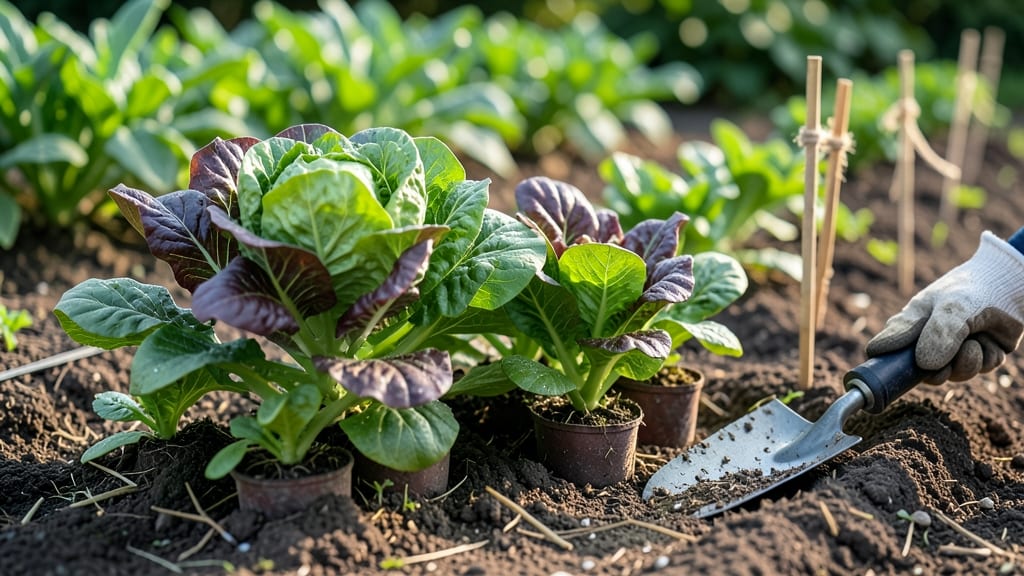
Planting lettuce 🥬 at the wrong time in Georgia means either watching it bolt in the heat or wilt under frost—both disasters for crisp, flavorful harvests.
The key to success lies in understanding your local climate zone, whether you're in the Piedmont's Zone 7b or the Coastal Plain's 8b, because even a few weeks off can ruin your crop.
Most gardeners assume spring is the only time to plant lettuce, but Georgia's mild winters actually give you two prime windows: late winter through early spring and late summer into fall.
If you time it right, you can enjoy fresh salads from March through November without the bitter aftertaste of stress.
I've learned the hard way that planting too early risks frost damage while waiting too late means scorching heat turns your tender leaves to mush. The solution? A strategic approach that accounts for Georgia's unpredictable weather patterns and extends your harvest with simple tools like row covers.
Let me walk you through the exact planting schedule for your zone, plus three game-changing tips to protect your crop from Georgia's most common growing pitfalls. Your next perfect crisp lettuce head starts with these timing secrets.
Georgia lettuce planting calendar: best months by climate Zone
Georgia’s diverse climate—from the cooler North Georgia Mountains (Zone 7a) to the humid South Georgia Coastal Plain (Zone 8b)—means your lettuce planting schedule should match your microclimate.
The key is avoiding frost damage in spring and heat stress in summer. Let’s break it down by zone so you can plant with confidence.
For North Georgia (Zone 7a), where frost lingers until mid-April, aim to start lettuce seeds indoors 8-10 weeks before the last frost (around mid-February). Transplant seedlings outdoors 4-6 weeks before the last frost date, typically by early March.
In Central Georgia (Zone 8a), frost is less severe, so you can plant seeds directly in the garden as early as late February.
In South Georgia (Zone 8b), the mild winters allow for year-round lettuce production with minimal frost risk. Plant seeds directly in the soil from January through March for spring harvests. However, even here, heat tolerance varies by variety—leaf lettuces handle summer better than head types like Romaine.
Here’s a quick reference for soil temperatures, which are critical for germination. Lettuce seeds need soil temps between 40°F and 80°F to sprout reliably. In Georgia, soil warms up faster in South Georgia than in the North Georgia Piedmont, so adjust your planting dates accordingly.
Urban gardeners in cities like Atlanta or Athens may experience microclimates that are 5–10°F warmer than rural areas. If your garden is near pavement or buildings, you can plant lettuce 1–2 weeks earlier than the zone average, as these areas warm up faster in spring.
For a fall harvest, the window is narrower but equally critical. In North Georgia, plant seeds late August through early September to harvest before the first frost in mid-November. In Central and South Georgia, extend planting until mid-October for a late fall crop.
| Climate Zone | Spring Planting Window | Fall Planting Window | Soil Temp for Germination | Key Varieties |
|---|---|---|---|---|
| North Georgia (Zone 7a) | Indoors: Feb 15–March 1 Outdoors: March 15–April 15 |
Late Aug–Early Sept | 40°F–60°F | Buttercrunch, Romaine, Winter Density |
| Central Georgia (Zone 8a) | Outdoors: Feb 20–March 30 | Late Aug–Mid Oct | 45°F–65°F | Leaf Lettuce, Black Seeded Simpson |
| South Georgia (Zone 8b) | Outdoors: Jan 15–April 1 | Late Aug–Nov 1 | 50°F–70°F | Romaine, Oakleaf, Summer Crisp |
Pro tip: Use a soil thermometer to confirm temps before planting. If soil is too cold (below 40°F), seeds may rot instead of sprouting. In contrast, if soil exceeds 80°F, lettuce will bolt prematurely, turning bitter.
For gardeners in transition zones (e.g., between Piedmont and Coastal Plain), monitor local weather forecasts. A sudden cold snap in March or a late heatwave in October can ruin your crop. Use row covers or shade cloth to protect seedlings during unpredictable weather.
Remember, succession planting every 2–3 weeks ensures a steady harvest. In Georgia’s climate, this means planting new seeds every few weeks from February through April for spring and August through October for fall. This strategy maximizes your garden’s potential and minimizes wasted space.
By aligning your lettuce planting with Georgia’s climate zones and microclimates, you’ll enjoy crisp, homegrown lettuce from spring through fall—without the frustration of bolted or frost-damaged crops. 🥬
Spring vs. fall lettuce planting: which season wins in Georgia?
Choosing between spring and fall planting for lettuce in Georgia isn’t just about timing—it’s about avoiding the two biggest enemies of crisp lettuce: heat-induced bolting and frost damage. While both seasons offer harvests, they come with distinct challenges that determine which season will give you the most consistent success.
Spring planting (typically March through April) gives you a head start on the growing season, but Georgia’s rapidly warming soil can push lettuce into bolting mode by late spring.
In contrast, fall planting (typically September through October) extends your harvest into cooler months, but you must act quickly before the first frost arrives. The key difference? Spring lettuce thrives with cooler soil temps, while fall lettuce benefits from shorter daylight hours that delay bolting.
Here’s the critical trade-off: Spring-planted lettuce often produces larger, more robust heads like Romaine or Buttercrunch, while fall-planted varieties (especially leaf lettuces) tend to be more heat-tolerant and ready for harvest before winter sets in.
However, spring crops face higher pest pressure from aphids and slugs, while fall crops must contend with earlier frost risks if planted too late.
Spring Planting (March–April)
✅ Pros
- Longer daylight = faster growth
- Larger heads (ideal for Romaine, Iceberg)
- Lower pest pressure early in season
❌ Cons
- Bolting risk increases by May
- Higher slug/snail damage in damp spring soil
- Requires shade cloth by late spring
Fall Planting (September–October)
✅ Pros
- Cooler temps delay bolting
- Leaf lettuces thrive (e.g., Black Seeded Simpson)
- Fewer pests in autumn
❌ Cons
- Short harvest window before frost
- Requires row covers for late plants
- Soil may dry faster in early fall
For maximum success in Georgia, I recommend a hybrid approach: Plant your first batch in late February/early March for a spring harvest, then follow up with a fall succession in late August.
This gives you two harvests—one in April–May and another in October–November—while minimizing bolting risks. Use heat-tolerant varieties like Oakleaf or Summer Crisp for fall, as they handle Georgia’s late-summer heat better than traditional types.
Pro tip: If you’re in Zone 8b (South Georgia), you can even experiment with winter lettuce under row covers, extending your harvest into December. Just be prepared to protect plants from light frosts (below 28°F) with frost blankets or move pots indoors temporarily.
Remember, succession planting every 3 weeks in both seasons ensures a continuous supply. In Georgia’s climate, this means 6–8 weeks of spring harvests and 4–6 weeks of fall harvests—plenty of time to enjoy fresh, homegrown lettuce without the bitterness of stress. 🥬