
Plants
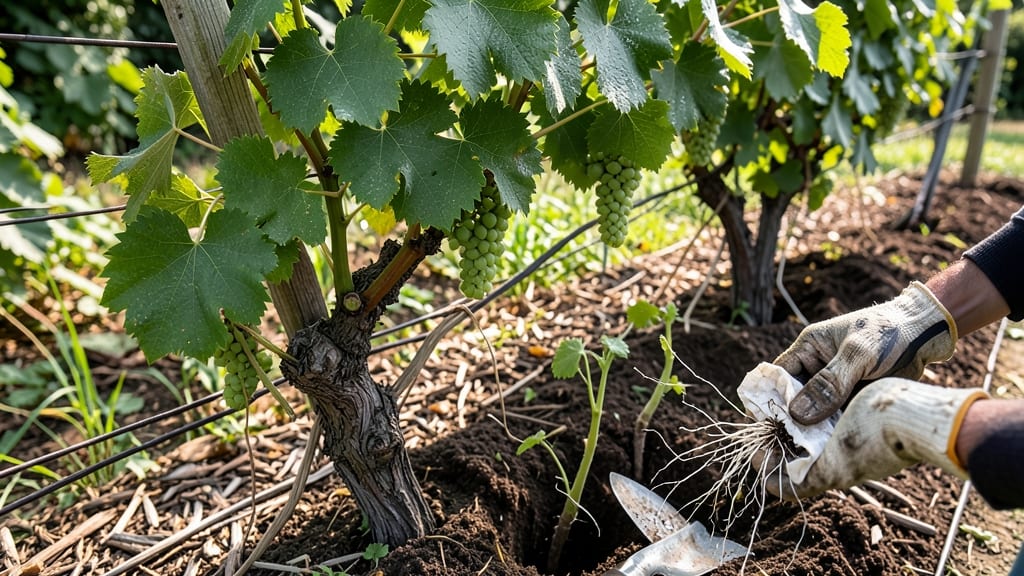
Planting grapes in Arizona (AZ) might seem tricky with its extreme heat, but getting the timing right is the key to thriving 🍇 vines—and a bountiful harvest.
The secret lies in matching your grape variety to the region’s chill-hour requirements, which determine whether your vines will survive the winter and flourish in the desert sun.
Unlike cooler climates, Arizona’s 9b zone demands careful planning—planting too early risks frost damage, while waiting too long can leave vines struggling to establish roots before the scorching summers arrive. The ideal window runs from November through February, when temperatures are mild and rainfall is more predictable.
Whether you’re planting in-ground or in containers, understanding your grape’s chill-hour needs (typically 200–600 hours for Arizona varieties) will help you choose the right type for your microclimate. From Phoenix to Flagstaff, each area has unique conditions that can make or break your grape-growing success.
In this guide, I’ll walk you through the exact steps to prepare your soil, select the best varieties for your location, and protect your vines from heat stress—so you can enjoy homegrown grapes from June through September without the guesswork.
Arizona grape planting windows by variety and chill-hour needs
Arizona’s diverse microclimates—from the low-desert heat of Phoenix to the cooler high-elevation areas of Flagstaff—mean you can’t use a one-size-fits-all approach to grape planting. The key factor is chill hours, which measure how many hours below 45°F (7°C) your grapevines experience during winter.
Most Arizona-friendly varieties need 200–600 chill hours, but some heat-loving types thrive with as few as 100–200 chill hours.
For Phoenix and Yuma (Zones 9b–10a), where winters are mild, focus on low-chill varieties like Black Monukka or Red Malaga. In Flagstaff and Prescott (Zones 7a–8a), you can grow traditional European varieties like Cabernet Sauvignon or Chardonnay, which require 500+ chill hours.
Planting at the wrong time—too early or too late—can leave vines vulnerable to late frosts or heat stress.
Here’s how to match your grape variety to Arizona’s planting windows and chill-hour needs for a successful harvest:
If you’re in Phoenix or Tucson, aim to plant dormant bare-root vines in November or December to give roots time to establish before the 100°F+ summers. In Flagstaff or Sedona, you can push planting into January if soil temperatures stay above 50°F (10°C).
Avoid planting in March or later, as the heat will stress young vines before they’re established.
For container growing, which is ideal for urban areas, use 5-gallon pots and plant in late fall (November) to prevent root-bound stress. Containers heat up faster, so choose heat-tolerant varieties like Black Monukka or Red Malaga and move pots to shaded areas during peak afternoon sun.
Pro tip: Use a soil thermometer to check that soil temps are above 50°F (10°C) before planting. Cold soil can shock roots and delay growth. If temps drop below 40°F (4°C), cover vines with row fabric or mulch heavily to protect them from frost.
Timing isn’t just about the calendar—it’s about matching your variety to your microclimate. For example, a Cabernet Sauvignon planted in Yuma will struggle without supplemental chill hours, while a Black Monukka in Flagstaff might not ripen fully due to excess chill.
Start with a low-chill variety if you’re new to grape growing, then experiment as you gain confidence.
Once your vines are in the ground, focus on consistent watering and pruning to encourage strong growth. In Arizona’s dry climate, drip irrigation is a game-changer—it delivers water directly to roots while minimizing evaporation.
Pair this with organic mulch (like straw or wood chips) to retain moisture and regulate soil temperature.
🍇
Step-by-step guide to planting grapes in Arizona’s desert climate
Arizona’s extreme heat and low humidity demand a structured approach to grape planting. Whether you’re prepping in-ground beds or container setups, follow these steps to ensure your vines thrive despite the challenges.
The key is moisture retention, heat protection, and proper trellis support—all critical for survival in the desert.
Start by selecting a sunny, sheltered location with 6+ hours of direct sunlight. Avoid low spots where cold air pools during winter. If your yard has reflective surfaces (like pavement), plant at least 10 feet away to prevent heat stress.
For container growing, choose 5-gallon pots with drainage holes and place them on elevated stands to improve airflow.
- 1 Soil Preparation: Test your soil’s pH (aim for 6.0–7.0) and amend with compost or aged manure to improve drainage. Arizona’s clay-heavy soils need organic matter to prevent compaction. Mix in perlite or coarse sand for better aeration.
- 2 Planting Time: Dig a hole twice as wide as the root ball but only as deep as the container. Plant bare-root vines in November–February when soil temps are 50–60°F (10–15°C). For potted vines, remove the container and loosen roots gently before placing them in the hole.
- 3 Trellis Setup: Install a strong trellis or arbor (at least 6–8 feet tall) to support vines. Use galvanized wire or wooden posts buried 2 feet deep. Train vines to grow upward to maximize airflow and reduce disease risk from humidity.
- 4 Watering System: Set up a drip irrigation system to deliver 1–2 inches of water weekly during the first year. Avoid overhead sprinklers, which can spread fungal diseases. For containers, water every 5–7 days and check soil moisture with your finger—top 2 inches should be dry before watering.
- 5 Mulching: Apply a 3–4 inch layer of organic mulch (straw, wood chips, or shredded leaves) around the base of the vine, keeping it 6 inches away from the trunk. Mulch helps retain moisture, regulate soil temperature, and suppress weeds. Replenish mulch as it breaks down.
- 6 Frost Protection: If a late frost is forecasted, cover vines with row fabric or burlap sacks. Avoid plastic sheets, which can trap heat and scorch leaves. In high-desert areas, use windbreaks (like tall plants or fencing) to shield vines from cold winds.
- 7 Pruning Plan: Prune vines in late winter (February) to remove dead or weak canes and shape the plant. Leave 4–6 buds per cane to encourage balanced growth. In summer, thin fruit clusters to 6–8 inches apart for larger, higher-quality grapes.
After planting, monitor your vines closely for signs of heat stress, such as wilting leaves