
Plants
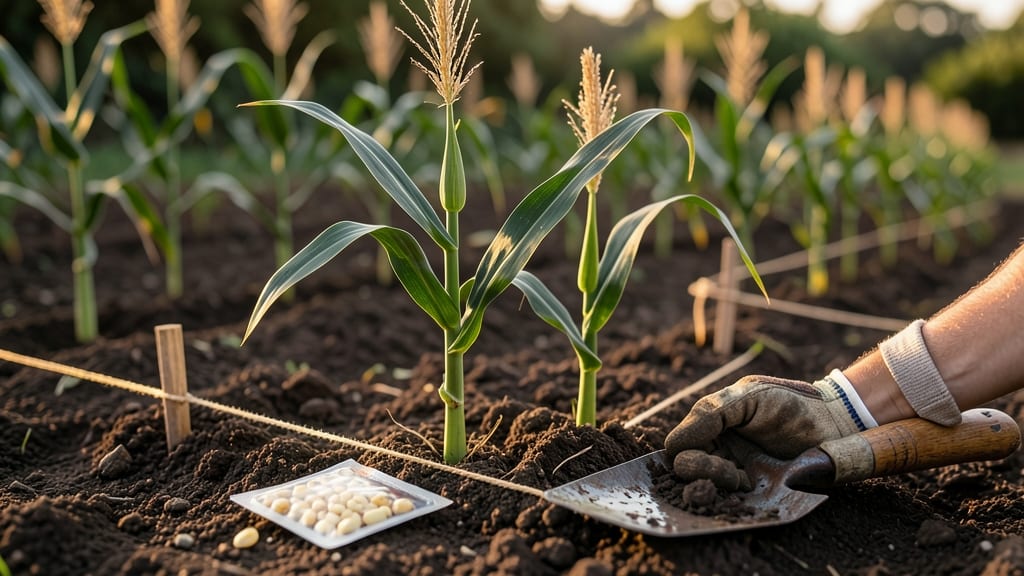
Planting corn in Zone 6b at the wrong time can turn your dreams of golden ears into a sad pile of wasted seeds—because cold soil and late frosts are the silent harvest killers most gardeners miss.
The key isn't just waiting for the calendar to say "spring"; it's watching for that perfect moment when soil temperatures hit 60°F and the last frost has officially fled the neighborhood.
In Zone 6b, that window opens around mid-April to mid-May, but here's the catch: rushing too early means your 🌽 seeds will rot in chilly ground, while waiting too late cuts your harvest short.
I've learned the hard way that corn needs warmth to germinate fast—otherwise, weeds steal the show before your stalks even stand tall.
What you'll discover here is exactly how to time your planting for maximum success, including when to start seeds indoors (if you're brave) and how to adjust for early vs. late varieties.
We'll also cover the 3 critical signs your soil is ready—because even the best-intentioned gardener can get this wrong.
Ready to turn those seeds into a summer-long feast? Let's get your corn growing on the right schedule, so you're not left with empty husks by harvest time.
Zone 6b corn planting dates based on soil temperature & frost timing
Getting your corn planting timing right in Zone 6b means waiting for two key factors: soil warmth and frost-free conditions. Corn seeds won’t sprout until soil reaches 50°F, but ideal germination happens at 60°F+.
In Zone 6b, this typically aligns with mid-April to mid-May, after the last average frost date of April 15. However, regional microclimates—like cooler mountain valleys or warmer river plains—can shift this window by 1-2 weeks.
For maximum yield, aim to plant when daytime temperatures consistently stay above 65°F and nighttime temps don’t dip below 55°F. Early April plantings risk cold soil stunting, while late May sowings may produce ears before the first fall frost in mid-October.
Use a soil thermometer to confirm readiness—corn roots need warmth to access nutrients efficiently.
In Appalachian regions of Zone 6b, expect cooler soils and delay planting until late April. Meanwhile, in the Midwest plains, you might start as early as early April if using black plastic mulch to warm the soil faster.
Always check your local Almanac’s frost dates and adjust for 3-4 weeks of buffer time before the first expected frost.
| Factor | Zone 6b Specification | Actionable Tip |
|---|---|---|
| Soil Temperature | 50°F+ (ideal: 60°F+) | Use a soil thermometer 2" deep |
| Last Frost Date | April 15 (varies ±7 days) | Plant after 3 frost-free weeks |
| Daytime Temp | 65°F+ consistently | Monitor 7-day forecasts |
| Nighttime Temp | Above 55°F | Use row covers for early nights |
| Planting Window | Mid-April to Mid-May | Stagger plantings for extended harvest |
If you’re planting early-maturing varieties (like Silver Queen or Ambrosia), you can push the window to early April—these varieties mature in 75-85 days, giving you a harvest before fall frosts.
For sweet corn varieties (e.g., Bodacious), wait until late April to ensure full sugar development before the first frost. Always plant 1-2 weeks after your local last frost date to account for unexpected cold snaps.
For gardeners in Zone 6b’s cooler microclimates, consider soil warming tricks like black plastic mulch or planting near south-facing fences. These methods can add 5-10°F to soil temps, letting you plant 10-14 days earlier.
Just remember: corn roots need warmth to access phosphorus and potassium, so rushing too early can stunt growth. A slow start often leads to a bigger harvest.
Once you’ve confirmed soil temps and frost dates, direct sow seeds—corn doesn’t transplant well. Drop seeds 1.5 inches deep, 4-6 inches apart, in rows 30-36 inches apart. Thin seedlings to 12 inches apart when they’re 6 inches tall to prevent crowding, which reduces ear size.
After planting, maintain 1-2 inches of water weekly and mulch with straw to retain moisture and regulate soil temps.
Timing your corn harvest is just as critical as planting. In Zone 6b, most varieties mature between July and early September, but late plantings may need row covers to extend the season.
Watch for brown silks and milky kernels—these are your cues to harvest. If frost threatens before maturity, harvest immature ears and cook them like green corn.
Pro tip: Plant a second crop of early-maturing corn in late June for a fall harvest. This works if your first frost arrives
Zone 6b corn planting dates based on soil temperature & frost timing
Timing your corn planting in Zone 6b isn't just about waiting for spring—it's about catching that golden window when soil temperatures hit 60°F+ and the last frost has passed.
This typically lands between mid-April and mid-May, but regional differences mean your exact dates could shift by 2-3 weeks depending on whether you're in the Appalachians or the Midwest.
For most of Zone 6b, the average last frost date falls around April 15, but I always wait until 2 weeks after that date to be safe.
Corn seeds won't germinate well below 50°F, so rushing too early means you're basically feeding your seeds to the soil microbes instead of watching them sprout.
Here's the critical timeline you need to nail: Soil at 60°F+, frost-free nights, and at least 100 frost-free days until your first expected frost in October. In Zone 6b, that gives you roughly 165 days of growing season—just enough for most varieties to mature.
| Stage | Zone 6b Timeline | Key Action |
|---|---|---|
| Soil Prep | Late March | Test soil pH (6.0-7.0 ideal), add compost |
| Planting Window | Mid-April to Mid-May | Direct sow after last frost, soil 60°F+ |
| Germination | 7-14 days | Keep soil moist, watch for sprouts |
| Harvest Ready | July-September | Silks brown, kernels milky when pierced |
| First Frost Risk | Mid-October | Use row covers for late varieties |
If you're in the Appalachian region of Zone 6b, you might need to plant 1-2 weeks later due to cooler soils holding warmth longer. Meanwhile, gardeners in the Midwest can often start planting by late April if their soil warms quickly.
The key is to test your soil temperature with a thermometer—don't guess!
Pro tip: Use black plastic mulch to warm soil faster if you're eager to plant early. I've seen this cut 10 days off the time needed to reach planting temperatures. Just remember to remove it once plants emerge to prevent overheating.
For Zone 6b gardeners, the absolute latest you should plant is early June—any later and your corn won't mature before frost. But if you're growing early-maturing varieties (80-90 days), you can stretch that window slightly by planting in late May for a late-summer harvest.