
Plants
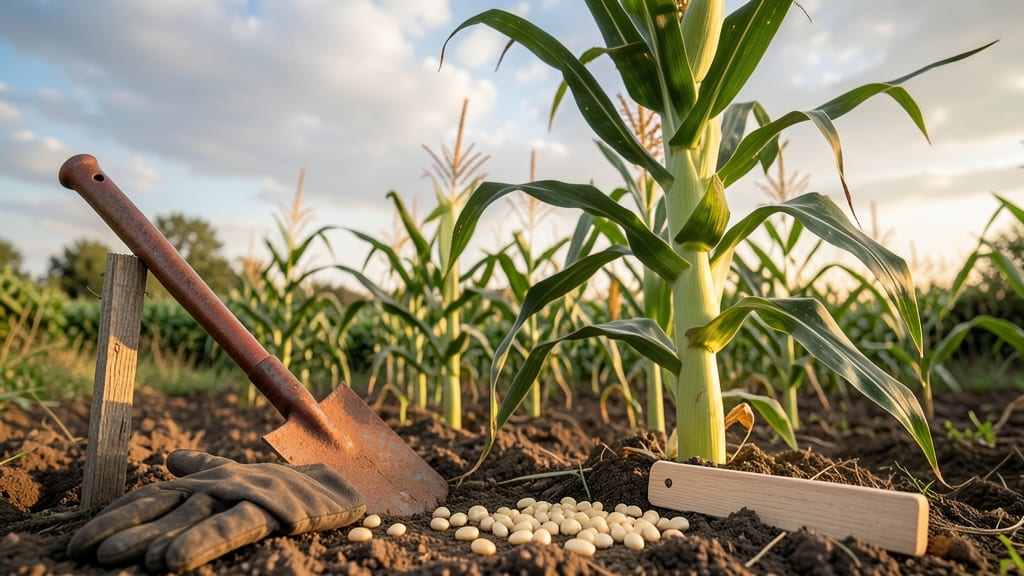
Planting corn in Georgia at the wrong time can mean the difference between a bumper crop of 🌽 and a disappointing harvest—especially when soil temperatures and frost dates play such a big role.
The ideal window runs from mid-April to late June, but getting it right depends on more than just the calendar.
Here in zones 7b-9a, where last frosts linger until March 15 and first frosts arrive by November 15, timing matters even more. Too early, and cold soil stalls germination; too late, and your 75-day variety won’t mature before frost.
I’ll break down exactly how to align your planting with Georgia’s microclimates—whether you’re in Atlanta’s highlands or Savannah’s coastal warmth.
You’ll also discover how to adjust for your corn’s maturity—early sweet corn needs a different approach than late-season field corn. Plus, I’ll share the 3 biggest mistakes Georgia gardeners make (and how to avoid them). Let’s get those seeds in the ground at the perfect moment.
Ready to turn your garden into a cornfield? By the end, you’ll know not just when to plant, but why—so you can grow ears that are plump, sweet, and ready for harvest before the first frost hits.
Georgia corn planting dates by soil temperature & frost zones
Georgia’s diverse climate means your corn planting window can stretch from mid-April in coastal areas to late May in the mountains—soil temperature, not just calendar dates, dictates success.
Corn seeds need consistent soil temps above 50°F to germinate, but they thrive fastest when soil hits 60°F or warmer. In Zone 7b (northern GA), aim for April 15–May 1, while Zone 9a (coastal) can start as early as March 15.
Your last frost date is your first deadline: Plant at least 2 weeks after frost to avoid seed rot. Atlanta’s average last frost is March 15, but Savannah’s is February 15.
Use a soil thermometer to confirm readiness—50°F is the minimum, but 60°F+ ensures faster germination and stronger stalks.
Here’s how Georgia’s three regions compare for ideal planting windows, soil temperature thresholds, and harvest timing:
| Region | USDA Zone | Last Frost | Optimal Planting Window | Soil Temp Threshold | Harvest Window |
|---|---|---|---|---|---|
| Northern GA (Atlanta) | 7b | March 15 | April 15–May 1 | 60°F+ | Late July–October |
| Central GA (Macon) | 8a | March 1 | April 1–April 30 | 55°F+ | June–September |
| Southern GA (Savannah) | 9a | February 15 | March 15–April 15 | 50°F+ | May–August |
Adjust dates 1–2 weeks earlier for coastal areas or later for highland zones.
For sweet corn, prioritize early planting (April) to harvest before July’s heat stress. Field corn and popcorn can handle later starts (May–June) since they mature slower. Pro tip: Use black plastic mulch to warm soil faster in cooler zones—this can shave 1–2 weeks off your planting timeline.
Your corn variety’s maturity days are just as critical as planting dates. A 70-day variety like ‘Silver Queen’ planted in April will harvest in June, while a 110-day variety like ‘Pioneer 39F53’ needs a June start to avoid frost.
Use a maturity zone calculator (like the one in Section 2) to match your region and variety.
Don’t overlook humidity risks in Georgia’s summer. Planting too late (after June 15) can expose corn to ear rot from high humidity. Balance your dates to finish harvest before August’s peak fungal activity. For example, in Zone 8a, aim to harvest by September 1.
🌽
How to adjust planting for Georgia’s microclimates & corn variety maturity
Georgia’s climate isn’t one-size-fits-all—coastal Savannah’s Zone 9a can support corn planted in March, while the Zone 7b mountains near Blue Ridge may need to wait until late May. These microclimate differences mean your planting window should shift by 2–4 weeks depending on elevation and proximity to the coast.
For example, Athens (Zone 8a) has a 3-week later planting window than Brunswick (Zone 8b).
Your corn’s maturity days are just as critical as your planting date. A 70-day variety like ‘Silver Queen’ sweet corn planted in April will harvest in June, but the same variety planted in June will rot before maturity.
Meanwhile, a 110-day variety like ‘Pioneer 39F53’ field corn needs a June start in Zone 7b to avoid frost. Use this maturity zone calculator to estimate your frost-free window:
| Region | Zone | Last Frost | Best Planting Window | Maturity Days to Target |
|---|---|---|---|---|
| Northern GA (Dalton) | 7b | March 20 | April 20–May 10 | 70–90 days |
| Central GA (Macon) | 8a | March 10 | April 1–April 30 | 60–100 days |
| Southern GA (Savannah) | 9a | February 15 | March 15–April 15 | 50–110 days |
Adjust planting dates 1–2 weeks earlier for coastal areas or later for highland zones.
To calculate your local frost-free window, subtract your first frost date (typically November 15) from your last frost date. For example, in Zone 8a (Macon), with a March 10 last frost and November 15 first frost, you have 240 frost-free days.
A 90-day corn planted in April will finish by June 30, leaving room for a second planting in June.
For sweet corn, prioritize earlier varieties (60–80 days) to avoid July heat stress. In Zone 7b, plant ‘Ambrosia’ (70 days) by April 15 for a June harvest. For field/popcorn, opt for longer maturities (100+ days) and plant in May–June.
For instance, ‘Country Gentleman’ popcorn (110 days) needs a June 1 start in Zone 8a to harvest before frost.
Don’t forget succession planting: In Zone 9a, you can squeeze in 3 plantings (March, April, May) for continuous harvests. Use shade cloth to protect seedlings from April heat waves, which can stress young plants.
In Zone 7b, limit to 2 plantings (April and June) to avoid frost risks.
🌾