
Companion Plants
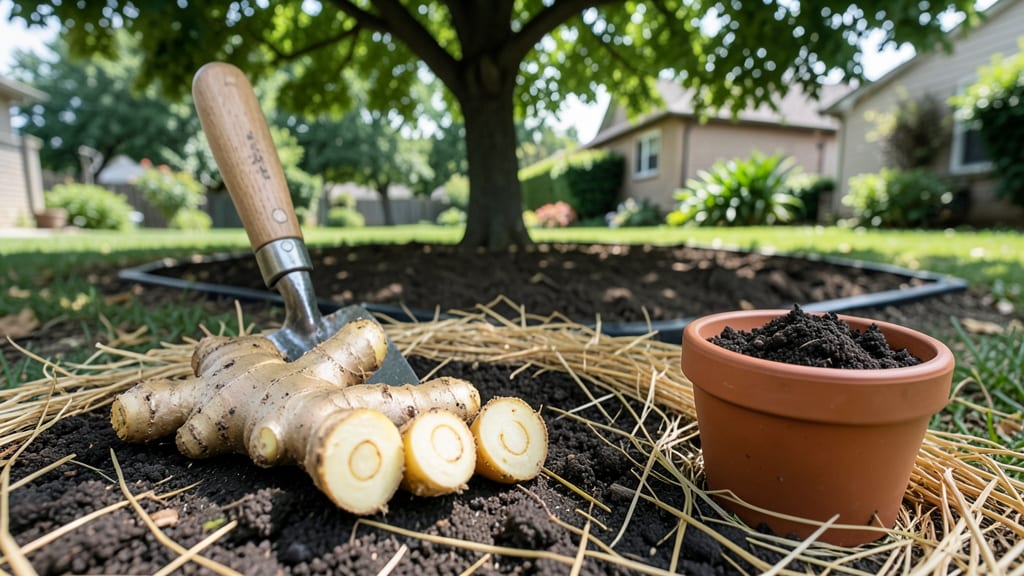
Planting ginger 🌿 in California isn’t just about timing—it’s about unlocking harvest-ready roots in just 8-10 months with minimal effort. Unlike other crops, ginger thrives in California’s mild winters and warm summers, but getting the season right means the difference between plump rhizomes and disappointing yields.
Most gardeners assume spring is the only window, but the truth is, cooler months—especially September through February—are when ginger really takes off. This is especially true in inland valleys (USDA zones 9-10) where temperatures stay mild, while coastal areas (zones 10-11) can even plant year-round with the right care.
Here’s the game-changer: whether you’re in the Central Valley or near the coast, the key is soil temperature and moisture. Plant too early, and you risk stunted growth; too late, and you miss the sweet spot for a fall harvest.
I’ll show you exactly how to align your planting with California’s microclimates for maximum success.
Ready to grow your own ginger? Let’s break down the best months, soil prep, and even container gardening tips for cooler pockets—so you can enjoy fresh, homegrown ginger all year. No more guessing, just proven results.
Best planting months for ginger in California’s climate zones
California’s diverse climate zones—from foggy coastal regions to sunbaked inland valleys—make ginger planting timing a critical factor for a successful harvest. Unlike tropical climates where ginger thrives year-round, California’s cooler winters and warm summers require strategic planting to avoid heat stress or frost damage.
The key is to plant when soil temperatures stay between 60–75°F, allowing rhizomes to establish roots before summer’s intense heat.
Most California gardeners achieve the best results by planting ginger between September and February, aligning with the state’s natural rainfall patterns and milder temperatures. This window ensures rhizomes have 8–10 months to mature before harvest, even in the slowest-growing varieties.
Coastal areas like San Francisco or Santa Barbara can plant slightly later (October–March), thanks to their mild winters and extended growing seasons.
Inland regions such as the Central Valley or Sacramento area face hotter summers and cooler winters, so planting in early fall (September–October) gives ginger time to establish before winter slows growth.
Southern California’s desert-adjacent zones (e.g., Riverside or Palm Springs) benefit from planting in late winter (January–February) to avoid summer dormancy caused by extreme heat.
| Climate Zone | Best Planting Window | Soil Temp Goal | Key Considerations |
|---|---|---|---|
| Coastal (USDA 10-11) | October–March | 60–70°F | Foggy mornings, mild winters; avoid summer planting |
| Central Valley (USDA 9-10) | September–October | 65–75°F | Hot summers; plant early to avoid dormancy |
| Southern CA (USDA 10-11) | January–February | 60–68°F | Desert heat; use shade cloth if planting later |
For gardeners in USDA Zone 9 (e.g., Fresno or Bakersfield), the September planting window is non-negotiable. These areas experience 100°F+ summers, which can stunt ginger growth or cause rhizomes to rot if planted too late.
I’ve seen firsthand how ginger planted in March or April in these zones often produces small, underdeveloped roots due to heat stress.
If you’re in a cooler microclimate (e.g., higher elevations near Lake Tahoe), you can experiment with spring planting (March–April), but monitor soil temperatures closely. Ginger rhizomes need consistent warmth to sprout, so avoid planting when nighttime temps drop below 55°F.
A simple soil thermometer (under $10) is your best friend for tracking these conditions.
Pro tip: Stagger your planting by 2–4 weeks to extend your harvest window. For example, plant half your rhizomes in September and the rest in October. This ensures some ginger is ready to harvest while others are still growing, giving you a continuous supply from late spring through summer.
One common mistake I see is assuming “earlier is better” for ginger. While cooler weather helps establishment, planting too early (June–August) in inland zones risks dormancy or pest pressure.
Ginger thrives in warm but not scorching conditions—think of it as a tropical plant with a chill tolerance, not a heat lover.
For container growers, timing flexibility increases slightly. Pots warm up faster than garden beds, so you can plant 1–2 months later than in-ground ginger. Just ensure containers have drainage holes and use a lightweight potting mix to prevent overheating.
My 5-gallon pots in Los Angeles often yield harvest-ready ginger by May when planted in February.
🌱
How to time ginger planting for year-round harvests in California
California’s diverse microclimates let you grow ginger almost year-round—but strategic timing maximizes your harvest. Unlike tropical ginger, California varieties thrive in cooler months when soil temps stay between 60–75°F.
Plant too early in hot inland valleys, and your rhizomes will bake in the heat. Coastal gardeners, however, can plant almost anytime thanks to mild winters.
For year-round harvests, stagger plantings every 2–3 months. Start in late summer (August) for a winter harvest, then follow with fall (October) and early spring (March) batches. This ensures you always have fresh rhizomes ready to dig up as they mature in 9–12 months.
Moisture is just as critical as timing. Ginger roots need consistent dampness but hate soggy soil. In coastal regions, water weekly during dry spells, while inland gardens may only need bi-weekly watering.
Mulch with 3 inches of straw to retain moisture and regulate soil temperature—this is especially helpful in Southern California’s hot, dry summers.
Pro tip: Use a moisture meter to check soil levels. Ginger rhizomes grow best when the top 2 inches of soil stay moist, but never waterlogged. Overwatering in coastal winter can lead to fungal rot, while underwatering in summer causes rhizomes to dry out before harvest.
For continuous harvests, pair your ginger with companion plants like basil or lemongrass, which thrive in similar conditions. These plants also repel pests like aphids, keeping your ginger patch healthy year-round. Just avoid planting near citrus trees, which compete for nutrients.
Remember, California’s microclimates mean your neighbor’s perfect harvest timing might not work for you. Start small with a test batch in your ideal month, then adjust based on your garden’s unique conditions. With the right timing, you’ll enjoy homegrown ginger in every season—no grocery store in sight! 🌱