
Plants
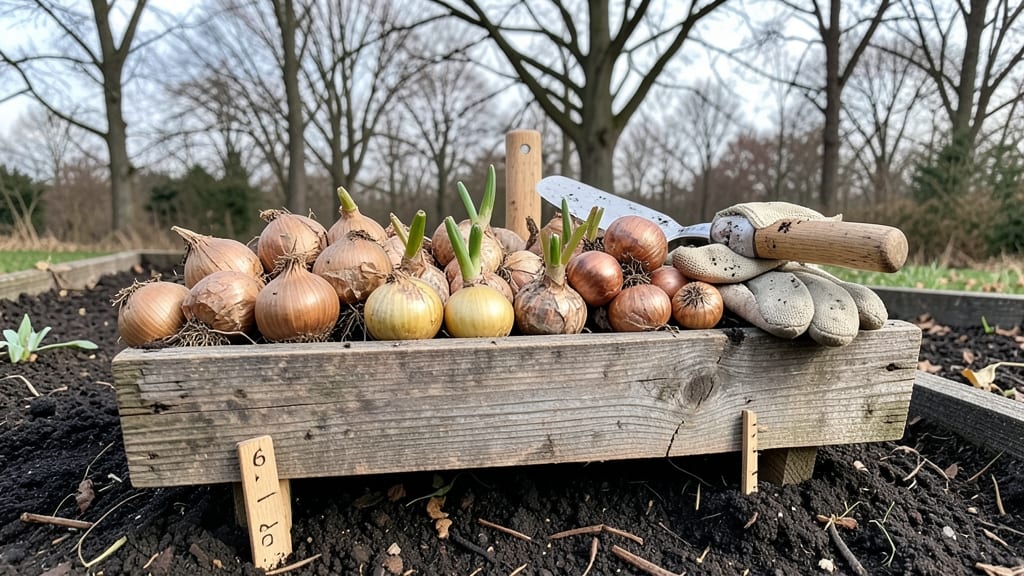
Planting bulbs in Zone 8 at the wrong time can mean the difference between a garden bursting with 🌷 spring color and a season of disappointment.
The key isn't just picking the right bulbs—it's knowing exactly when to put them in the ground so they develop strong roots before winter sets in.
In Zone 8, where winters are mild but still chilly enough to trigger dormancy, timing matters more than you might think. Plant too early, and your bulbs could sprout before the ground cools—wasting energy and stunting growth.
Too late, and they won’t have enough time to establish before the first frost hits.
I’ve learned that the sweet spot for most spring-flowering bulbs is 6-8 weeks before your first frost date, typically landing in late October through November. But there’s more to it than just dates—soil temperature, bulb type, and even microclimates within Zone 8 play a role.
This guide will walk you through the exact window for planting everything from tulips to daffodils, plus how to prep your soil and care for your bulbs so they come back bigger and brighter every year. Let’s get those roots growing the right way!
Optimal fall planting windows for Zone 8 bulbs by type
In Zone 8, where winters are mild and summers are long, planting bulbs at the right time ensures they establish strong roots before winter dormancy. The ideal window for most spring-flowering bulbs is 6-8 weeks before the first frost, which typically falls between mid-October and mid-November.
However, this timing varies slightly depending on the bulb type and your specific microclimate within Zone 8.
For Zone 8a (colder end), aim to plant bulbs by November 15 to allow roots to develop before the ground freezes. In Zone 8b (warmer end), you can extend planting slightly later—up to December 1—since frost arrives later.
The key is to plant when soil temperatures drop below 60°F, signaling bulbs to start rooting while avoiding premature sprouting in warm soils.
🌷
Spring-flowering bulbs like tulips and hyacinths need cooler soil temperatures to trigger root growth, so avoid planting when the ground is still warm. In contrast, fall-blooming crocuses can handle slightly warmer soil and often bloom in late winter or early spring.
For Zone 8b, where winters are even milder, you might push planting to early December for bulbs like daffodils, but monitor soil temps closely.
One common mistake in Zone 8 is planting too early, which can cause bulbs to sprout prematurely and get damaged by late-season heat. Always check soil temperature with a soil thermometer—aim for 50-60°F at a depth of 6 inches.
If your soil stays above 65°F, wait a few weeks before planting.
For bulbs that multiply, like daffodils and alliums, fall planting gives them extra time to establish and expand their colonies. These types are especially well-suited to Zone 8’s climate, as they can handle the mild winters and still produce vibrant blooms year after year.
If you’re unsure about your local frost dates, consult your cooperative extension service for precise timing tailored to your area.
🌡️
Remember, the goal is to give bulbs enough time to root before winter sets in, but not so long that they start growing too early.
In Zone 8, this balance is crucial—plant too late, and roots won’t develop fully; plant too early, and you risk weak growth or even bulb rot. By following these Zone 8-specific guidelines, you’ll set your bulbs up for a spectacular spring display.
🌱
How to prepare your soil and site for fall bulb planting
Preparing your Zone 8 garden properly before planting bulbs is the secret to strong root growth and vibrant blooms next spring. The warm winters and mild climate here mean bulbs need well-draining soil and optimal planting depth to thrive.
Start by testing your soil pH—most bulbs prefer a slightly acidic to neutral range of 6.0-7.0. If your soil is too alkaline, mix in compost or peat moss to adjust it naturally.
Next, focus on drainage improvements. Zone 8’s occasional heavy rains can lead to waterlogged soil, which rots bulbs before they even sprout. Amend heavy clay soil with sand or perlite to create air pockets.
For raised beds, use a mix of 50% garden soil and 50% compost to ensure loose, fertile conditions. Avoid fresh manure—it can burn bulb roots and disrupt dormancy.
- Planting too early: Warm Zone 8 soils can cause bulbs to sprout prematurely and get fried by late fall heat. Wait until soil temps drop below 60°F (15°C).
- Skipping soil prep: Compacted or poor soil leads to weak root systems and fewer blooms. Always loosen soil to twice the bulb’s depth.
- Overcrowding bulbs: Planting bulbs too close together competes for nutrients and reduces flower size. Follow spacing guidelines (e.g., 4-6 inches apart for tulips).
- Ignoring mulch: Without mulch, bulbs in Zone 8 may freeze or dry out. Apply 2-3 inches of mulch after planting to insulate roots.
When it comes to planting depth, follow the rule of thumb: plant bulbs 3x deeper than their height. For example, a 2-inch-tall daffodil bulb should go 6 inches deep. Use a bulb planter or your finger to create holes—this ensures consistent depth and prevents uneven sprouting.
In heavier soils, consider planting in raised beds or containers for better control over drainage and depth.
Don’t forget to choose the right location! Most bulbs thrive in full sun to partial shade, but in hot Zone 8 climates, afternoon shade can prevent heat stress. Avoid low-lying areas where cold air pools—this can delay blooming or damage tender shoots.
If your yard has microclimates (like a sunny border next to a shady tree), group bulbs by their sunlight needs for best results.
After planting, water deeply to settle the soil and encourage root growth. Then, apply a 2-inch layer of mulch (like straw or shredded leaves) to retain moisture and insulate roots during winter.
Avoid organic mulches like wood chips—they can decompose too quickly and rob bulbs of nutrients. Recheck mulch levels in late winter to ensure it hasn’t compacted or washed away.
With these steps, your Zone 8 bulbs will establish robust roots before winter, setting the stage for show-stopping spring blooms. The key is patience—bulbs need time to harden off and prepare for dormancy, so don’t rush the process! 🌱