
Plants
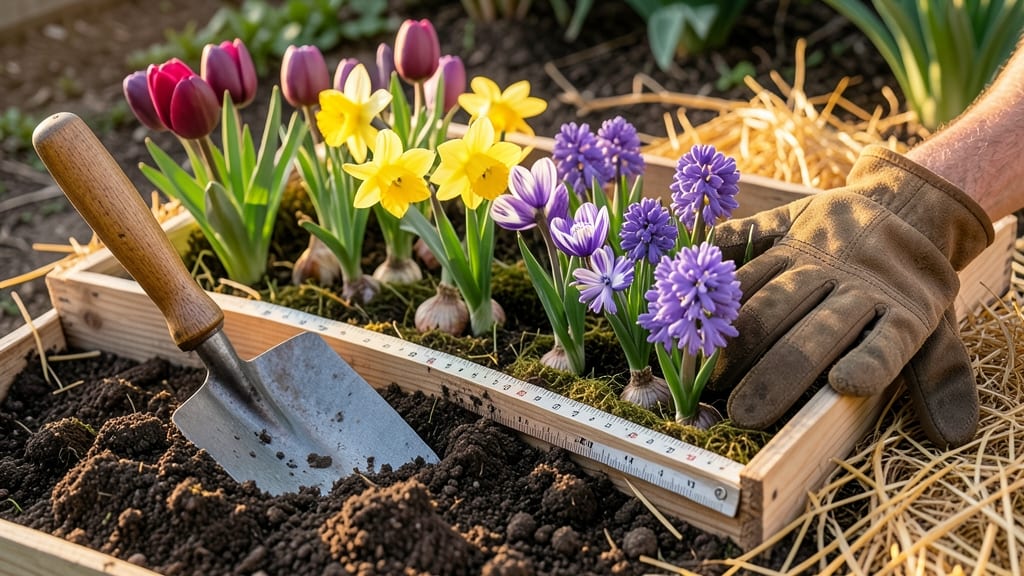
Planting your 🌷 bulbs (General) at the wrong time in Zone 7b could mean the difference between a vibrant spring garden and a missed opportunity. The key is timing—too early, and frost will ruin your efforts; too late, and your bulbs won’t establish roots before winter sets in.
In Zone 7b, the ideal window for fall planting is between mid-October and November, giving bulbs enough time to root before the ground freezes. Early spring planting (February–March) also works for varieties like tulips and daffodils, but only after the last frost date—typically around March 15 in this zone.
Why does this matter? Bulbs need 6–8 weeks of cool soil to develop strong roots before winter dormancy. Skipping this step weakens their ability to bloom next season.
I’ll walk you through the exact steps to plant, adjust for late frosts, and pick the best bulbs for your climate—so you can enjoy a showstopping display year after year.
Whether you’re a first-time gardener or a seasoned pro, getting the timing right is the game-changer for healthy, thriving bulbs. Let’s break down the best strategies to make your planting effortless and foolproof.
Zone 7b bulb planting calendar: exact dates by bulb type
Zone 7b gardeners enjoy a unique advantage: mild winters that extend the planting window for bulbs compared to colder zones. But timing is still critical—plant too early, and bulbs may rot; too late, and frost zaps their growth.
The key is understanding each bulb type’s specific needs and Zone 7b’s frost patterns, which typically bring the first frost around November 15 and the last around March 15.
Most bulbs thrive when planted in fall (October–November), allowing roots to establish before winter. However, tender bulbs like dahlias and gladiolas must wait until early spring (February–March) after the last frost.
Below, I’ve broken down the exact planting windows for popular bulbs, adjusted for Zone 7b’s climate quirks—like late fall frost risks and mild winter temperatures.
⚠️ CRITICAL NOTE: Always check your local 10-year frost average (available via Almanac.com or NOAA)—Zone 7b can vary by 1–2 weeks depending on elevation or microclimates. For example, Asheville, NC might frost earlier than Atlanta, GA.
🌷 Zone 7b Bulb Planting Calendar
| Bulb Type | Optimal Planting Window | Depth (inches) | Spacing (inches) | Zone 7b Notes |
|---|---|---|---|---|
| Tulips | October 1–November 15 | 6–8 | 4–6 | Plant late October to avoid mold in wet soil. Use dwarf varieties for containers. |
| Daffodils | October 15–December 1 | 6–8 | 4–6 | Deer-resistant and frost-tolerant—can handle Zone 7b’s late frosts. |
| Crocus | September 15–October 31 | 3–4 | 3–4 | Plant early to bloom before daffodils. No chilling required—ideal for late fall. |
| Hyacinths | October 15–November 15 | 6–8 | 4–6 | Fragrant but frost-sensitive—plant after soil temps drop below 60°F. |
| Dahlias | February 15–March 15 | 4–6 (tubers) | 12–18 | Tender bulbs—wait until after last frost. Use row covers for early springs. |
| Gladiolas | February 20–April 1 | 4–6 | 4–6 | Plant after soil warms to 60°F. Late bloomers—great for summer color. |
| Alliums | October 1–November 15 | 6–8 | 6–12 | Drought-tolerant and pest-resistant. Plant early for June blooms. |
💡 PRO TIP: Use a soil thermometer—plant when temps are below 60°F but above freezing for fall bulbs.
For Zone 7b’s mild winters, you can also plant crocus and snowdrops
How to adjust planting for late fall frost risks in Zone 7b
Zone 7b’s unpredictable late fall weather can turn your bulb planting into a gamble if you don’t plan ahead. Unlike colder zones, our mild winters and late frost dates (often November 15) demand precision.
Plant too early, and bulbs may rot before winter; too late, and they won’t establish roots before frost. The key? Timing based on soil temperature and local frost history.
Start by checking your last average frost date—most Zone 7b areas see it between November 15-25. Aim to plant bulbs 6-8 weeks before this date, typically mid-October to early November. For example, if your frost date is November 20, plant by October 25.
Use a soil thermometer to confirm the ground has cooled to 60°F or below—this signals bulbs it’s time to root.
Here’s the critical rule: Never plant bulbs when soil temps hover above 50°F. Warm soil triggers early sprouting, which weakens bulbs before winter. If your October stays unusually warm, delay planting until soil cools naturally or use shade cloth to protect newly planted areas.
This adjustment can save your tulips or daffodils from heaving out of the ground.
⚠️ Frost Risk Alert: Zone 7b’s Hidden Danger
Late November surprises are the #1 reason bulbs fail in Zone 7b. Even if your average frost is November 15, a cold snap in late November can catch unprepared bulbs. Use these 3 protective layers:
- Mulch 3-4 inches of straw or leaves after planting to insulate soil
- Apply row covers if frost threatens within 2 weeks of planting
- Plant crocus and snowdrops earliest—they tolerate light frost better
Pro Tip:
Check your local CoCoRaHS station data for 5-year frost trends—some Zone 7b areas have shifted frost dates by 2 weeks due to climate change.
For bulbs like dahlias and gladiolas, which need extra warmth, wait until late October or early November when soil temps drop below 55°F. These tropical natives struggle with early exposure to cold.
Dig a test hole—if you can keep your hand in the soil for 10 seconds without discomfort, it’s ready for planting.
Don’t forget spring-planted bulbs like caladiums or canas, which thrive in Zone 7b’s warm springs. Wait until after your last frost (March 15) and when soil reaches 65°F. Test this with a thermometer or by checking if your dandelions are blooming—this signals safe planting.
Finally, mark your calendar for January 1—this is your last chance to add mulch if winter arrives early. A 3-inch layer of shredded bark or pine needles adds 10°F of insulation, protecting bulbs from temperature swings.
With these adjustments, your Zone 7b bulbs will bloom earlier and more reliably than your neighbors’!