
Plants
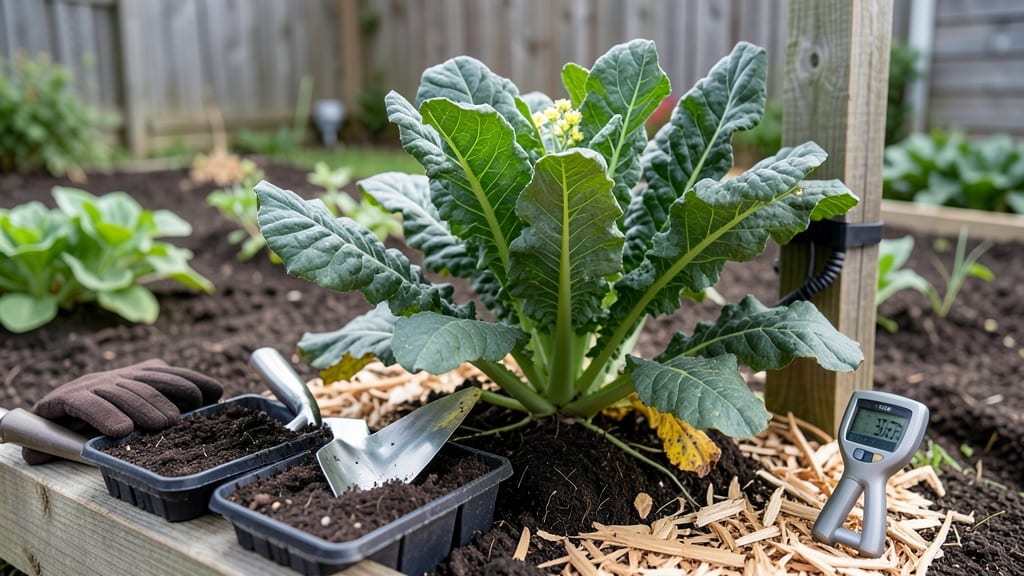
Planting collard greens 🥬 at the wrong time in Alabama can mean tough, bitter leaves instead of the tender, flavorful harvest you crave. The key to sweet, succulent greens lies in understanding Alabama's unique climate and frost patterns—especially in USDA Zone 8a where timing makes all the difference.
Most gardeners in Alabama actually get two chances to plant collard greens successfully: once in early spring and again in late summer. But if you miss those windows, you'll either face stunted growth from summer heat or frost damage before your greens mature.
Let me show you exactly when to start seeds or transplants for maximum yield.
What many don't realize is that Alabama's microclimates create subtle variations in frost dates—sometimes as much as two weeks between regions. That means what works in Birmingham might not be perfect for Mobile. I'll break down the exact planting deadlines you need to follow for your specific area.
Beyond just dates, we'll cover soil prep, spacing, and variety selection to ensure your collard greens thrive through Alabama's unpredictable weather. Whether you're aiming for spring harvests or fall crops, these proven strategies will help you grow collards that stay tender and delicious all season long.
Optimal planting windows for collard greens in Alabama’s zone 8a climate
Alabama’s USDA Zone 8a climate offers two ideal windows for planting collard greens: early spring and late summer. The key is avoiding extreme heat and late frosts, which can stunt growth or kill young plants. Let’s break down the perfect timing for each season.
For spring planting, aim for February to early March—about 4-6 weeks before your area’s average last frost date (typically mid-March). This gives seedlings time to establish roots before warmer temperatures arrive. In late summer, plant again in August to early September for a fall harvest.
Collard greens thrive in cool weather (60–75°F) and can even tolerate light frosts once established. However, planting too early in winter risks cold damage, while planting too late in summer exposes seedlings to heat stress. Timing is everything for tender, flavorful leaves.
| Planting Window | Best Months | Key Considerations |
|---|---|---|
| Early Spring | February–March | Plant 4–6 weeks before last frost; avoid late frosts (32°F) |
| Late Summer | August–September | Seedlings need shade; harvest before first frost (mid-November) |
| Winter (Cold-Hardy) | October–November | Use mulch to protect roots; harvest before extreme cold (20°F) |
If you’re planting in early spring, start seeds indoors 6–8 weeks before the last frost date to get a head start. For late summer plantings, use shade cloth to protect young seedlings from intense Alabama sun.
This is especially critical in coastal areas, where humidity and heat can stress plants.
For a continuous harvest, stagger plantings every 2–3 weeks in spring and fall. This ensures you’ll have fresh leaves ready to pick from April through December, depending on your microclimate. Succession planting is a game-changer for Alabama gardeners!
Pro tip: Cold-hardy varieties like ‘Georgia Southern’ or ‘Vates’ perform exceptionally well in Alabama’s climate. These varieties can handle light frosts and even improve in flavor after a light freeze. Just avoid planting them too early in winter without protection.
Always test your soil’s pH (6.0–7.0) and amend with compost before planting. Well-draining, nutrient-rich soil is non-negotiable for collard greens. In Alabama’s clay-heavy soils, mix in sand or organic matter to improve drainage and aeration.
Finally, monitor your local frost dates—they can vary by 1–2 weeks depending on whether you’re in North Alabama (Huntsville) or South Alabama (Mobile). Use a frost calendar or local extension service for precise deadlines.
Timing this right means the difference between bitter, tough leaves and tender, sweet harvests.
Ready to plant? Grab your seeds, mark your calendar, and get ready for a bountiful collard green season in Alabama! 🥬
Optimal planting windows for collard greens in Alabama’s zone 8a climate
Alabama’s USDA Zone 8a climate gives you two prime windows to grow collard greens: early spring and late summer. These periods align with the plant’s heat tolerance and frost sensitivity, ensuring sweet, tender leaves. Missing these deadlines can lead to bitter flavors or poor growth.
For a spring harvest, plant collard greens between February 15 and March 15. This timing ensures they mature before Alabama’s average last frost date (March 15), avoiding cold damage.
In contrast, a fall harvest thrives when planted between August 1 and September 15, allowing leaves to sweeten as temperatures drop.
Here’s how Alabama’s frost-free days (210) and heat tolerance shape your planting strategy:
| Planting Window | Key Considerations | Harvest Timeline |
|---|---|---|
| Early Spring (Feb 15 - Mar 15) | Avoid frost; soil temp ≥50°F | April - May |
| Late Summer (Aug 1 - Sep 15) | Heat-tolerant; 60+ days to frost | October - December |
| Winter (Jan 1 - Jan 31) | Cold-hardy varieties only; mulch heavily | March - April |
If you’re aiming for a year-round supply, consider a succession planting strategy. Start with late summer plants for fall harvests, then follow up with early spring seeds for a spring bounty. This approach maximizes your collard green yield in Alabama’s short growing season.
For cold-hardy varieties, you can even plant in January if you use row covers or mulch. These varieties (like Georgia Southern) tolerate light frosts and sweeten after exposure to cool temperatures. Just be prepared for slower early growth.
Remember, soil temperature matters just as much as air temperature. Collard greens need soil that’s at least 50°F to germinate properly. Use a soil thermometer to check before planting—especially in early spring when cold snaps linger.
Pro tip: Direct sow seeds ½ inch deep and space them 12-18 inches apart for optimal airflow. Thin seedlings to 12 inches apart once they’re 4 inches tall to prevent disease and improve leaf quality. 🌱