
Plants
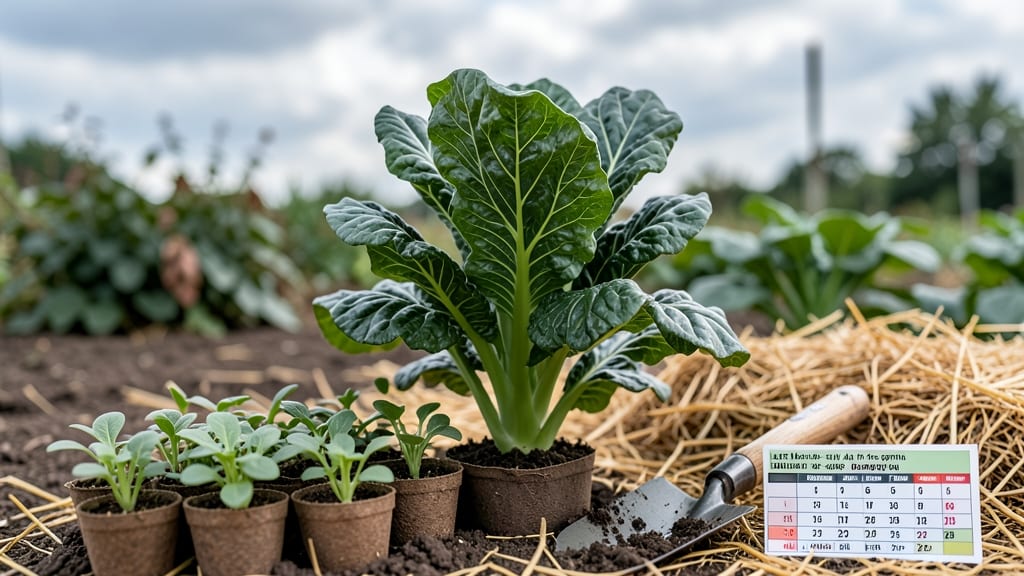
Planting collard greens in Tennessee at the wrong time means either freezing your harvest or missing out on their sweetest flavor. The key is timing—spring and fall are your best bets, but knowing the exact windows for your region makes all the difference.
With Tennessee’s USDA zones 6a-7b, you’ve got flexibility, but frost dates still matter. March–April for spring and August–September for fall are ideal, but local variations mean checking your last frost date. Get it right, and you’ll enjoy 🥬 harvests from May through November.
I’ll break down the exact planting schedule for East, Middle, and West Tennessee, plus pro tips to extend your harvest. Whether you’re a beginner or a seasoned gardener, these strategies will help you grow collards that taste better than store-bought—every time.
Ready to avoid the common mistakes? Let’s dive into the best times to plant, the frost-resistant varieties that thrive here, and how to keep your collards producing well past the first frost.
Best planting times for collard greens in Tennessee by region
Tennessee’s diverse climate—from the cooler East Tennessee mountains to the warmer West Tennessee plains—means collard green planting times vary by USDA zones 6b to 8a. To avoid frost damage or missed harvests, align your planting with your region’s last spring frost and first fall frost dates.
For East Tennessee (zones 6b-7a), like Knoxville or Chattanooga, aim for March 15–April 15 in spring and August 1–September 15 for fall. These dates give plants enough time to mature before mid-October frosts hit.
In Middle Tennessee (zones 7a-7b), like Nashville, shift your window slightly later: April 1–May 1 for spring and August 15–September 30 for fall.
West Tennessee (zones 7b-8a), including Memphis, enjoys longer growing seasons. Start seeds indoors by March 1 for outdoor transplanting by April 15, or sow directly in late March. For fall, plant by August 15 to harvest before November’s first frost. Always check local frost date averages—they’re your planting compass.
🌱
If you’re aiming for a year-round supply, stagger plantings every 3–4 weeks from spring to early fall. This ensures a steady harvest while avoiding the heat stress of summer or frost damage in winter.
For example, plant a batch in late March, another in mid-April, and a final one in early September.
For direct sowing, wait until soil temperatures reach 50°F (10°C)—use a soil thermometer to check. In containers, start seeds indoors 4–6 weeks before your region’s last frost date. Harden off seedlings by placing them outdoors for 2–3 hours daily before transplanting.
In East Tennessee’s cooler microclimates, like the Smoky Mountains, consider using black plastic mulch to warm the soil faster in spring. This can shave 2–3 weeks off your planting timeline. Conversely, in West Tennessee’s heat, opt for shade cloth during peak summer months to prevent bolting.
Pro tip: Mark your calendar with local frost dates from the Tennessee State University Extension or Almanac’s Frost Calculator. These tools provide hyper-localized data to fine-tune your planting schedule.
For instance, Chattanooga’s last frost averages April 10, while Memphis’ averages April 20—a 10-day difference that matters for collards.
Remember, fall plantings are often more productive in Tennessee because cooler temperatures sweeten the leaves. Start seeds indoors in late July for transplanting by mid-August, giving them time to establish before winter sets in. With the right timing, you’ll enjoy tender collards well into December.
🌿
Best planting times for collard greens in Tennessee by region
Tennessee’s diverse microclimates mean your planting schedule depends heavily on whether you’re in East, Middle, or West Tennessee. Each region has slightly different last frost dates and USDA hardiness zones, so I’ll break it down to help you avoid frost damage while maximizing your harvest.
For East Tennessee (zones 6b-7a), aim to plant collards 4-6 weeks before your first frost, typically between late August and mid-September for a fall crop.
Spring planting should start after your last frost date, usually mid-April to early May. This region’s cooler nights make early fall plantings especially productive.
In Middle Tennessee (zones 7a-7b), your window is slightly broader. Start spring plantings in late March to early April and fall plantings in early August to early September.
The warmer climate here allows for earlier spring starts without frost risk, but don’t delay past mid-April or you’ll miss peak sweetness.
| Region | USDA Zone | Spring Planting Window | Fall Planting Window | Last Frost Date | First Frost Date |
|---|---|---|---|---|---|
| East TN | 6b-7a | Mid-April to Early May | Late August to Mid-September | Mid-April | Mid-October |
| Middle TN | 7a-7b | Late March to Early April | Early August to Early September | Late March | Late October |
| West TN | 7b-8a | Early March to Mid-April | Mid-July to Early August | Early March | Early November |
West Tennessee (zones 7b-8a) offers the longest growing season, so you can plant as early as late February for spring collards. For fall, mid-July to early August is ideal. The warmer climate here even allows for light winter harvests if you use row covers during cold snaps.
Pro tip: Use succession planting every 2-3 weeks in spring and fall to ensure a continuous harvest. This works especially well in West Tennessee, where the extended season lets you stretch your planting window even further.
Remember, soil temperature matters too. Collard seeds won’t germinate well in cold soil—wait until soil reaches at least 50°F (10°C) before planting. In cooler regions like East Tennessee, this might mean delaying until late April even if frost risk is low.
For the most accurate frost dates, check the Tennessee State University Extension’s frost calendar or use the USDA Plant Hardiness Zone Map. With the right timing, you’ll enjoy 🥬 harvests from May through November—no matter where you garden in Tennessee.