
Plants
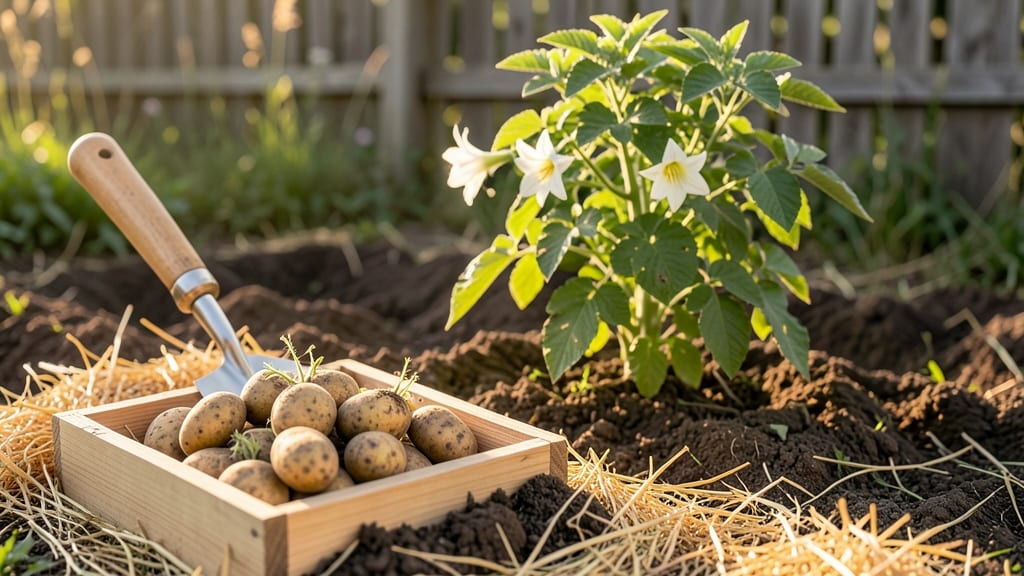
Oregon’s frost-free zones: best planting dates by elevation
Oregon’s USDA zones 5b-9a create a challenge for potato growers—coastal areas stay damp and cool, while high-desert regions face sudden freezes. Timing is everything: plant too early, and frost will kill tender sprouts; too late, and your harvest shrinks.
The key? Soil temperature (aim for 45°F+) and last frost dates.
Western Oregon’s mild winters (Zones 8-9) let you start as early as February, while Eastern Oregon’s Zone 5-7 areas demand patience until late April.
Even within these zones, microclimates (like valley floors vs. mountain slopes) shift ideal dates by weeks. Let’s break it down by elevation to avoid costly mistakes.
🚨 CRITICAL: Always check your local last frost date—even a 28°F night can devastate young potato plants. Use the comparison table below to pinpoint your zone’s sweet spot.
| Region | USDA Zone | Last Frost Date | Ideal Planting Window | Soil Temp Threshold | Notes |
|---|---|---|---|---|---|
| Western Oregon (Coastal) | 8a-9a | March 15–April 15 | February 15–March 30 | 45°F+ | Humidity delays warming; use row covers if frost lingers. |
| Willamette Valley | 7b-8a | March 20–April 10 | March 1–March 25 | 45°F+ | Fertile soil speeds growth; chit potatoes for 4 weeks indoors. |
| Central Oregon (High Desert) | 5b-7a | April 15–May 1 | April 1–April 30 | 50°F+ | Cold nights persist; late varieties (e.g., ‘Kennebec’) perform best. |
| Eastern Oregon (Blue Mountains) | 5a-6b | April 20–May 10 | April 15–May 1 | 50°F+ | Dry soil warms faster; mulch heavily to retain moisture. |
If you’re in Zone 8-9 (e.g., Portland or Eugene), don’t wait until March—late February planting gives early varieties like ‘Red LaSoda’ time to mature before summer heat.
Meanwhile, Zone 5-6 growers in Bend or La Grande should hold off until soil warms, even if sprouts peek through in March.
Pro tip: Use a soil thermometer—potatoes need consistent warmth to grow. If your soil hovers around 40°F, wait a week or two. Cold soil = stunted tubers. 🌱
For high-elevation gardens (above 3,000 ft), consider cold-hardy varieties like ‘Purple Viking’ or ‘German Butterball’. These tolerate cooler soils and shorter seasons. Pair them with black plastic mulch to accelerate soil warming by 2-3°F.
One common mistake? Planting too deep in cold zones. In Zone 5-6, bury seed potatoes only 3-4 inches deep—shallow planting helps them warm faster. In Zone 8-9, you can go 4-6 inches deep since soil stays warmer longer.
Finally, track your local frost dates for 3 years to spot patterns. The Oregon State University Extension Service offers free frost maps—bookmark theirs before you buy seed potatoes! With the right timing, you’ll harvest crisp, disease-free spuds by July in most of Oregon. ☀️
Next, we’ll cover how to adjust planting for early vs. late varieties—including which types thrive in Oregon’s shortest growing seasons.
How to adjust planting for early vs late varieties in Oregon
Oregon’s diverse microclimates mean you can grow both early-maturing and late-blooming potato varieties successfully. The key is matching your potato type to your last frost date and adjusting planting times to maximize your harvest window.
For early varieties like ‘Yukon Gold’ or ‘Red Pontiac’, aim to plant 2-3 weeks before your region’s last frost. These 60-90-day potatoes thrive in cooler soil and can even tolerate light frosts. In Western Oregon (Zone 8-9), that means late February to early March.
Late varieties like ‘Russet’ or ‘Kennebec’ need 90-120 days to mature, so plant them after the last frost risk has passed. In Eastern Oregon (Zone 5-7), this typically means mid-April to early May for these longer-season varieties.
🌱 Pro Tip: If you’re in a shorter-season zone (like Zone 5), consider planting early varieties in late March and late varieties in early May to stagger your harvest and avoid a glut of potatoes all at once.
For gardeners in cooler coastal areas, use row covers or cold frames to extend the season. These can push back frost dates by 2-4 weeks, allowing you to plant early varieties in February and still get a harvest.
In high-desert regions, where soils warm quickly, you can plant late varieties as early as April—just be prepared to water deeply to prevent soil from drying out too fast. The goal is to get tubers started before the summer heat sets in.
Finally, chitting (pre-sprouting) your seed potatoes 4-6 weeks before planting gives early varieties a head start. Place them in a cool, bright spot (like a sunny windowsill) to encourage strong sprouts before they hit the ground.
By aligning your variety choice with your local frost dates and using season-extending tools, you can enjoy fresh potatoes from early summer through fall—no matter where you garden in Oregon. 🥔