
Container Gardens
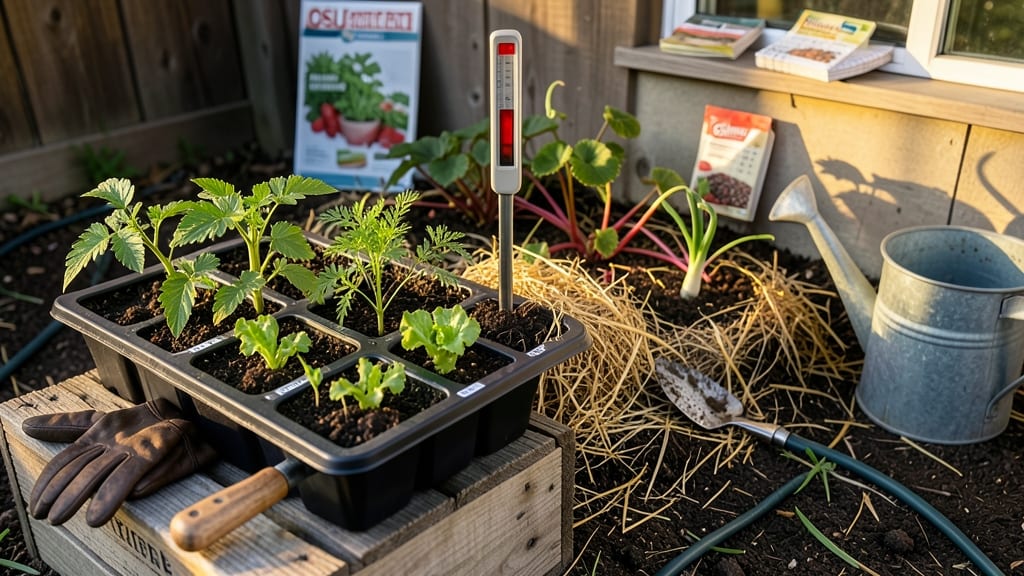
Timing when to plant a garden in Oregon just right can feel like solving a puzzle—coastal fog, Willamette Valley warmth, and high-desert chill all demand different strategies. Plant too early, and frost will nip your seedlings; too late, and you’ll miss the growing season entirely.
I’ve spent years watching Oregon’s three distinct climate zones shape what thrives—and what fails—in gardens. Whether you’re in the Willamette Valley’s mild springs or the high desert’s later starts, knowing the exact window to plant 🌱 cold-hardy varieties makes all the difference.
You’ll learn how to align your planting with Oregon’s last frost dates, from coastal areas where spring arrives early to inland zones where soil warms slower. We’ll cover the best crops for each region and how to stretch your season for summer-to-fall harvests—no guesswork, just results.
Skip the trial-and-error: Master these region-specific start dates, and your garden will reward you with lush growth and bountiful yields. Let’s get those seeds in the ground at the perfect moment.
Oregon planting zones and exact start dates by region
Oregon’s diverse microclimates create unique challenges for gardeners. The Willamette Valley enjoys mild winters, while the coastal regions battle persistent fog, and the high desert faces extreme temperature swings. Understanding your USDA hardiness zone and last frost dates is critical to planting success.
Most of Oregon falls within USDA Zones 4-9, with Zone 8 dominating the Willamette Valley. Coastal areas like Astoria stay cooler (Zone 7-8), while Bend in the high desert sits in Zone 6-7. These differences dramatically impact when you can safely plant cool-season crops versus warm-season vegetables.
For cool-season crops like lettuce and peas, start seeds 4-6 weeks before your last frost date. In the Willamette Valley (average last frost: March 15-April 1), this means mid-February to early March.
Coastal areas can plant slightly earlier (late January), while high desert gardeners should wait until late March.
Warm-season crops like tomatoes and peppers need soil temperatures above 60°F and should only go in after your last frost. In Zone 8 (Willamette Valley), this is typically mid-April to early May. Coastal areas may wait until May 15, while high desert zones can plant April 15.
Your elevation also plays a role. Gardens in the Cascade foothills may experience 1-2 weeks later last frost dates than valley floors just a few miles away. Always check local weather records for the past 5 years to refine your planting schedule.
For fall planting, aim to sow seeds 90-120 days before your first frost. In Zone 8, this means July 15-August 15 for hardy crops like kale and spinach.
Coastal areas can extend this window until September 1, while high desert gardeners should finish by July 30.
Remember that soil temperature matters more than air temperature. Use a soil thermometer to confirm readiness—40°F for cool-season crops and 60°F+ for warm-season plants. In cooler microclimates, consider black plastic mulch to warm soil faster.
Pro tip: Bookmark the Oregon State University Extension Service frost date maps for real-time updates. Their historical frost data helps account for climate variability year to year. For example, the 2021 late spring frost in the Willamette Valley caught many gardeners off guard.
If you're unsure about your exact last frost date, observe your neighbors' gardens. When cherry blossoms finish blooming, it's a good sign that frost risk has passed in most of Oregon. But always verify with local records—microclimates can create 10°F differences just miles apart! 🌱
Best cold-hardy vegetables and herbs for Oregon’s early planting
Oregon’s cool, wet springs mean you can get a jumpstart on your garden with cold-hardy vegetables and herbs. These resilient plants thrive in chilly soil and often produce faster than warm-season crops.
My top picks for early planting include spinach, kale, peas, broccoli, cilantro, and parsley, which can handle Oregon’s unpredictable weather.
For the coastal regions (like the Willamette Valley), aim to plant these crops 4-6 weeks before your last frost date, typically between mid-March and early April.
Inland areas, like the Columbia Gorge or high desert, can plant slightly earlier—late February to early March—since they warm up faster.
Spinach and kale are my go-to early crops. They tolerate light frosts and even improve in flavor after a light freeze. Sow seeds directly into the soil, about ¼ inch deep, and keep them well-watered. For peas and broccoli, start seeds indoors 6-8 weeks before transplanting to avoid soil-borne diseases common in Oregon’s damp springs.
🌱 Top 5 Cold-Hardy Plants for Oregon
- 1. Spinach – Plant March-April, harvest in 45-60 days. Loves cool weather.
- 2. Kale – Sow February-May, thrives in 30-70°F. More tender after frost.
- 3. Peas – Start March-April, needs trellis support. Ready in 60-70 days.
- 4. Broccoli – Plant March-April or August, prefers 60-70°F. Harvest heads at 2-3 inches.
- 5. Cilantro – Direct-sow March-May, bolts in heat. Ideal for cool springs.
Herbs like parsley and cilantro are also excellent early choices. They grow well in partial shade, making them perfect for Oregon’s overcast springs. Avoid planting basil or dill too early—they need warmer soil temperatures (at least 55°F) to germinate properly.
To maximize success, amend your soil with compost before planting. Oregon’s acidic soils (especially in the coastal regions) benefit from a balanced fertilizer or wood ash to raise pH slightly. Mulch with straw to retain moisture and protect seedlings from unpredictable temperature swings.
If you’re in a high-desert area, like Bend or La Pine, watch for late spring frosts and use row covers for extra protection. These areas can have 10-14°F warmer daytime temps than the coast, so adjust your planting timeline accordingly.
For example, tomatoes and peppers can go in the ground 2-3 weeks earlier than in the Willamette Valley.
Start with these cold-hardy crops, and you’ll have a bountiful early harvest before the summer heat sets in. My garden’s first fresh spinach in April is always a highlight—it’s worth the extra effort to time it right!