
Plants
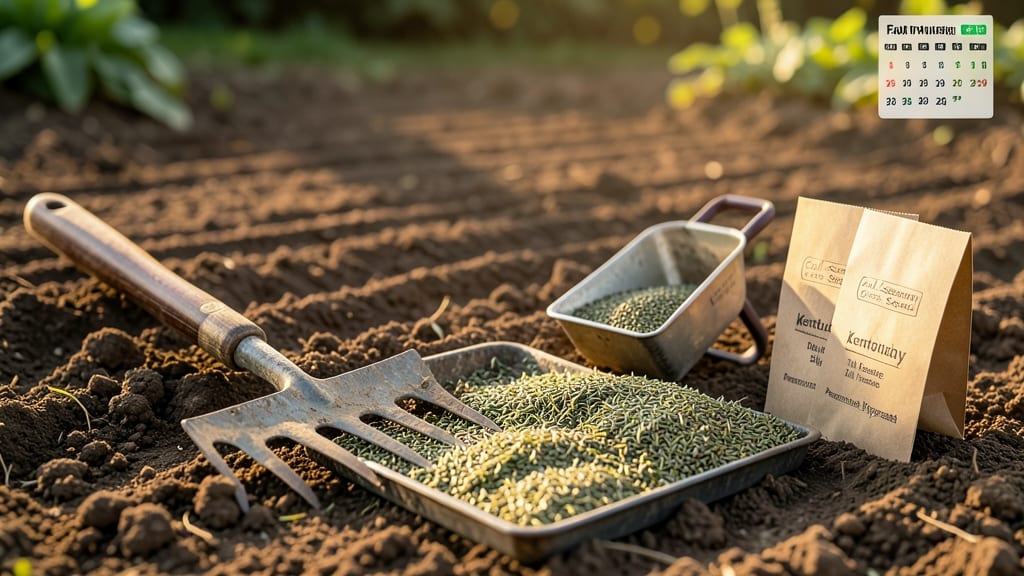
Planting grass seed in the fall is your best bet for a thick, green lawn—but timing it right makes all the difference between success and struggle. Cool-season grasses like fescue and rye thrive when soil temps drop, giving roots time to establish before winter dormancy.
The key? Start 4-6 weeks before your first frost, when daytime highs hover around 60-75°F—this window ensures strong germination before cold sets in.
Why fall? Unlike spring planting, fall offers cooler temps and steady rainfall, reducing stress on young grass. In USDA Zone 6a, that means aiming for late September to early October—just enough time for roots to anchor before winter.
Skipping this window often leads to weak growth or even winter kill, so don’t wait until the leaves start changing color.
Preparing your lawn properly is just as critical as timing. Aerate compacted soil, adjust pH if needed, and choose the right seed blend for your climate. Once planted, consistent watering (about 1 inch per week) keeps seeds moist without drowning them.
With the right approach, your grass will wake up lush and ready for spring.
Ready to transform your lawn? I’ll walk you through the exact steps—from soil prep to watering schedules—to guarantee your grass seed takes hold this fall. Let’s get started!
Ideal fall planting windows for cool-season grass by region and climate
Timing your grass seed planting in the fall is a game-changer for cool-season grasses like Kentucky bluegrass, fescue, and ryegrass. These varieties establish strong roots before winter, giving you a head start in spring. But the perfect window depends on your USDA hardiness zone and local climate.
In Northern regions (Zones 3-5), aim to plant 4-6 weeks before the first frost, typically between mid-August and mid-September. Southern areas (Zones 6-7) can extend seeding into October or even early November, as milder winters allow later establishment.
The key is ensuring 6-8 weeks of warm soil for germination before temperatures drop.
Here’s how to match your region to the ideal planting timeline:
| Region | USDA Zones | Ideal Planting Window | Soil Temp Goal (°F) | Key Consideration |
|---|---|---|---|---|
| Northern | 3-5 | Mid-August to mid-September | 50-65°F | Early frost risk—seed before October 15 |
| Transitional | 6-7 | Late August to October | 55-70°F | Milder winters—extend to November if soil stays warm |
| Southern | 8-9 | September to early November | 60-75°F | Warm winters—avoid late November to prevent winter kill |
Check your local first frost date (use the Old Farmer’s Almanac or NOAA maps) and count backward 6 weeks to set your deadline. For example, if frost hits November 15, plant by October 1.
Pro tip: Use a soil thermometer to confirm temps are ideal—50-65°F is perfect for germination.
Regional microclimates matter too. If you live in a coastal area or near large bodies of water, your soil may stay warmer longer, allowing a later planting date. Conversely, high-elevation zones or inland areas cool faster, so err on the earlier side.
Always prioritize root establishment over speed—rushed seeding leads to weak grass vulnerable to winter stress.
For northern climates, consider a two-step approach: overseed with ryegrass in early fall for quick cover, then follow up with fescue or bluegrass in spring.
This hybrid method reduces winter weeds and ensures year-round density. In southern zones, focus on tall fescue or perennial ryegrass, which handle mild winters better.
Don’t let rainfall patterns throw you off. While fall often brings moisture, drought can still occur. Plan for consistent watering (1 inch per week) until seeds germinate. If your area is prone to early droughts, schedule planting for a wet spell to avoid stressing young seedlings.
Finally, watch for weed competition. Fall weeds like chickweed and crabgrass thrive in bare soil—apply a pre-emergent herbicide 2-3 weeks before seeding to keep them at bay. This small step can mean the difference between a lush lawn and a weedy mess next spring.
How to prepare soil and seed for maximum fall germination success
Fall planting isn’t just about timing—it’s about giving your grass seed the perfect foundation to thrive. Cool-season grasses like tall fescue and Kentucky bluegrass need well-prepared soil and optimal seedbed conditions to establish deep roots before winter dormancy.
Skipping prep steps can leave your lawn patchy or weak, even with the best seed.
Start by testing your soil’s pH level—most cool-season grasses prefer a neutral to slightly acidic range (6.0-7.0). If your soil is too alkaline, amend it with sulfur or peat moss 4-6 weeks before planting.
This gives soil microbes time to adjust and creates the ideal environment for seed germination.
Next, focus on soil aeration. Compacted soil blocks root growth, so rent a core aerator or use a manual aeration tool to create 1/2-inch holes every 2-3 inches.
This improves water and nutrient absorption while reducing competition from weeds. For best results, aerate when the soil is slightly moist but not soggy—ideally in early fall.
🌱 Step-by-Step Fall Soil & Seed Prep
- Step 1: Test soil pH (aim for 6.0-7.0) and amend with lime or sulfur if needed.
- Step 2: Aerate soil 4-6 weeks before planting using a core aerator for 1/2-inch deep holes.
- Step 3: Rake the surface to create a fine, firm seedbed (avoid over-raking, which buries seed too deep).
- Step 4: Spread starter fertilizer (high in phosphorus) at half the recommended rate to boost root growth.
- Step 5: Plant grass seed evenly using a broadcast spreader, then lightly rake to ensure seed-to-soil contact.
Don’t overlook the power of starter fertilizer. A low-nitrogen blend (like 5-10-10) provides quick phosphorus and potassium for root development without encouraging top growth that could freeze in winter. Apply it evenly after aerating but before seeding, then water thoroughly to activate the nutrients.
Finally, choose the right grass seed variety for your climate. Tall fescue and fine fescue handle cooler temps well, while ryegrass germinates faster but may need overseeding in spring. Mixing varieties can improve resilience and color uniformity.
With these steps, your grass will establish a deep root system before winter, giving you a head start for spring’s lushest lawn yet. Just remember: consistent moisture is key in the weeks after planting—we’ll cover watering schedules next! 💧