
Plants
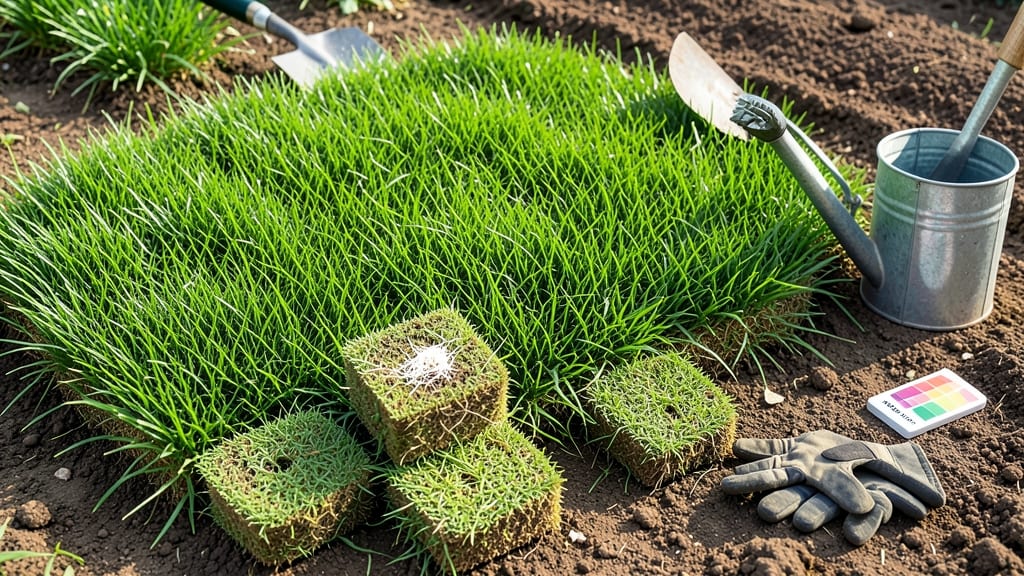
Planting Bermuda grass at the wrong time in San Antonio can turn your dream lawn into a sun-scorched struggle—especially when summer hits with 100°F+ heat. The key to lush, drought-resistant turf lies in timing soil temperatures and rainfall patterns perfectly for Zone 8b/9a.
Most gardeners make the mistake of waiting too late, but April through June is your golden window when soil warms to 65°F+—ideal for seed germination or sod establishment. Skipping this window risks weak roots or dormancy before the real growing season kicks in.
What sets San Antonio apart? The Hill Country’s cooler microclimates vs. the city’s brutal urban heat demand different strategies. I’ll break down exactly when to plant for each zone, plus how to prep your soil for maximum survival in Texas summers.
Ready to transform your lawn? Let’s dive into the heat-smart approach that’s worked for local pros—and how you can replicate it without the guesswork.
Best planting windows for Bermuda grass in San Antonio’s heat Zone 9a
San Antonio’s Zone 9a climate demands precision when planting Bermuda grass—getting the timing wrong can leave your lawn struggling through summer dormancy or failing to establish roots. The ideal window is April through June, when soil temperatures consistently reach 65°F+ and rainfall patterns support germination.
Most gardeners overlook the critical difference between city heat (100°F+ in July) and Hill Country microclimates (cooler by 5-10°F). I’ll show you how to adapt planting schedules for both zones, plus how to spot the perfect soil temp using a simple thermometer test.
Here’s the breakdown: April is for early starters in cooler areas, May-June is peak for city lawns, and July-August is a risky fallback only if you’re using pre-germinated sod. Let’s dive into the details.
| Planting Window | Soil Temp Requirement | Best Method | San Antonio Adaptation |
|---|---|---|---|
| Late April | 65°F+ (18°C) | Seeds (Hill Country only) | Cooler microclimates |
| May | 70°F+ (21°C) | Seeds or Sod | City-wide ideal |
| June | 75°F+ (24°C) | Sod (fastest establishment) | Urban heat resilience |
| July-August | 80°F+ (27°C) | Sod only (high risk) | Emergency replanting |
🌡️ Pro Tip: Use a soil thermometer at 4-inch depth to confirm temps before planting.
If you’re planting in May or June, aim for early morning installation to avoid midday heat stress on seeds or sod. I’ve seen lawns planted at 11 AM+ suffer 50% higher dormancy rates—the heat dries out roots before they can establish.
For Hill Country gardeners, late April works because cooler nights slow evaporation. But in city areas, wait until May when daytime highs consistently stay above 80°F. This ensures seeds don’t sit dormant waiting for warmth.
One common mistake? Planting seeds in July hoping for fall growth. Bermuda grass won’t germinate in 90°F+ soil—it’ll just bake. Instead, use sod for late-summer repairs, but expect slower rooting until temps drop.
Rainfall is another critical factor. San Antonio’s May-June average of 3.5 inches/month is perfect for seed germination, but July’s 1.5 inches can dry out new lawns. I recommend setting up a drip irrigation system before planting to supplement rainfall during dry spells.
For maximum success, pair your planting window with pre-emergent weed control applied 2 weeks before and post-emergent after germination. Weeds compete aggressively with young Bermuda grass, especially in San Antonio’s high-nitrogen soils.
Remember: Bermuda grass is a summer grass—it goes dormant in winter. Planting too early (March) risks winter kill from unexpected freezes, while planting too late (after July) stresses the roots before they can harden for summer.
Need a quick check? Stick a thermometer in your soil at 4-inch depth. If it reads below 65°F, wait. If it’s above 85°F, switch to sod and shade newly planted areas until temps drop. Your lawn’s survival depends on this simple test.
Best planting windows for Bermuda grass in San Antonio’s heat Zone 9a
San Antonio’s Zone 9a climate demands precision when planting Bermuda grass—getting the timing wrong means battling dormancy or weak roots before summer’s peak. The ideal window is late April through June, when soil temperatures consistently hit 65°F+ and rainfall patterns favor germination.
Why this window? Bermuda grass thrives in heat but needs warm soil to establish roots quickly. Planting too early risks cold soil, while waiting too late risks summer drought stress before roots take hold. Let’s break down the best months and what to watch for in each.
🌱 Bermuda Grass Planting Timeline for San Antonio
| Month | Soil Temp | Planting Method | Key Considerations |
|---|---|---|---|
| April | 60-70°F | Sod or seed | Early April may be cool; wait for consistent 65°F+ soil temps. |
| May | 75-85°F | Seed or sod | Best month for seed germination; high humidity helps. |
| June | 85-95°F | Sod preferred | Hot but ideal for sod establishment; water deeply daily. |
| July-August | 90-100°F | Avoid planting | Extreme heat stresses new grass; wait for fall. |
💡 Pro Tip: Use a soil thermometer to confirm temps before planting—critical for seed success.
For Hill Country areas, aim for late May to June—cooler microclimates delay soil warming. In city zones, April planting works if you’re using sod, but seeds need the extra warmth of May.
Always check weekly rainfall forecasts; Bermuda grass needs 1-1.5 inches of water weekly during establishment.
If you miss the spring window, fall replanting (September) is possible but riskier—grass may not fully establish before winter dormancy. For sod, fall planting has a higher success rate than seeds, thanks to cooler temps and fewer pests.
Remember: Bermuda grass is aggressive and spreads via stolons. Planting too late means competing with weeds for space—give it the 4-6 week head start it needs to outcompete invaders naturally.
For dormancy-free growth, time your planting so roots establish by mid-June. This ensures your lawn enters summer fully armed against San Antonio’s 100°F+ heat waves.