
Planting
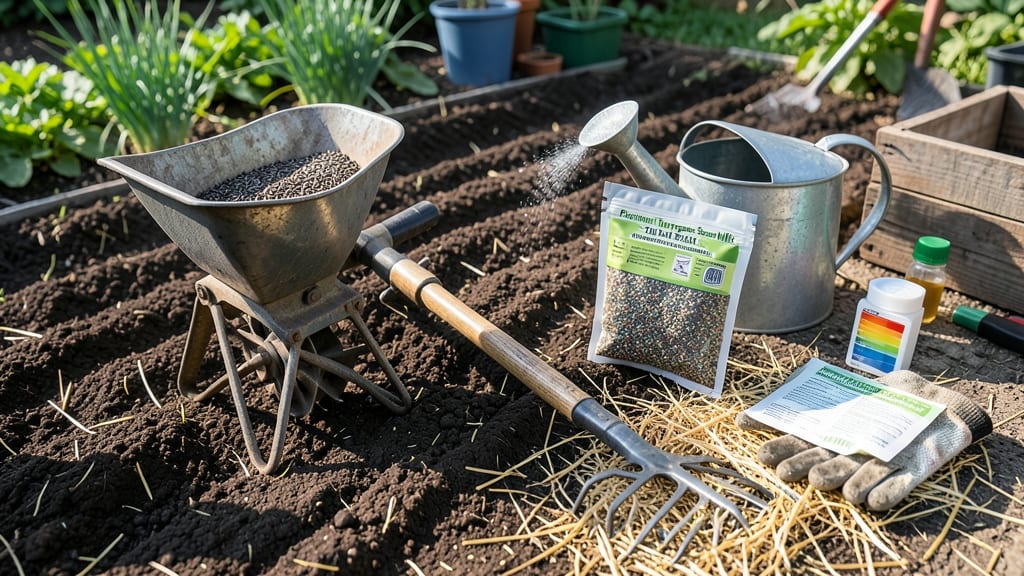
Planting your 🌱 grass seed in North Carolina at the wrong time could mean waiting months for that dreamy green lawn—or worse, watching your seeds wash away before they even sprout.
The state’s shifting climate zones and unpredictable spring showers make timing everything, and getting it right could save you hundreds in wasted seed and frustration.
Most gardeners in zones 6a-8b swear by early spring (March-April) or early fall (August-September) as the best windows for germination, but even those dates shift depending on whether you’re battling coastal humidity or mountain chill.
I’ve seen firsthand how a few degrees too warm or too cool can turn your seed into a buffet for birds—or worse, a dusty disappointment.
What if I told you the secret isn’t just picking a month, but reading your soil and weather like a pro?
In this guide, I’ll break down the exact conditions your 🌱 Turfgrass needs to thrive, from soil prep to watering hacks that keep your new lawn from drying out before it even takes root. Let’s make sure your grass grows—not your regrets.
Whether you’re seeding a new yard or patching bare spots, these location-specific tips will help you avoid the most common mistakes (like planting too late in fall or too early in spring) and get that lush, even coverage you’re dreaming of.
Ready to turn your lawn into the envy of the neighborhood?
Best months to plant grass seed in North Carolina by climate Zone
North Carolina's climate varies dramatically from the humid Coastal Plain to the cooler Mountain regions, making planting timing a critical factor for grass seed success. The ideal window is when soil temperatures hover between 50°F and 70°F, ensuring consistent germination without stressing young seedlings.
For most of the state, this means early spring (March-April) or early fall (August-September), but exact dates depend on your specific USDA zone.
In Zone 6a (western mountains), where frosts linger longer, aim for late April to early May in spring and early September in fall. Meanwhile, Zone 8b (coastal areas) can start as early as February-March for spring planting, thanks to milder winters.
Understanding these nuances helps you avoid planting during extreme heat or cold, which can kill seeds before they sprout.
🌱
| Climate Zone | Ideal Planting Window | Soil Temp Range | Key Considerations |
|---|---|---|---|
| Coastal Plain (Zone 8a-8b) | Feb 15 - Mar 15 (Spring) / Aug 15 - Sep 15 (Fall) | 60°F - 75°F | Humidity-friendly varieties; watch for fungal risks |
| Piedmont (Zone 7a-7b) | Mar 1 - Apr 15 (Spring) / Aug 1 - Sep 10 (Fall) | 55°F - 68°F | Moderate heat tolerance; drought-resistant varieties recommended |
| Mountains (Zone 6a-6b) | Apr 15 - May 1 (Spring) / Sep 1 - Sep 15 (Fall) | 50°F - 65°F | Cooler nights; cold-hardy varieties like tall fescue |
Spring planting offers the advantage of longer daylight hours for establishment, but fall planting often yields stronger roots before winter dormancy.
In Zone 8b areas, you can even attempt late summer planting (July) if you're using heat-tolerant varieties like Bermuda grass, though germination may be slower due to high temperatures. Always check your local NC State Extension office for microclimate-specific advice, as urban heat islands can create unique conditions.
For cool-season grasses like tall fescue or Kentucky bluegrass, which dominate NC lawns, timing is everything. Planting too early in spring risks frost damage, while late spring planting may stress seeds during summer heat.
The 6-week rule applies here: plant no earlier than 6 weeks before your last frost date or no later than 6 weeks after it. Use this as your baseline, then adjust based on your specific zone.
🌿
Moisture availability is another critical factor. North Carolina's summer droughts can dry out seeds before germination, while fall rains provide ideal conditions. If you're planting in September, aim to finish by mid-month to allow roots to establish before winter.
For spring planting, have your irrigation system ready—new grass needs ¼ inch of water daily until germination occurs (typically 7-21 days depending on variety).
One common mistake I see is planting warm-season grasses like Zoysia in spring when temperatures are still cool. These grasses need soil temps above 70°F to germinate properly.
If you're unsure which type you have, check your seed packet or consult with a local nursery—they can recommend varieties tailored to your USDA zone and microclimate. For example, Coastal Bermuda thrives in Zone 8b but would struggle in the mountains.
💧
Pro tip: Use a soil thermometer to verify temperatures before planting. Stick it in the ground 2-4 inches deep (where seeds will be) and wait for readings between 50°F and 70°F for consistent results. This simple tool can save you from planting too early or too late.
Pair this with a weather forecast for the next 10 days—you want steady temperatures without extreme heat waves or cold snaps during the germination period.
Finally, consider your lawn's current condition. If you're overseeding an existing lawn, spring is ideal for filling thin spots, while fall is better for establishing new grass from scratch.
The NC State Climate Office provides excellent resources for tracking historical planting windows by county—bookmark their site for real-time updates throughout the season.
How to prepare your lawn for grass seed planting in NC
Preparing your lawn properly is just as important as timing your planting. North Carolina’s varied soil types—from sandy coastal areas to clay-heavy Piedmont regions—require tailored prep to ensure optimal seed-to-soil contact and germination success.
Start by testing your soil’s pH level, which should ideally fall between 6.0 and 7.0 for most grass types. If your soil is too acidic or alkaline, amend it with lime or sulfur before planting.
Next, remove all existing weeds and debris. Use a broadleaf herbicide for weeds 2-4 weeks before planting, or opt for manual removal if you prefer organic methods. This step is critical because weeds compete with grass seed for nutrients and water, stunting growth from the start.
After clearing the area, loosen the top 2-3 inches of soil with a rake or tiller to create a fine, crumbly texture that encourages seed contact.
- Test soil pH (aim for 6.0-7.0) and amend if needed.
- Remove weeds with herbicide or manual methods.
- Loosen soil to 2-3 inches deep for seed bed.
- Level the area to prevent water pooling.
- Apply starter fertilizer (high in phosphorus).
- Lightly rake to create a fine seedbed texture.
Leveling your lawn is another often-overlooked step. Use a rake or board to smooth out low spots and fill depressions, ensuring water drains evenly across the area. Poor drainage can lead to fungal diseases or seed rot, especially in North Carolina’s humid climate.
Once leveled, apply a starter fertilizer with a higher phosphorus content (like 10-20-10) to promote root development. Spread it evenly and lightly rake it into the topsoil to avoid direct seed contact.
After fertilizing, give the soil a final light raking to create a fine, even texture. This helps seeds make contact with the soil and prevents them from washing away during watering. For large areas, consider using a drop spreader for even coverage.
If you’re planting in hot, dry conditions, lightly water the prepared soil 1-2 days before seeding to encourage faster germination once the seed is down.
Finally, choose the right grass seed for your region. Tall fescue and perennial ryegrass are popular choices for North Carolina’s climate, offering good heat and drought tolerance. For shadier areas, fine fescue or St. Augustine grass may be better suited.
Always check the seed packet for specific planting instructions, as some varieties have unique requirements.
With your soil prepped and conditions ideal, you’re ready to sow your grass seed. Remember, the key to a thick, healthy lawn starts long before the first blade of grass appears—it begins with the groundwork you lay today. 🌱