
Trees
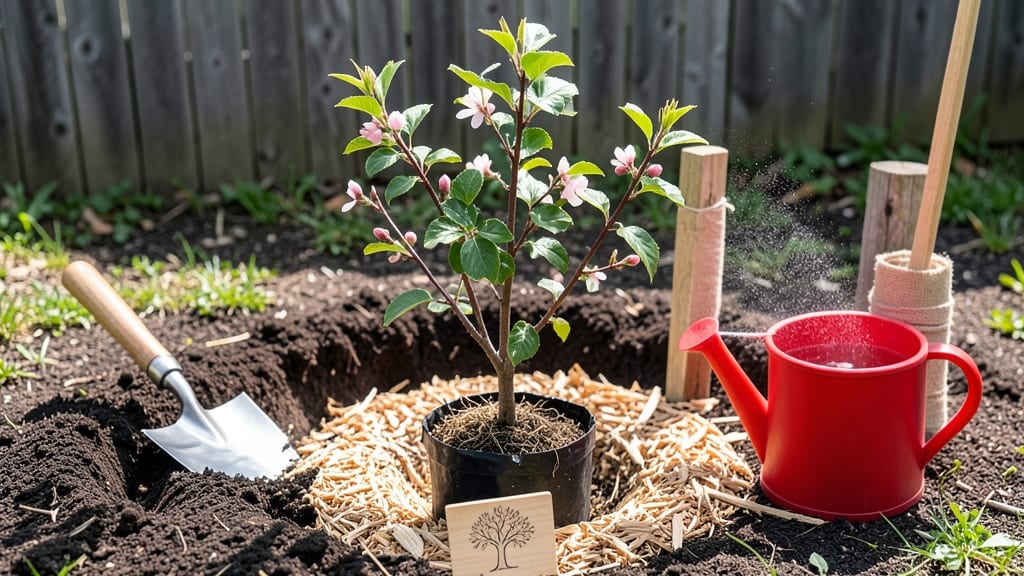
Planting fruit trees in Texas at the wrong time can turn your dream orchard into a costly mistake—thanks to the state’s brutal summers and tricky chill-hour needs. Whether you're in North Texas with its crisp winters or South Texas’s subtropical heat, timing matters more than you think.
The key? Matching varieties to your region’s chill hours and planting when the soil warms up but before the scorching sun arrives.
I’ve spent years watching fruit trees struggle—or thrive—in Texas gardens, and the difference often comes down to one critical window. Most fruit trees need to go in the ground during late winter or early spring, but citrus and subtropical varieties have entirely different rules.
Let me break down exactly when to plant in each Texas region so your trees get off to the best possible start.
Why does this matter? Because planting too early risks frost damage, while waiting too long means your tree won’t establish roots before summer’s heat sets in. We’ll cover the best months for peaches, plums, apples, and even heat-loving figs—plus how to adjust for container planting if space is tight.
Ready to avoid the common pitfalls and set your fruit trees up for success?
From North Texas’s 300+ chill-hour zones to South Texas’s subtropical microclimates, I’ll show you how to pick the perfect planting time for your specific fruit varieties. No more guessing—just proven strategies to help your trees grow strong, bear fruit, and outlast Texas’s extreme weather. Let’s get started.
Texas fruit tree planting calendar: chill-hour zones explained
Texas isn’t just one climate—it’s five distinct chill-hour zones, each dictating the best time to plant fruit trees. These zones measure winter cold exposure, which is critical for varieties like peaches and apples that need dormancy.
In North Texas (Zone 6-7), for example, you’ll find 300+ chill hours, while South Texas (Zone 9-10) drops to 0-300 chill hours, making citrus and subtropical trees the only viable options.
Timing your planting to these zones ensures your tree survives winter and thrives in Texas’ 100°F+ summers. The optimal window is late winter to early spring—typically February through April—when soil temperatures rise above 60°F and frost risk drops.
This gives roots time to establish before the brutal heat arrives.
For high-chill varieties (like Elberta peaches), plant in January-February in North Texas to maximize dormancy. In Central Texas (Zone 8), where chill hours range from 500-700, shift to March-April planting to avoid late frosts.
Meanwhile, South Texas growers can plant citrus or figs year-round, but fall (September-October) is ideal for minimal stress.
Here’s the key: Dormant-season planting (when trees are inactive) reduces transplant shock. Ever noticed how nursery trees bloom in spring? That’s a red flag—they’ve already used their energy. Choose bare-root trees in winter or container-grown trees in spring to avoid this pitfall.
🌱 Texas Fruit Tree Planting by Chill-Hour Zone
| Zone | Chill Hours | Best Planting Window | Top Varieties | Avoid Planting When |
|---|---|---|---|---|
| North Texas (6-7) | 300+ | Jan–Feb (bare-root) or March (container) | Elberta peach, Santa Rosa plum | April–May (summer heat stress) |
| Central Texas (8) | 500–700 | March–April | Sugar Belle peach, Black Diamond fig | November–December (frost risk) |
| South Texas (9-10) | 0–300 | September–October (fall) or February | Tropic Snow citrus, Celeste pear | June–August (extreme heat) |
| High Plains (7) | 600–800 | February–March | Harvest Queen apple, Redhaven cherry | May–July (drought stress) |
💡 Pro Tip: Use a chill-hour calculator (like AgriMet) to verify your zone’s exact hours before selecting varieties.
Why does this matter? Late spring planting (May–June) is a common mistake—trees struggle to establish roots before the heat sets in. I’ve seen newly planted peach trees wilt by July if not given enough time to acclimate.
The solution? Mulch heavily (3–4 inches of wood chips) and deep-water weekly during the first growing season to combat Texas’ alkaline soil and evaporative losses.
Another critical factor is soil temperature. Use a soil thermometer to confirm it’s above 60°F before planting—cold soil stunts root growth. In East Texas (humid subtropical), aim for March planting to avoid fungal diseases that thrive in soggy spring soil.
Meanwhile, West Texas’ arid climate allows for slightly earlier planting (February) thanks to lower humidity.
For container-grown trees, the rules relax slightly—you can plant year-round in South Texas, but fall (September) is still best for minimizing transplant shock. Just ensure your container has drainage holes and use a well-draining potting mix to prevent root rot in the summer heat.
Remember: Texas’ frost risk isn’t just about December. Late spring frosts (April) can still damage new growth, so monitor the National Weather Service’s frost predictions for your area.
If you’re in Zone 8 or warmer, consider windbreaks or microclimate adjustments (like planting near a south-facing wall) to protect young trees.
Finally, prune strategically after planting. Remove only dead or damaged branches—never more than 25% of the canopy—to reduce stress. This is especially true for stone fruits (peaches, plums), which bleed sap heavily if pruned at the wrong
Best fruit trees for Texas by region: low-chill varieties that thrive
Texas’ diverse climate means not all fruit trees thrive statewide. North Texas’ 300+ chill hours support traditional varieties like peaches, while South Texas’ 800+ chill hours demand heat-tolerant citrus. Choosing the right tree for your region ensures bountiful harvests and minimal stress on your plants.
For North Texas (USDA Zones 7-8), prioritize varieties with 400-700 chill hours, such as ‘Sugar Belle’ peaches or ‘Santa Rosa’ plums. These trees handle colder winters but still produce sweet, juicy fruit.
In Central Texas (Zones 8-9), opt for low-chill figs like ‘Black Diamond’ or heat-resistant pears like ‘Seckel’.
South Texas gardeners (Zones 9-11) should focus on tropical and subtropical varieties, including ‘Tropic Snow’ grapefruit, ‘Meyer’ lemons, and ‘Oro’ white peaches. These trees thrive in hotter climates with minimal chill hours, making them perfect for urban containers or backyard orchards.
| Region | Chill Hours | Best Varieties | Planting Tip |
|---|---|---|---|
| North Texas | 400-700 | ‘Sugar Belle’ peach, ‘Santa Rosa’ plum | Plant in late winter (Feb-March) for root establishment before summer heat. |
| Central Texas | 300-500 | ‘Black Diamond’ fig, ‘Seckel’ pear | Avoid early spring planting; wait until April-May when soil warms. |
| South Texas | 0-300 | ‘Tropic Snow’ grapefruit, ‘Meyer’ lemon | Plant in fall (Sept-Oct) to establish roots before summer droughts. |
If you’re in West Texas (High Plains, Zone 7-8), consider drought-tolerant varieties like ‘Elberta’ peaches or ‘Luscious’ apricots. These trees require less water once established and handle hot, dry winds better than traditional varieties.
For urban gardeners or those with limited space, dwarf or semi-dwarf varieties are ideal. ‘Flordagold’ peaches and ‘Bonanza’ figs grow well in containers and can be placed on patios or balconies. Just ensure they receive 6+ hours of sunlight daily.
Always check local nursery recommendations for region-specific advice, as microclimates can vary even within cities. For example, Austin’s hill country may have cooler nights than downtown, affecting chill-hour needs.