
Trees
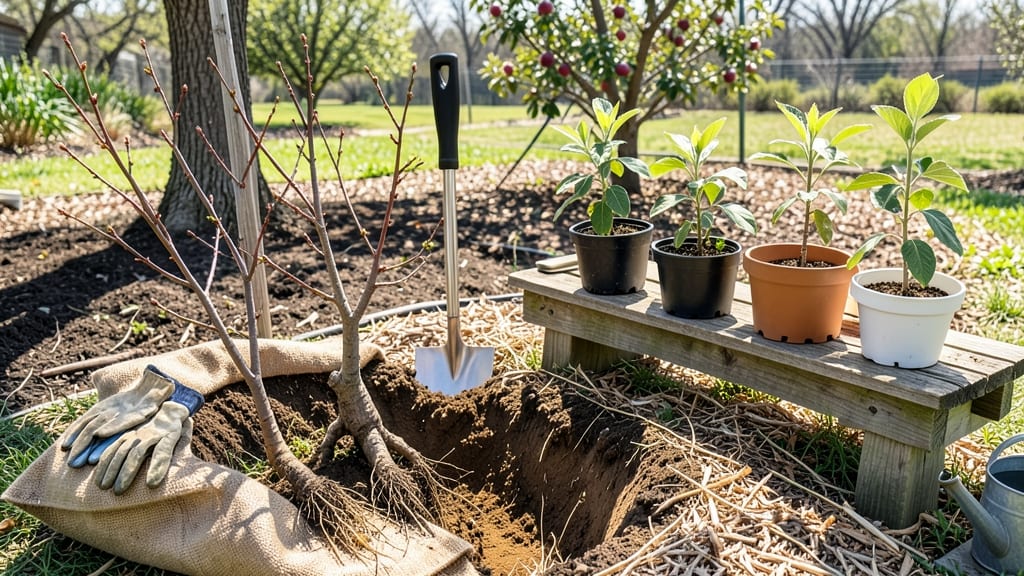
Planting fruit trees in Central Texas isn't just about grabbing a sapling and sticking it in the ground—it's about outsmarting the heat and matching your tree to the region's unique chill-hour demands. 🍎 With USDA zones 8a-8b and scorching summers, timing your planting window could mean the difference between a thriving orchard and a sad, sun-scorched failure.
Most gardeners assume late winter is the only option, but Central Texas's microclimates—from Austin's urban heat islands to Waco's high desert pockets—create opportunities for extended planting seasons.
The key? Understanding how chill-hour requirements (like those for peaches vs. figs) align with your local frost dates, so you're not left scrambling when summer hits.
In this guide, I’ll break down the exact planting windows for Central Texas, including how to adjust for heat zones, soil prep tricks, and which low-chill varieties actually thrive here. No more guessing—just science-backed deadlines to get your fruit trees off to the right start.
Whether you're dreaming of juicy peaches or sweet figs, the secrets to success start with when you plant. Let’s get those roots in the ground the right way.
Central Texas fruit tree planting calendar by chill-hour requirements
Central Texas gardeners face a unique challenge: balancing chill-hour needs with scorching summer heat. Most fruit trees require 300–1,000 chill hours (temperatures between 32°F–45°F) to produce fruit, but our region typically only delivers 300–500 hours in cooler microclimates like the Texas Hill Country.
This means selecting the right varieties—and planting them at the perfect time—is critical for success.
For high-chill varieties like standard peaches (600+ hours), you’ll need to plant 4–6 weeks before your last frost date (usually mid-February to early March) to ensure roots establish before summer stress hits. Low-chill varieties (300–500 hours), such as ‘TropicSweet’ peaches or ‘Black Diamond’ figs, offer more flexibility and can even handle late spring planting with proper care.
Your USDA Zone (8a–8b) and microclimate (urban heat islands vs. rural areas) will shift your ideal window. For example, Austin’s last frost average is February 15, while San Antonio’s is February 20.
Always check your local first frost date (around November 15) to avoid planting too late in the season.
Here’s your Central Texas Fruit Tree Planting Calendar broken down by chill-hour categories and planting deadlines to maximize survival and fruit production:
| Fruit Tree Variety | Chill-Hour Needs | Ideal Planting Window | Key Notes |
|---|---|---|---|
| Peaches (e.g., ‘TropicSweet’) | 300–400 hours | Late Feb–Early April | Heat-tolerant; plant after last frost |
| Plums (e.g., ‘Santa Rosa’) | 400–500 hours | Mid-Feb–Mid-March | Drought-resistant; mulch heavily |
| Figs (e.g., ‘Black Pearl’) | 0–200 hours | Feb–May (even summer!) | Heat-loving; shade cloth helps |
| Pecans (e.g., ‘Desirable’) | 500–600 hours | Late Jan–Early Feb | Slow grower; plant early |
| Apples (e.g., ‘Dorsett Golden’) | 600–800 hours | Late Dec–Early Jan | Risky in Central TX; needs irrigation |
Pro tip: If you’re planting bare-root trees (common in winter), do it as soon as they arrive—they dry out quickly in our warm winters.
For container-grown trees, you can plant up to 6 weeks later (through April) as long as you water deeply and use mulch to retain moisture.
Missed the spring window? Heat-tolerant varieties like figs, pomegranates, and ‘Sugar Belle’ peaches can be planted in late spring (May) with shade cloth and drip irrigation. Just be prepared for slower initial growth until roots adapt to the heat.
Remember: Soil temperature matters just as much as air temperature. Wait until the ground warms to at least 60°F (use a soil thermometer) before planting—cold soil can stunt root growth. In Central Texas, this usually aligns with mid-March for most varieties.
Once planted, mulch heavily (3–4 inches of organic mulch) to protect roots from summer heat and winter cold. This simple step can double your tree’s survival rate in our extreme climate.
🌱
How to adjust planting dates for Central Texas heat zones (8a–9a)
Central Texas’s USDA Zones 8a–9a bring intense summer heat, so adjusting planting dates based on your microclimate and heat tolerance of your fruit tree is critical. Urban areas like Austin can hit 100°F+ by May, while rural spots near Waco may cool slightly earlier.
Heat-tolerant varieties like figs and pomegranates can handle summer planting, but most stone fruits need cooler months to thrive.
Start by checking your last frost date (typically February 15) and work backward. For high-chill varieties (600+ hours), plant 4–6 weeks before last frost—usually January–early March. Low-chill varieties (300–500 hours) can wait until March–April, but avoid planting after April 15 to prevent summer stress.
Use this 3-step heat-zone adjustment method:
- Identify your microclimate (urban vs. rural).
- Match your tree’s chill hours to Central Texas averages.
- Adjust planting dates based on soil temperature (ideal: 60–70°F).
Plant figs or pomegranates in late winter (Feb) or summer (July–Aug) with shade cloth. Avoid planting peaches after March 15.
Extend planting to April 1 for low-chill varieties like ‘TropicSweet’ peaches. Soil warms faster, so mulch heavily to retain moisture.
Plant apricots or cherries in November–December to avoid summer drought. These areas have cooler nights but still need winter chill.
For summer planting (July–August), focus on heat-tolerant varieties like Black Mission figs or Texas Red mulberries. Water deeply 3x/week and use 3–4 inches of mulch to protect roots. Avoid planting stone fruits in summer—they’ll bolt to flower and struggle with heat stress.
Pro tip: Use a soil thermometer to confirm soil temps are 60°F+ before planting. If temps exceed 85°F, delay until fall (September–October) for low-chill varietiesFall planting risks frost damage, so prioritize root establishment over early growth.
Central Texas’s unpredictable weather means flexibility is key. Monitor local AgriLife Extension updates and adjust your timeline based on rainfall patterns—drought years may require earlier planting to ensure survival. With the right adjustments, your fruit trees will thrive despite the heat! 🌡️💧