
Trees
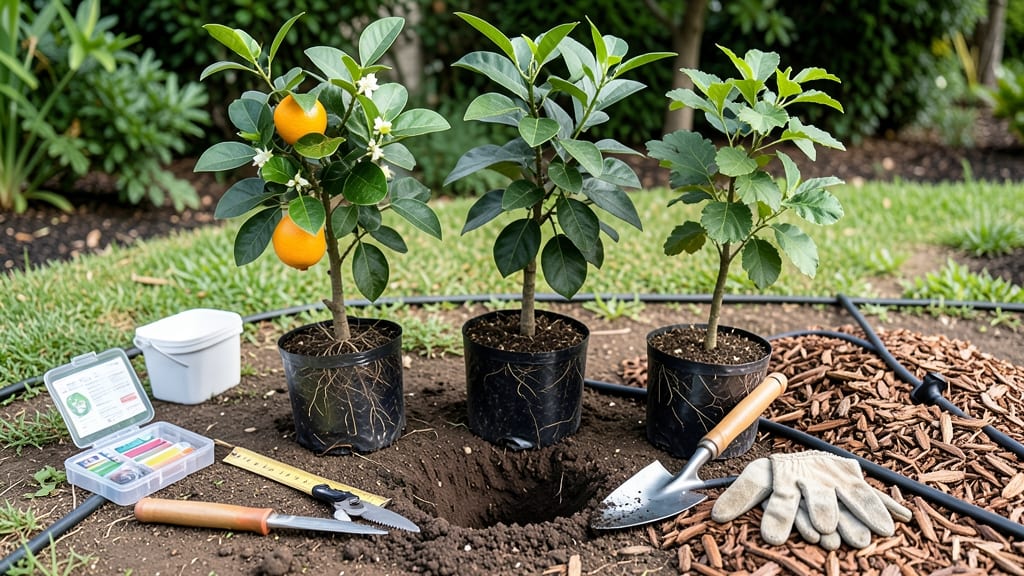
Planting fruit trees in California at the wrong time can mean wasted effort—or even lost trees—due to unexpected frost. But timing it right guarantees strong root growth, early blooms, and a bumper harvest.
The key lies in understanding your microclimate, whether you're in coastal San Diego or the Central Valley's heat.
Most gardeners assume spring is the only window, but California's diverse zones demand precision. Coastal areas can plant as early as November, while inland valleys wait until February to avoid late frosts.
Stone fruits like peaches need chilling hours, while citrus thrives in warmer soil—knowing these differences makes all the difference.
I've helped dozens of California growers nail their planting windows, and the results speak for themselves: trees that establish faster, fruit earlier, and resist disease better. Let me show you exactly how to match your location with the perfect timing—no guesswork required.
From soil temperature tests to frost date tracking, we'll cover everything you need to plant with confidence. Whether you're starting with bare-root saplings or container-grown trees, these insights will help you avoid common mistakes that derail even the most eager gardeners.
California’s 5 best planting months for fruit trees by microclimate (avoid frost zones!)
California’s diverse climate means one planting window doesn’t fit all. Coastal areas like San Diego thrive with November–January plantings, while inland valleys (Sacramento, Fresno) wait for February–March when soil warms.
Desert regions (Palm Springs) can even plant through April, but high-elevation zones (Mount Shasta) must plant by late April to avoid frost.
Citrus trees—like lemon or orange—need 60–90 frost-free days before planting. Stone fruits (peaches, plums) demand chilling hours (300–700) and should go in late winter when dormancy ends. Nuts (almonds, walnuts) prefer bare-root planting in winter for root establishment.
Your microclimate matters more than the calendar. Urban heat islands (LA, San Jose) can plant 2–4 weeks earlier than rural areas. Mountain foothills (Santa Cruz Mountains) risk late frosts—wait until after April 15 for safety.
🌱
For bare-root trees, plant as soon as roots arrive—don’t let them dry out. Container-grown trees can go in anytime soil isn’t frozen, but spring is best for root establishment. Amend soil with compost and a balanced fertilizer (10-10-10) before planting to boost early growth.
Pro tip: Test your soil’s pH (6.0–7.0 for most fruit trees). Citrus prefers slightly acidic (6.0–6.5), while stone fruits like alkaline (7.0–7.5). Adjust with lime or sulfur if needed.
After planting, mulch heavily (3–4 inches) to retain moisture and regulate soil temperature. Water deeply 2–3 times per week for the first year—shallow watering stresses young roots. Avoid overhead sprinklers to prevent fungal diseases like peach leaf curl.
🌿
Missed the window? Don’t panic. Container-grown trees bought outside optimal months can be planted anytime soil is workable, but expect slower initial growth. For bare-root trees, store them in a cool, moist place (like a garage) and plant as soon as conditions improve.
High-elevation gardeners should prioritize cold-hardy varieties like apricots or cherries over peaches, which need chilling hours. Coastal gardeners can experiment with subtropicals like loquats or pomegranates, which tolerate mild winters.
How to check your local frost dates (and why it matters more than calendar months)
California’s frost-free seasons vary wildly—even within 50 miles. A coastal area like Santa Barbara might have 360 frost-free days, while inland Fresno only averages 200 days.
Planting your peach tree in November in the Central Valley could mean frost damage, but the same tree thrives in San Diego’s mild winters. Your calendar month means nothing without local frost data.
Start by checking the USDA Plant Hardiness Zone Map for your exact ZIP code. California spans zones 5-11, but microclimates create pockets where zone 9b sits next to 7a.
Use tools like the National Weather Service’s frost prediction maps or apps like PlantNet to overlay historical frost dates with your planting plans. These show last frost dates (when it’s safe to plant) and first frost dates (when to cover young trees).
Next, account for your microclimate shifts. Urban areas like Los Angeles can be 5-10°F warmer than rural spots due to heat islands. Mountain foothills (e.g., Napa Valley) may see frost 2-3 weeks earlier than nearby valleys.
Even your yard’s slope matters—cold air sinks, so low-lying areas freeze first. Use a minimum thermometer for a week to record nighttime temps in your exact planting spot.
For bare-root trees, aim to plant 6-8 weeks before your area’s last frost date. This gives roots time to establish before active growth begins. If you’re planting container-grown trees, extend your window by 2-3 weeks—their roots are less frost-sensitive.
Always check local agricultural extensions (e.g., UCDavis or UCMasterGardeners) for region-specific deadlines. Their data often includes unexpected frost pockets not captured in national maps.
Pro tip: Use frost cloth or row covers if you’re pushing the envelope on late planting. These can add 4-6°F protection, buying you 2-3 extra weeks in cooler microclimates. Just remove them by 10 AM to avoid heat stress during the day.
For citrus trees, even a light frost (28°F) can cause leaf burn, so always plant after your area’s last 28°F frost.
Remember: Soil temperature matters just as much as air temperature. Use a soil thermometer—roots need 60°F+ soil to thrive. If your last frost is April 15 but soil stays 50°F until May 1, wait for the soil to warm.
Cold soil stunts root growth, setting your tree up for stress and poor yields later. Patience now = bigger harvests later. 🌱