
Trees
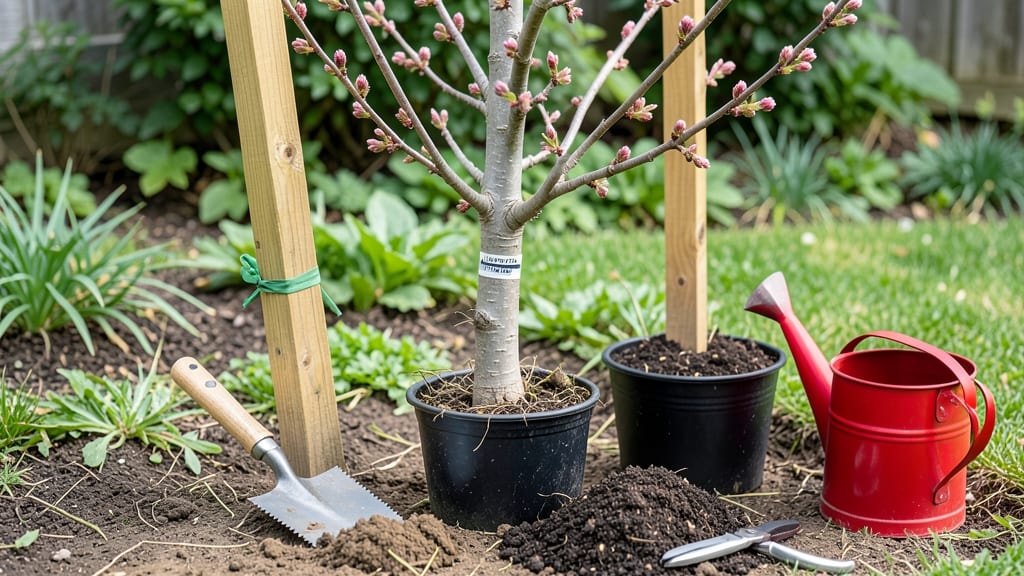
Timing is everything when you plant fruit trees in Washington—get it wrong, and your 🍎🍐🍑 could end up struggling or even dying before they bear fruit.
The state’s diverse climate means what works in Seattle won’t cut it for Spokane, and knowing the exact window to plant (fall vs. spring) can mean the difference between a thriving orchard and wasted effort.
Washington’s 5b-8b zones and unpredictable frost patterns make the decision more complex than just picking a season. Whether you’re planting bare-root saplings in late winter or container-grown trees in early fall, the chill-hour requirements of your chosen variety—and your local last-frost date—dictate success.
Skip these details, and you might end up with trees that bloom too early or fail to fruit at all.
I’ve spent years learning the tricks to navigate Washington’s climate, from coastal mildness to inland freezes, and I’m here to share the exact timelines you need.
You’ll discover how to match your fruit trees to your region’s frost-free dates, prepare soil for maximum root growth, and avoid the 3 biggest mistakes that kill young trees before they even take hold.
Ready to plant with confidence? Let’s break down the science—and the simple steps—so your fruit trees grow strong, bear fruit, and reward you with harvests for years to come.
Washington’s chill-hour zones: matching fruit trees to your climate
Washington’s diverse climate creates unique challenges—and opportunities—for growing fruit trees. Unlike many states, Washington’s chill-hour requirements vary dramatically from the coastal rainforests to the dry inland valleys. These chill hours (the number of hours below 45°F) determine whether your apple tree will produce fruit or just leaves.
For example, apples need 500-1,200 chill hours, while peaches thrive with just 200-500 hours.
In Western Washington (e.g., Seattle, Olympia), mild winters mean fewer chill hours (200-500 hours), making varieties like Lapins cherry or Honeycrisp apple (low-chill) ideal. Meanwhile, Eastern Washington (e.g., Spokane, Wenatchee) often sees 800-1,200+ chill hours, perfect for classic Granny Smith apples or Bing cherries.
The Cascade foothills fall in between, offering a buffer for mid-range varieties.
Here’s how to match your location to the right trees using Washington’s chill-hour zones:
If you’re unsure about your exact chill hours, check the Washington State University Extension chill-hour map or use a home weather station to track overnight lows. For urban gardens, microclimates (like a sunny south-facing wall) can add 50-100 extra chill hours, expanding your options.
For example, a Spokane backyard might support Bing cherries (900+ hours), while a Seattle rooftop garden could only handle Lapins cherries (300-400 hours).
Choosing the wrong variety can lead to poor fruit set or even no fruit at all. For instance, planting a Granny Smith apple in Bellingham (only ~400 chill hours) will likely result in no harvest, while the same tree in Wenatchee (1,000+ hours) will produce abundantly.
Always verify a variety’s chill-hour range before purchasing, especially for stone fruits like peaches and plums, which are more sensitive to chill-hour deficits.
Pro tip: Dwarf and semi-dwarf trees are excellent choices for Washington gardens because they mature faster and can be planted closer together. This is especially useful in small urban yards where space is limited.
For example, a dwarf Honeycrisp apple tree will bear fruit in 3-5 years compared to 5-7 years for a standard-sized tree. Just ensure your dwarf tree is grafted onto a dwarfing rootstock like M.9 or B.9 for optimal performance.
Another critical factor is pollination. Many fruit trees require a second variety for cross-pollination to produce fruit. In Washington, this is less of an issue for self-pollinating varieties like Honeycrisp apple or Reliance peach, but cherries and plums often need a second tree within 50 feet.
Planting two compatible varieties (e.g., Bing cherry and Rainier cherry) ensures a reliable harvest. Always check the pollination group listed on seed packets or nursery tags.
Washington’s diverse climate means your planting timeline should depend on whether you live in the coastal West, drier East, or Cascade foothills. Each region has different frost-free dates and soil conditions that affect when you should plant your fruit trees for the best success. For Western Washington (coastal areas), the last frost typically occurs between March 1 and April 1, giving you a longer planting window. In contrast, Eastern Washington (like the Palouse) often sees its last frost between March 15 and April 15, meaning you’ll need to plant slightly later to avoid late frosts damaging young trees. Here’s a quick comparison to help you decide when to plant based on your region: If you’re planting bare-root trees, aim for late winter to early spring (February to April) when the ground is workable but before buds break. For container-grown trees, you can plant year-round except in winter, but fall planting is ideal for establishing roots before winter. Before planting, prepare your soil by adding compost or well-rotted manure to improve fertility and drainage. In Western Washington, where soils can be heavy clay, mixing in organic matter is especially important. In Eastern Washington, focus on improving drainage if your soil is sandy. For all regions, choose a sunny, sheltered location to protect young trees from harsh winds and late frosts. Mulch around the base to retain moisture and regulate soil temperature, especially during Washington’s unpredictable spring weather. Once planted, water deeply to encourage root growth, and avoid overwatering in the first few weeks to prevent root rot. With the right timing and care, your fruit trees will thrive and reward you with bountiful harvests for years to come! 🍎🌳Best planting timelines by Washington region: frost-free dates & soil prep
Region
Last Frost Date
Best Planting Months
Soil Prep Tip
Western WA (Coastal)
March 1 - April 1
September - October (fall) or March - April (spring)
Amend heavy clay soil with compost
Eastern WA (Palouse)
March 15 - April 15
October (fall) or April (spring)
Improve drainage in sandy soil
Central WA (Cascade Foothills)
March 10 - April 10
September - October (fall) or March - April (spring)
Test for acidic soil (pH 6.0-7.0 ideal)