
Trees
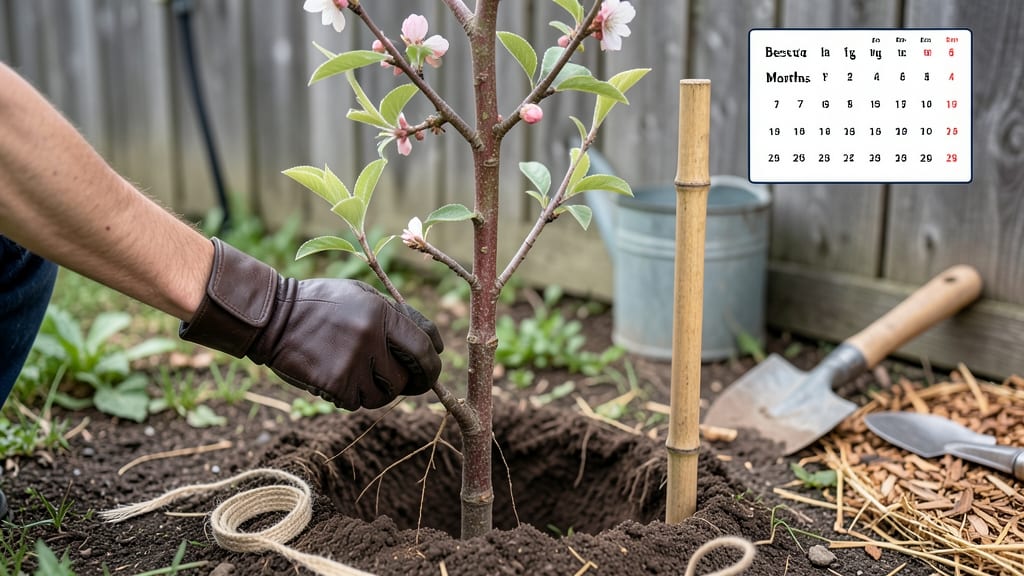
Planting fruit trees 🍎 in Kentucky at the wrong time can mean the difference between a thriving orchard and years of disappointment—especially when chill-hour needs clash with your local climate. Whether you're dreaming of crisp apples from the Bluegrass Region or juicy peaches from the Pennyrile Plateau, timing is everything.
Most Kentucky gardeners know the ideal window is late winter to early spring or fall, but did you know that high-chill varieties like apples need those cold winter hours to produce fruit?
Meanwhile, low-chill peaches and figs have different rules entirely. Let’s break down exactly when to plant each type for your specific USDA zone—5b through 8a—so you can avoid costly mistakes.
From preparing well-draining soil to matching your tree’s needs with Kentucky’s 150-210 frost-free days, I’ll walk you through every step. Whether you’re a first-time planter or a seasoned gardener, these insights will help you choose the perfect moment for planting—and set the stage for a harvest you’ll actually enjoy.
Ready to turn your backyard into a fruit-filled paradise? Let’s get started with the critical timing and variety matching you need for success.
Best planting months for Kentucky fruit trees by chill-hour needs
Kentucky’s diverse climate zones and chill-hour requirements make timing critical for fruit tree success. Most varieties thrive when planted during dormant seasons—either late fall (October-November) or early spring (February-April). Fall planting allows roots to establish before winter, while spring planting avoids frost risks and aligns with bud break.
High-chill varieties like apples and pears (requiring 600-1,000 chill hours) need Kentucky’s cooler months. Low-chill varieties such as peaches and figs (300-500 chill hours) can tolerate slightly later spring planting. Always check your USDA zone (5b-8a)—northern Kentucky (zone 5b) has stricter deadlines than southern areas (zone 7a).
Here’s how to match your fruit tree variety to Kentucky’s optimal planting window:
| Variety | Chill Hours | Best Planting Window | Kentucky Region |
|---|---|---|---|
| Apple (e.g., Honeycrisp, Fuji) | 600-1,000 | October-November (fall) or February-March (spring) | All regions (5b-7a) |
| Peach (e.g., Redhaven, Elberta) | 300-500 | March-April (spring only) | Southern KY (6a-8a) |
| Pear (e.g., Bartlett, Anjou) | 500-800 | October-November (fall) or February (spring) | Northern KY (5b-6b) |
| Cherry (Sweet: e.g., Stella, Sour: e.g., Montmorency) | 500-1,000 (sweet), 800-1,200 (sour) | October-November (fall) or February-March (spring) | All regions (5b-7a) |
| Fig (e.g., Chicago Hardy, Celeste) | 100-300 | March-April (spring only) | Southern KY (7a-8a) |
🌱 Pro Tip: Container-grown trees can be planted 1-2 weeks later than bare-root varieties.
For northern Kentucky (USDA zones 5b-6a), prioritize fall planting (October-November) to avoid early spring frosts. In southern Kentucky (zones 7a-8a), late winter to early spring (March-April) works well for low-chill varieties. Always plant 2-4 weeks before your average last frost date—March 15 for most of the state.
Soil temperature matters too. Roots need 40-50°F soil to establish. Use a soil thermometer to confirm—cold, wet soil can stunt growth. Amend clay-heavy Kentucky soils with compost or sand to improve drainage, especially for peaches and plums.
If you miss the ideal window, bare-root trees can handle late spring planting (May) as long as they’re watered deeply. Container-grown trees offer more flexibility but cost more. Never plant in summer—heat stress kills young roots.
Local nurseries like Kentucky Nursery or Horticulture Research Institute offer region-specific varieties. Ask about dwarf rootstocks (e.g., M.9 for apples) if space is limited—they fruit faster and fit urban yards.
After planting, mulch heavily (3-4 inches of wood chips) to retain moisture and regulate soil temperature. Water deeply once a week for the first year, aiming for 10-15 gallons per tree. Avoid overhead watering to prevent fungal diseases like apple scab.
Timing isn’t just about months—it’s about chill hours and microclimates. Next, we’ll dive into how to match Kentucky’s three distinct regions to the perfect fruit tree variety for your yard. 🌳
Best planting months for Kentucky fruit trees by chill-hour needs
Kentucky’s diverse climate zones (USDA 5b-8a) mean your chill-hour needs dictate the perfect planting window. Most fruit trees thrive when planted during their dormant season, but timing varies by variety.
For high-chill trees like apples and pears (600-1,000 hours), aim for late fall (October-November) or early spring (March-April) before buds swell.
Low-chill varieties such as peaches, figs, and plums (300-500 hours) have more flexibility, allowing spring planting (March-May) in warmer zones like Western Kentucky (Zone 7a-8a). Always check your last frost date—Kentucky’s average is March 15, but microclimates can shift this by weeks.
| Variety | Chill-Hour Needs | Best Planting Window | Notes |
|---|---|---|---|
| Apples | 800-1,000 hrs | Oct-Nov (fall) or Mar-Apr (spring) | Dormant planting reduces transplant shock |
| Peaches | 300-500 hrs | Mar-May (spring only) | Avoid fall planting in Zone 7a+ |
| Pears | 600-800 hrs | Oct-Nov (fall) or Feb-Mar (early spring) | Bare-root pears establish faster in cool soil |
| Figs | 100-300 hrs | Apr-May (spring) or Sep-Oct (fall) | Heat-tolerant; avoid winter damage |
For bare-root trees, Kentucky’s fall planting (October-November) is ideal because cooler temps and moisture help roots establish before winter. If you miss this window, early spring (March) works for most varieties—just be sure to water deeply after planting to combat Kentucky’s clay-heavy soils.
Pro tip: Container-grown trees can be planted year-round, but avoid extreme heat or frost. If you’re in Zone 6b (Northern KY), prioritize high-chill varieties like Honeycrisp apples or Bartlett pears. Southern KY gardeners (Zone 7a+) can experiment with low-chill plums or figs for reliable harvests.
Remember, soil temperature matters too. Aim for 40-60°F soil temps when planting—use a soil thermometer if unsure. In Western KY’s warmer microclimates, you might push spring planting to May, but always monitor bud break to avoid frost damage.
Don’t overlook rootstock compatibility—some varieties thrive better on dwarfing rootstock in Kentucky’s compact yards. Pair Gala apples with M.9 rootstock for smaller trees, or opt for standard rootstock like MM.111 for larger varieties like Granny Smith.