
Trees
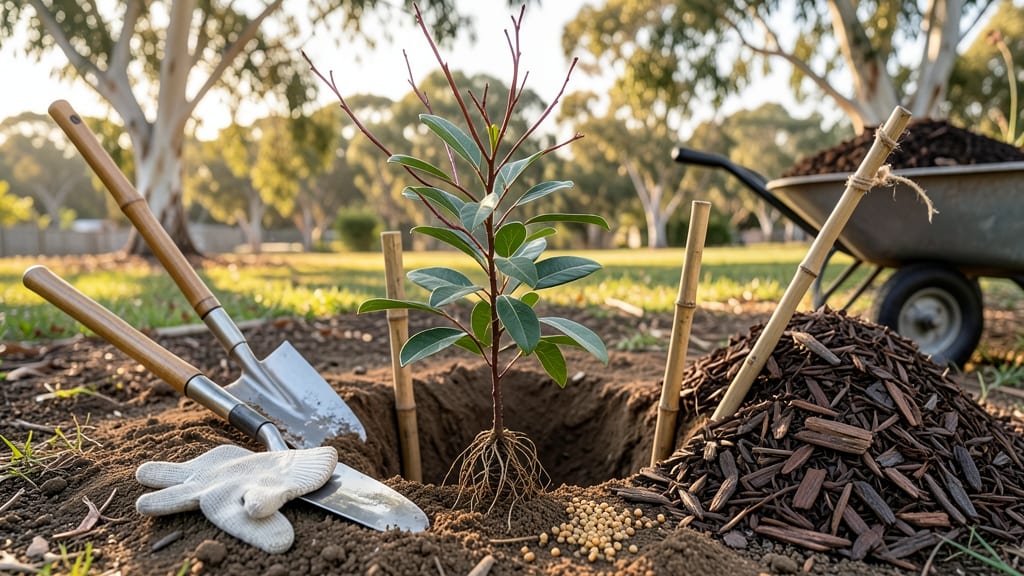
Timing your fruit trees 🍎🍑🍌 planting in New Zealand isn’t just about picking a month—it’s about matching your region’s microclimate to avoid frost damage and ensure strong root growth. Whether you’re in frost-prone Wellington or subtropical Northland, planting at the wrong time could mean struggling trees or lost harvests.
Most gardeners swear by autumn to early winter (March–July) for temperate varieties, but warmer zones like Northland let you plant year-round. The key? Understanding your local frost dates—late August in the South Island vs. October in the North—so you’re not caught off guard when temperatures drop.
In this guide, I’ll break down the best months to plant by region, including soil prep tips and frost-smart strategies. You’ll learn how climate zones shape your success, from citrus thriving in Northland’s heat to apples needing Wellington’s cooler autumns.
Ready to set your fruit trees up for a bountiful harvest? Let’s dive into the timing that makes all the difference.
Best planting months for fruit trees in New Zealand by region
New Zealand’s diverse climate means the best time to plant fruit trees depends heavily on your region. In the North Island, warmer temperatures allow for a longer planting window, while the South Island’s cooler zones demand precise timing to avoid frost damage.
Whether you’re growing apples in Canterbury or citrus in Northland, understanding these regional differences is key to success.
For most temperate fruit trees like apples, pears, and stone fruits, the ideal planting window is autumn to early winter (March–July). This gives roots time to establish before winter dormancy.
In warmer regions like Auckland or Northland, you can plant citrus or avocado trees year-round, but autumn remains the safest bet for best results.
Frost risk is the biggest factor in South Island regions like Dunedin or Christchurch. Planting too late in spring can leave young trees vulnerable to late frosts, which can kill emerging buds. Aim to plant at least 6–8 weeks before the first frost, typically by mid-May in these areas.
| Region | Best Planting Months | Key Considerations | Fruit Tree Examples |
|---|---|---|---|
| Northland | Year-round (best: March–May) | Frost-free; high humidity | Citrus, avocado, mango, feijoa |
| Auckland | March–July (best: April–May) | Mild winters; occasional frost | Apple, pear, plum, cherry |
| Wellington | April–June (best: May) | Cooler summers; frost risk | Apple, quince, raspberry |
| Canterbury | March–April (best: April) | Cold winters; late frosts | Apple, pear, apricot |
| Dunedin | March–April (best: April) | Short growing season; frost-prone | Apple, cherry, currant |
If you’re planting bare-root trees, the autumn window (March–May) is ideal—they establish roots before winter dormancy. For container-grown trees, you have more flexibility and can plant almost year-round in frost-free zones like Northland, but autumn still offers the best conditions for root growth.
In cooler regions like Otago or Southland, avoid planting in late spring (September–October) unless you’re using frost-hardy varieties. Young trees planted too late may not harden off in time for winter, leading to root damage or death.
Instead, opt for autumn planting and protect with mulch or frost cloths if needed.
For citrus and subtropical trees in Northland or Bay of Plenty, timing is less critical, but autumn planting (March–May) still gives the best start. These trees thrive in warmth and humidity, so avoid planting during hot, dry spells that can stress young roots.
Water deeply after planting to encourage root spread.
One pro tip: If you miss the autumn window, late winter (August) is your next best option. Just ensure the soil isn’t waterlogged or frozen—well-draining soil is critical for root health.
In warmer regions, you can even plant in early spring (September), but be prepared for summer watering needs.
Regardless of region, always prepare the soil 4–6 weeks before planting. Test your soil pH (ideal: 6.0–7.0 for most fruit trees) and amend with compost or organic matter for better drainage. A well-pre
How climate zones affect fruit tree planting success in NZ
New Zealand’s diverse climate zones—from subtropical Northland to alpine South Island—dramatically impact when and how you should plant fruit trees. Each zone has unique frost-free periods, soil temperatures, and rainfall patterns that dictate the best planting window for your variety.
Understanding these factors ensures your tree establishes strong roots before its first harvest.
For example, citrus trees thrive in subtropical zones like Northland (Zone 10a), where frost is rare, allowing year-round planting. Meanwhile, apple and pear trees in Wellington (Zone 8a) need to be planted in autumn or late winter to avoid late spring frosts that can damage blossoms.
Let’s break down how each zone influences planting timing and care.
Another critical factor is soil temperature. Fruit tree roots struggle to grow in cold soil, so wait until the ground warms to at least 10°C (measured 10cm deep). In cooler regions like Canterbury or Otago, this often means delaying planting until late autumn or early spring.
Use a soil thermometer to check—it’s a small investment for big results!
Don’t overlook microclimates within your region. A sheltered spot near a north-facing wall can extend your growing season by 2–4 weeks, while low-lying areas may experience earlier frosts.
For example, Hawke’s Bay (Zone 9a) can support subtropical crops in warmer microclimates but still needs frost protection for stone fruits in cooler pockets.
Pro tip: If you’re planting in spring (September–November), choose container-grown trees over bare-root varieties—they establish faster in warm soil. For autumn plantings, prioritize bare-root trees to take advantage of cooler temps and reduced pest activity.
Either way, mulch heavily to insulate roots and retain moisture during NZ’s unpredictable seasons.
🌱