
Trees
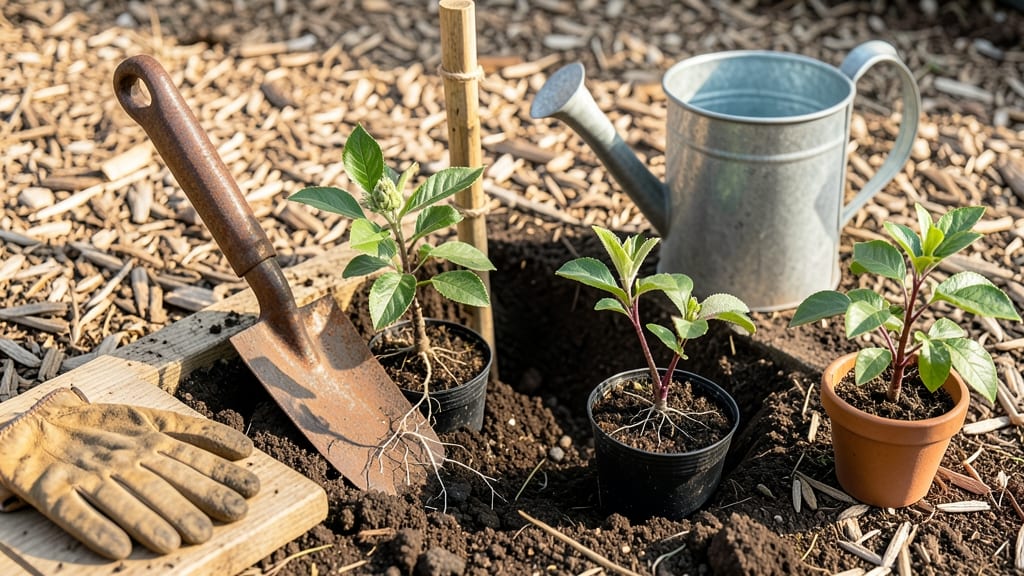
Planting a 🍎 fruit tree in South Carolina at the wrong time could mean the difference between a thriving orchard and years of disappointment. The key isn't just picking the right season—it's matching your tree's chill-hour needs to SC's 7b-8b climate for reliable harvests.
Most gardeners assume spring is the only option, but late winter (February-March) gives roots time to establish before summer heat. Peaches and apples need 400-800 chill hours, while citrus thrives with none—planting them together would be a costly mistake.
I'll show you exactly when to plant each variety, how to prep your soil for SC's sandy loam, and when to watch for that mid-March frost that catches so many off guard. With these simple steps, you'll avoid the most common planting blunders.
Ready to grow fruit trees that actually produce? Let's get your orchard off to the right start—no guesswork, just proven timing for your specific varieties.
Best planting months for South Carolina fruit trees by chill-hour requirements
South Carolina's USDA Zones 7b-8b create a unique challenge for fruit tree growers—balancing chill-hour needs with our mild winters. Most peaches and apples require 300-800 chill hours, while citrus varieties thrive with zero chill hours.
Planting at the wrong time can mean stunted growth or no fruit production at all.
For peaches, apples, and pears, the ideal planting window is late winter to early spring (February-March), giving roots time to establish before the last expected frost (typically mid-March). Citrus trees, however, should go in early spring (March-April) to avoid winter cold snaps that can damage tender young bark.
Here’s how to match your fruit tree variety to South Carolina’s planting timeline based on chill-hour needs and frost risks:
| Fruit Type | Chill-Hour Needs | Best Planting Month | Frost Risk | SC-Specific Tip |
|---|---|---|---|---|
| Peaches | 400-800 hours | Late February-March | High (Feb-March) | Choose low-chill varieties like 'Redhaven' or 'Luscious' for SC. |
| Apples | 500-900 hours | February-March | High (Feb-March) | 'Anna' or 'Ein Shemer' apples adapt well to SC’s moderate chill. |
| Pears | 300-500 hours | Late February-March | High (Feb-March) | 'Kieffer' pears thrive in SC’s mild winters. |
| Citrus (Oranges, Lemons) | 0-100 hours | March-April | Low (Winter only) | Plant after last frost to avoid cold damage. |
| Figs | 200-400 hours | March-April | Low (Winter only) | 'Celeste' figs are drought-tolerant and perfect for SC. |
If you plant in fall (October-November), do so at least 6-8 weeks before first frost to allow roots to establish. This works best for bare-root trees purchased from nurseries. Avoid planting in summer—the heat stresses young trees and reduces root growth.
South Carolina’s microclimates add another layer of complexity. Coastal areas (like Charleston) have warmer winters and fewer chill hours, while inland regions (like Greenville) experience colder snaps. Always check your local frost dates and adjust planting by 2-4 weeks if needed.
One of the biggest mistakes I see is planting too early (January) for chill-sensitive trees. The ground may be workable, but the air temperatures can still drop below freezing at night. Young roots are vulnerable, and frost can kill them before they’ve had a chance to grow.
For container-grown trees, you have slightly more flexibility—plant them anytime the ground isn’t frozen (March-April). Just be sure to water deeply after planting to reduce transplant shock in our hot, humid summers.
Pro tip: Mulch heavily (3-4 inches of organic mulch) after planting to retain moisture and regulate soil temperature. This is especially critical in Zone 8a areas where summers can be brutally hot.
Best planting months for South Carolina fruit trees by chill-hour requirements
South Carolina’s mild winters and hot summers create unique challenges for fruit tree planting. Unlike northern states, chill-hour requirements (the number of hours below 45°F needed to break dormancy) dictate the best planting windows.
Most peaches, apples, and pears need 300-800 chill hours, while citrus and figs thrive with 0-200 chill hours—meaning timing varies wildly.
For high-chill varieties (500+ hours), like 'Redhaven' peaches, aim for late winter to early spring (February-March)—just before buds swell.
This gives roots time to establish before spring heatwaves arrive. Low-chill varieties (0-300 hours), such as 'Tropicana' peaches or 'Satsuma' oranges, can even plant in fall (October-November), avoiding winter cold snaps.
Here’s how South Carolina’s USDA Zones 7b-8b influence planting:
- Zone 7b (colder inland areas): Plant peaches and apples in February-March to avoid late frosts.
- Zone 8a (coastal regions): Citrus and figs can plant year-round, but spring (March-April) is ideal for other varieties.
- Avoid planting in summer—heat stress and drought stunt root growth.
🌱 South Carolina Fruit Tree Planting Guide by Chill Hours
| Variety | Chill Hours | Best Planting Month | SC-Specific Tip |
|---|---|---|---|
| Peaches (Redhaven, Elberta) | 500-800 | February-March | Plant before buds swell to avoid frost damage. |
| Apples (Anna, Golden Delicious) | 400-600 | February-March | Use dwarf rootstock for smaller spaces. |
| Pears (Bartlett, Anjou) | 300-500 | February-April | Avoid waterlogged soil in coastal areas. |
| Citrus (Satsuma, Meyer Lemon) | 0-200 | October-March | Protect from freezing temps with frost cloth. |
| Figs (Celeste, Brown Turkey) | 100-300 | March-April | Plant in well-draining soil to prevent root rot. |
💡 Pro Tip: Test your soil’s pH (6.0-7.0 ideal) before planting—SC’s sandy soils often need organic matter for moisture retention.
If you’re in Upstate SC (higher chill zones), prioritize peaches and apples in February. Coastal gardeners (Zone 8a) can extend planting to April for low-chill varieties, but avoid planting after May—summer heat stresses young roots.
Always check the last frost date for your area (typically mid-March inland, February coastally). Planting 4-6 weeks before ensures roots establish before spring blooms drain energy. For bare-root trees, plant immediately upon arrival to prevent root desiccation.
Remember: Citrus and figs are evergreen and can handle mild winters, but peaches and apples need dormancy—planting in winter gives them the chill hours they crave. With the right timing, your SC orchard will reward you with decades of harvests! 🌳