
Trees
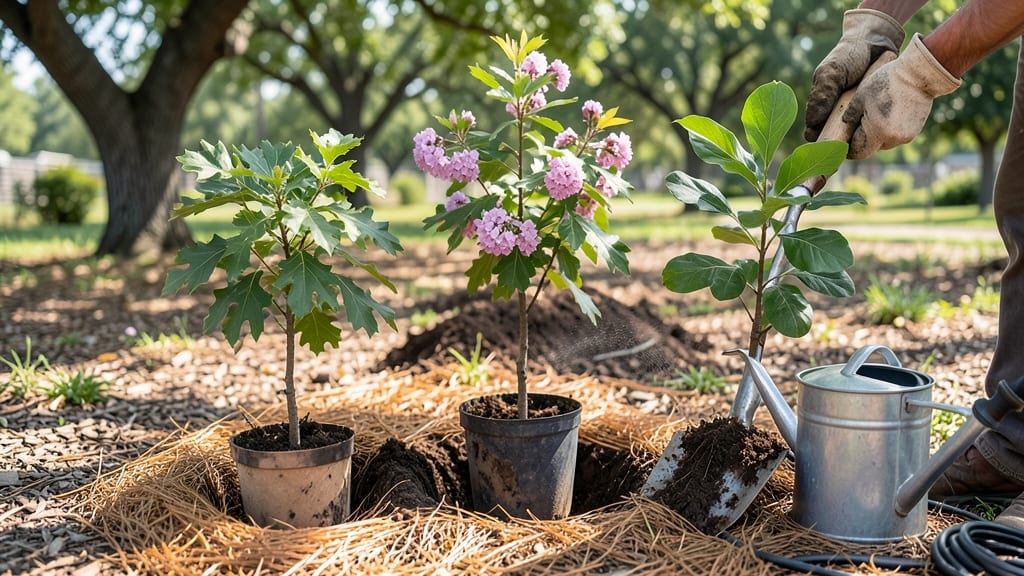
Planting a tree in North Texas at the best time to plant trees in north texas could mean wasted effort—and your 🌳 might never reach its full potential.
With USDA Zone 8a’s unpredictable weather swings, timing isn’t just important; it’s the difference between a thriving tree and one that struggles just to survive.
Most gardeners in North Texas know fall and early spring are ideal, but did you know there’s a sweet spot within those seasons? Missing it could leave your tree vulnerable to heat stress or early frost.
I’ll break down the exact windows when your tree has the best chance to establish strong roots before summer’s brutal heat or winter’s chill sets in.
Whether you’re planting a towering oak or a compact fruit tree, understanding these deadlines saves you time, money, and frustration. Let’s dive into the science-backed schedule that’ll help your tree grow faster and healthier in North Texas’ unique climate.
From soil prep to post-planting care, I’ll cover everything you need to know to give your new tree the best start possible. Ready to plant with confidence? Let’s get growing.
North Texas tree planting deadlines by season: USDA zone 8a’s ideal windows
North Texas’s USDA Zone 8a climate demands precision when planting trees. The best windows are early spring and fall, when soil temperatures are mild and rainfall supports root growth. Planting outside these times risks stress from extreme heat or winter freezes, which can kill young roots before they establish.
Fall planting (October–November) is ideal because cooler temperatures reduce water loss, and soil stays warm long enough for roots to grow before dormancy. Early spring (February–March) works too, as spring rains help trees recover from winter dormancy.
Avoid planting in late spring (April–May) or winter (December–January), when heat stress or frost damage threatens survival.
North Texas’s clay-heavy soil and drought-prone conditions make timing even more critical. Bare-root trees planted in fall or early spring adapt better than container-grown trees, which can handle limited summer planting if given extra care.
Always check local frost dates—Dallas typically sees its last frost around March 15 and first frost by November 15.
For bare-root trees, fall planting is best—roots can establish before winter. Container-grown trees offer flexibility, but avoid planting during 100°F+ heat (common in June–August). If you must plant in summer, choose mornings or evenings and mulch heavily to retain moisture.
Always water deeply after planting to encourage root spread into the surrounding soil.
North Texas’s microclimates can shift planting windows slightly. Urban areas like Dallas stay warmer than rural Waco, so adjust by 1–2 weeks. Check Texas A&M AgriLife Extension for localized frost data.
Native trees like Live Oak or Eastern Redbud thrive when planted in these windows, while non-natives may need extra care.
After planting, focus on root zone hydration. Newly planted trees need 15–20 gallons of water weekly for the first year.
Use a soaker hose or drip irrigation to deliver water directly to roots, avoiding leaf wetness that invites disease. Mulch with 2–3 inches of organic material (like shredded bark) to lock in moisture and regulate soil temperature.
If you miss the ideal windows, don’t panic. Container-grown trees can be planted in September or April with extra watering, but expect slower growth. For bare-root trees, wait until next fall.
Remember: patience pays off. A tree planted at the right time in North Texas can live for decades, providing shade, wildlife habitat, and property value—so choose your window wisely!
Pro tip: Mark your calendar for October 15 (fall planting deadline) and March 1 (spring planting start). These dates align with North Texas’s average frost risks and ensure your tree gets the best possible start. Happy planting! 🌳
How to prepare your North Texas soil for tree planting: a step-by-step guide
North Texas soil is famously heavy with clay, which can suffocate tree roots if not properly amended. Before planting, I always test my soil’s composition—especially since clay soils drain poorly and can bake hard during summer droughts.
The Texas A&M AgriLife Extension recommends a pH between 6.0 and 7.5 for most trees, but native species like Live Oak or Eastern Redbud often thrive in slightly acidic conditions.
Start by removing any existing grass or weeds within the planting area, using a shovel or sod cutter to loosen the top 12 inches of soil. This breaks up compaction and improves aeration for new roots.
For container-grown trees, dig a hole twice as wide as the root ball but no deeper—this prevents root stress from being buried too deep.
🌱 Step-by-Step Soil Prep Checklist
- ☑️ Test soil pH with a home kit or send a sample to Texas A&M for analysis
- ☑️ Amend clay soil with 3-4 inches of compost or aged manure mixed into the top 12 inches
- ☑️ Loosen soil with a broadfork to improve drainage without disturbing deeper layers
- ☑️ Install a tree ring or drip irrigation before planting to deliver water directly to roots
- ☑️ Apply 2-3 inches of mulch (wood chips or pine straw) around the base, keeping it 3 inches away from the trunk
For sandy soils (common in North Texas’ western regions), incorporate 20% organic matter like peat moss or coconut coir to retain moisture. I’ve had great success with Mycorrhizal fungi—a powder you mix into the planting hole to boost root colonization.
This is especially helpful for drought-tolerant species like Texas Mountain Laurel or Chinkapin Oak.
Never skip the mulch layer, as it regulates soil temperature and reduces water evaporation. Use wood chips or pine straw (avoid dyed mulch, which can harm roots), and refresh it annually.
For newly planted trees, I water deeply immediately after planting and again every 7-10 days until the first frost. This establishes a strong root system before winter dormancy.
If your soil test reveals high salinity (common in irrigated areas), flush the root zone with 2-3 inches of water to leach excess salts. Native trees like Eastern Red Cedar handle these conditions better than non-native species, so choose wisely based on your soil report.
Always plant when the ground is slightly moist but not soggy—this gives roots the best start.
Pro tip: Mark your tree’s location with a stake or landscape fabric to avoid disturbing roots during future lawn maintenance. And remember—patience is key. Trees planted in fall often establish 50% more roots before spring growth begins, setting them up for decades of healthy life.