
Plants
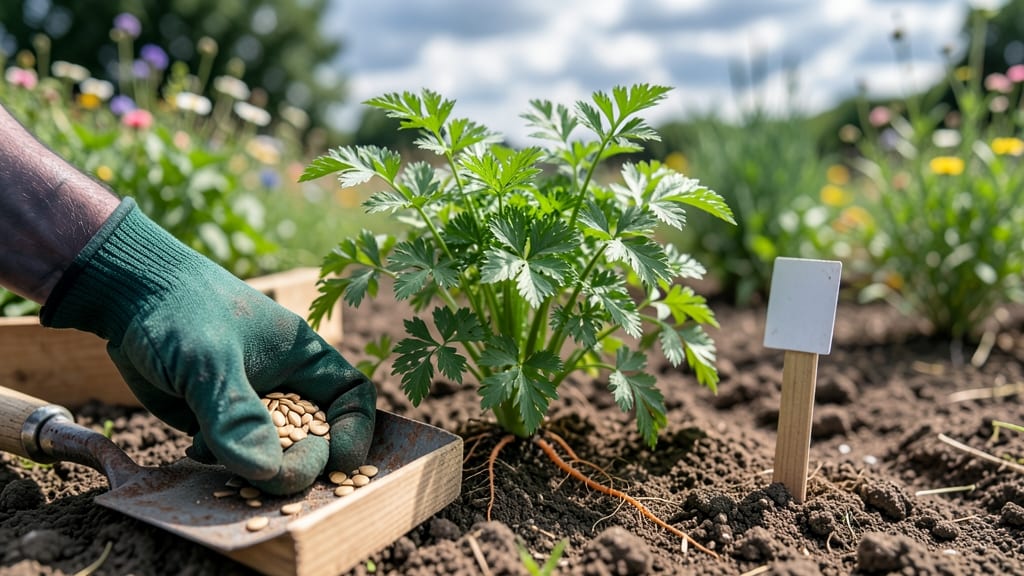
Planting carrots in East Texas at the wrong time means either watching them bolt into bitter greens or rot in the summer heat—both frustrations I’ve seen too many gardeners face.
The key to sweet, crisp 🥕 harvests lies in understanding your zone’s unique climate patterns, especially in USDA 8a, where timing can make or break your crop.
Most gardeners assume spring is the only window, but East Texas actually offers two prime planting seasons—spring and fall—that align perfectly with the region’s weather.
I’ll break down exactly when to start seeds for each season, plus how to stretch your growing window with simple tricks that work even in our humid summers.
What you’ll discover is that succession planting in late July can give you fall carrots just as delicious as spring’s, while avoiding the common pitfalls of bolting or pest damage. Let’s dive into the exact calendar and techniques that’ll have you pulling perfect carrots all season long.
Whether you’re a first-time gardener or a veteran looking to maximize your harvest, these timing strategies will transform your approach. No more guessing—just reliable, flavorful 🥕 yields that outshine anything you’d find in a store.
Best planting windows for carrots in East Texas heat-zone 8b
Timing your carrot planting in East Texas is all about beating the heat while avoiding early bolting. The key windows are late winter/early spring and late summer/early fall, when temperatures stay between 50°F and 75°F—ideal for root development without stress.
I’ve planted carrots in Tyler and Longview for years, and these windows consistently deliver the sweetest harvests.
Your first planting window opens around late February to early March, just after the last average frost date of March 15. This gives your carrots 6-8 weeks of cool weather to mature before summer’s relentless heat sets in.
The second window is late July to early August, allowing a fall harvest before the first frost on November 15.
East Texas’ USDA Zone 8b climate means we can actually grow carrots year-round with the right strategies, but these two windows are your safest bets for bolting-free, high-quality roots.
The heat and humidity of summer can cause carrots to split or develop woody textures, while planting too early risks bolting when days grow longer.
Soil temperature is just as critical as air temperature. Carrot seeds need soil at least 50°F to germinate—any cooler, and you’ll wait weeks for sprouts. Use a soil thermometer to confirm before planting. I’ve seen gardeners in Nacogdoches struggle with slow germination in March because their soil stayed too cool.
| Planting Window | Ideal Soil Temp | Days to Harvest | Key Considerations |
|---|---|---|---|
| Late February - Early March | 50°F - 60°F | 70 - 80 days | Avoid bolting; use shade cloth if temps rise above 75°F |
| Late July - Early August | 60°F - 70°F | 60 - 70 days | Prioritize mulching; harvest before first frost |
| September (succession) | 60°F - 70°F | 50 - 60 days | Fast-growing varieties only; protect from pests |
🌱 Pro Tip: Test soil pH (6.0-6.8) before planting—East Texas clay often needs lime amendments.
Microclimates in East Texas can shift planting success dramatically. Gardens near wooded areas or water features stay cooler longer, while south-facing beds heat up faster. I’ve had carrots bolt in April in open sunny spots but thrive in partial shade near my oak trees.
Observe your garden’s patterns for at least a season before committing to full-sun plantings.
For succession planting, sow new seeds every 2-3 weeks within your chosen window. This ensures a steady supply of fresh carrots and reduces the risk of losing your entire crop to pests or weather.
In my Smithville garden, I plant a final succession in early September for a quick harvest before winter sets in.
Watch for carrot rust fly and wireworms, which thrive in East Texas’ humid summers. Use row covers in spring or interplant with onions to deter pests naturally. I’ve found that Danvers Half Long varieties resist rust flies better than shorter types, making them my go-to for summer plantings.
After harvest, save seeds from your best-performing plants for next year. Carrot seeds lose viability quickly, so store them in a cool, dry place and replant within 12 months.
I’ve had great success with homegrown seed in Beaumont, where the humidity keeps seeds viable longer than in drier regions.
Remember: soil preparation is half the battle. East Texas’ clay-heavy soil needs compost and sand amendments to prevent forked roots. Work in 2-3 inches of compost before planting, and avoid working the soil when it’s wet to prevent compaction.
With these windows and tips, you’ll grow sweet, straight carrots that outshine grocery store varieties. The secret isn’t just timing—it’s adapting to East Texas’ quirks while working with its natural rhythms. Happy planting! 🥕
Best planting windows for carrots in East Texas heat-zone 8b
Timing is everything when growing carrots in East Texas’ heat-zone 8b. The key is planting when soil temperatures stay below 80°F—any hotter, and your carrots will bolt (go to seed) before you get a harvest.
For most East Texas gardeners, this means focusing on fall and spring plantings while avoiding summer heat.
Your best bets are late February to early March for spring carrots and late July to early August for fall crops. These windows give your carrots 60-70 days of ideal growing conditions before summer or winter extremes arrive.
Think of it as a race against the clock—plant too early, and frost risks damage; too late, and the heat ruins your harvest.
East Texas’ microclimates can shift planting times by weeks. If you live in shadier or wetter areas (like near forests), you might push spring planting to mid-March. Conversely, sunnier, drier spots (like urban heat islands) may allow late April plantings—but monitor soil temps closely.
Never plant carrots when daytime highs exceed 85°F—this triggers bolting. Even if your neighbor swears by summer carrots, their soil thermometer is your best friend. Bury one 2 inches deep; if it reads above 80°F, wait for cooler weather or use shade cloth.
Pro tip: Test your soil 2 weeks before planting. Carrots need loose, rock-free soil to grow straight. If your garden soil is heavy clay (common in East Texas), amend with compost or sand to improve drainage and prevent forked roots.
For a continuous harvest, stagger plantings every 2-3 weeks during your ideal windows. This way, you’ll always have fresh carrots ready to pull—no more store-bought disappointments! 🥕