
Companion Plants
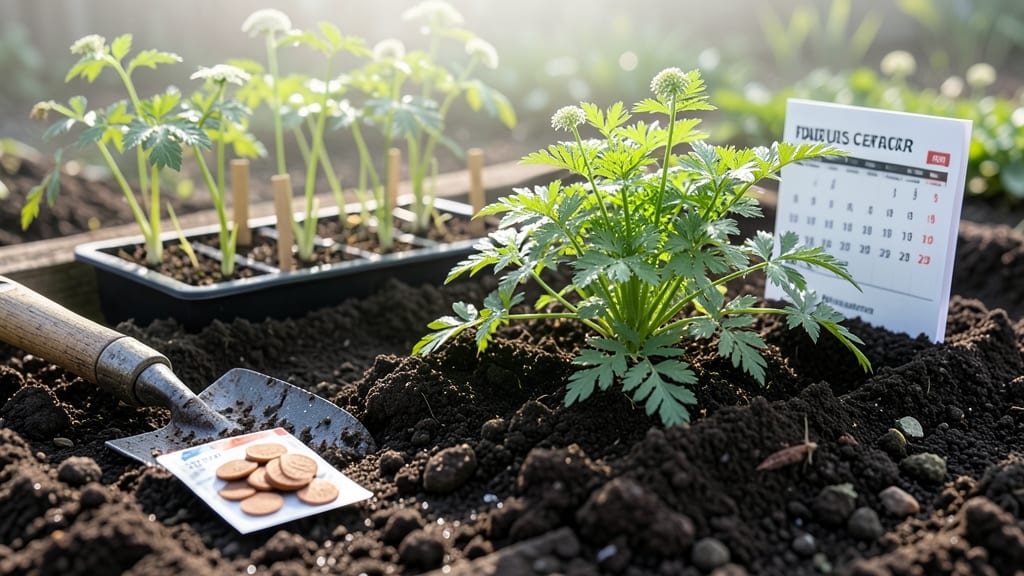
Planting your 🥕 carrot seeds at the wrong time in Zone 7 can mean the difference between a sweet harvest and bitter disappointment. The key isn't just checking the calendar—it's understanding when your soil warms enough to prevent bolting, a common problem that turns your hard work into inedible stems.
Most gardeners in Zone 7 make the mistake of planting too early when the soil is still too cold, or too late when the heat triggers those unwanted flower stalks.
But with the right timing—typically between early March and mid-July—you can avoid these pitfalls and enjoy crisp, flavorful carrots all season long.
I’ve tested these exact planting windows over the years, and what works best depends on soil temperature, not just dates. Whether you're a beginner or a seasoned gardener, mastering this timing will give you the confidence to grow perfect carrots every time.
Let’s break down the best months, soil temperature tricks, and even how to salvage a late planting. Your next harvest starts with getting this one detail right—and I’ll show you exactly how.
Zone 7 carrot planting calendar: exact dates by soil temperature (not just months)
In Zone 7, the key to growing sweet, crisp carrots lies in planting at the right soil temperatures—not just following a generic calendar.
Carrots thrive when soil is between 50°F and 85°F, but planting too early (cold soil) or too late (hot soil) can trigger bolting or poor germination. Let’s break down the exact windows to maximize your harvest.
Zone 7’s last frost date typically falls between March 15–April 15, while the first frost arrives around October 15–November 15. This gives you two prime planting windows: early spring (as soon as soil warms) and late summer (for a fall harvest).
The trick? Align your planting with soil temp, not just air temp.
🌱 Pro Tip: Use a soil thermometer to check temps before planting. Carrot seeds need 50°F+ soil to sprout reliably. If your soil is colder, wait—even a few degrees can delay germination by weeks.
| Planting Window | Soil Temp Range | Best Time (Zone 7) | Harvest Window |
|---|---|---|---|
| Early Spring | 50°F–65°F | Mid-March to early April | June–August |
| Late Summer | 60°F–85°F | Late July–early August | October–November (before frost) |
| Fall (Successive Planting) | 55°F–70°F | September (for late fall harvest) | November (before hard frost) |
🌱 Note: For bolting-resistant varieties like ‘Danvers Half Long’ or ‘Nantes’, late summer plantings work best.
For early spring plantings, aim for mid-March to early April when soil reaches 50°F+. If you plant too early, seeds may rot in cold, wet soil. To speed up soil warming, use black plastic mulch or plant in raised beds, which warm up faster.
In late summer, focus on July–early August for a fall harvest. This window avoids the long daylight hours of summer that trigger bolting. If you’re planting in August, choose short-day varieties like ‘Paris Market’ to delay flowering.
🌿 Zone 7 Specific: If you live in the warmer end of Zone 7 (e.g., Atlanta, GA), you can push spring plantings to early March. In cooler microclimates (e.g., higher elevations), wait until mid-April to avoid frost damage.
To extend your harvest, try successive plantings every 2–3 weeks from spring to early summer. This ensures a steady supply of fresh carrots without overwhelming your garden at once. For example, plant one batch in March, another in April, and a final one in July.
💡 Lunar Tip: Plant during the moon’s waxing phase (when the moon is growing) for stronger root development. This old gardener’s trick can boost yield and reduce forking.
Finally, always test your soil before planting. Carrots prefer loose, well-draining soil with a pH of 6.0–6.8. Amend heavy clay soil with compost or sand to prevent forked roots, a common issue in Zone 7’s dense soils.
Zone 7 carrot planting calendar: exact dates by soil temperature (not just months)
In Zone 7, timing your carrot seeds isn’t just about the calendar—it’s about soil temperature and avoiding bolting. The ideal window spans early spring and late summer, but exact dates depend on when your soil warms to 50°F–85°F.
Planting too early (cold soil) or too late (hot soil) risks poor germination or bitter, inedible stems.
Zone 7’s last frost date typically falls between March 15–April 15, while the first frost arrives around October 15–November 15. Use these dates as guides, but always check your soil temperature with a probe—carrots thrive when soil stays between 50°F–85°F.
Below 50°F, seeds rot; above 85°F, they bolt prematurely.
🌱 Key Takeaway: Plant carrot seeds in Zone 7 during these two windows:
- Early Spring: March–April (soil at 50°F–60°F)
- Late Summer: July–August (soil cooling to 70°F–80°F)
Avoid planting in May–June when soil temps exceed 80°F.
| Planting Window | Soil Temp (°F) | Daylight Hours | Notes |
|---|---|---|---|
| Early Spring (March–April) | 50°F–60°F | 12–14 hrs | Use row covers if nights dip below 40°F. |
| Late Summer (July–August) | 70°F–80°F | 14–15 hrs | Shade seedlings if temps exceed 85°F. |
| Avoid: May–June | Above 85°F | 15+ hrs | High risk of bolting and poor germination. |
For Zone 7 gardeners, I recommend starting with early spring plantings (March) for a summer harvest and a late summer planting (August) for a fall harvest before frost.
Succession planting every 2–3 weeks ensures a steady supply of fresh carrots. Use a soil thermometer to confirm temperatures—this tool is a game-changer for avoiding bolting.
Pro tip: If your Zone 7 soil stays cold into April, opt for bolting-resistant varieties like ‘Danvers Half Long’ or ‘Nantes’, which tolerate cooler temps better than standard types.
Pair this with a black plastic mulch to warm the soil faster and extend your planting window by 1–2 weeks.
Remember, carrots hate heat—once soil temps hit 85°F, even shade-loving varieties struggle. Plan your late summer planting to finish harvesting by October to avoid frost damage. With these soil temp guidelines, you’ll grow sweet, crisp carrots instead of bitter, bolted stems. 🥕