
Plants
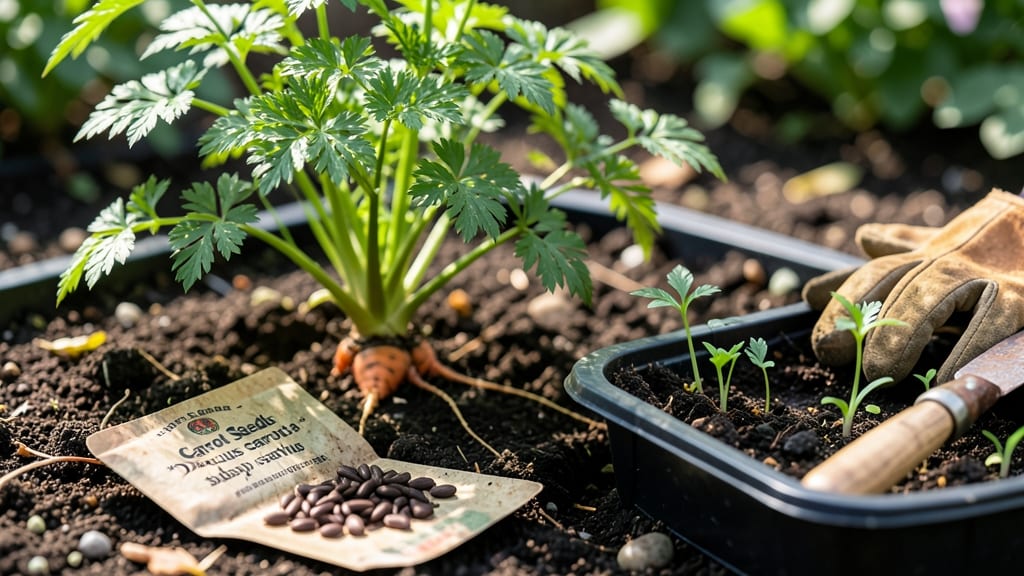
Timing your spring carrot planting just right is the secret to avoiding bitter, woody roots and bolting before harvest—especially in USDA Zone 6a where frost lingers until mid-April.
Most gardeners rush planting as soon as soil looks dry, but 🥕 carrots need consistently warm soil (at least 45°F) to germinate properly. Plant too early, and you’ll end up with slow, patchy growth—or worse, seeds that rot in cold earth.
The key is waiting until 2-4 weeks before your last frost, when soil stays reliably above that threshold.
Here’s what I’ve learned after years of trial-and-error: the best time to plant isn’t just about the calendar—it’s about soil temperature, seed viability, and even daylight length.
I’ll walk you through how to test your soil, adjust for regional quirks, and use succession planting to stretch your harvest from spring through summer.
Ready to grow sweet, crisp carrots without the guesswork? Let’s break down the exact steps to time your planting for peak success—no more wasted seeds or disappointing harvests.
Ideal soil temperature for planting carrots in spring (and how to check it)
Carrots thrive when planted in soil temperatures between 45°F and 85°F, but the sweet spot for spring planting is 50°F to 65°F. Cooler soil prevents bolting (premature flowering), while warmer soil ensures steady germination.
If you plant too early, seeds may rot; too late, and roots grow tough and woody. Timing depends on your last frost date and USDA zone.
For example, in USDA Zone 5, aim to plant 2-4 weeks before your last frost date (typically late April). In Zone 10, you can start as early as February since frost is rare.
The key is ensuring the soil has warmed enough but isn’t yet too hot—balancing these factors is where most gardeners stumble.
🌱
🌱 Carrot Soil Temperature Guide
| Stage | Soil Temp (°F) | Action | Risk if Ignored |
|---|---|---|---|
| Seed Germination | 45–50°F | Plant 2–4 weeks before last frost | Seeds rot or fail to sprout |
| Optimal Growth | 50–65°F | Direct sow seeds ½" deep | Bolting or stunted roots |
| Late Spring Heat | 65–85°F | Use shade cloth or mulch | Woody, bitter roots |
Pro Tip: Use a soil thermometer ($10–$15) to check temps 2" deep. Morning readings are most accurate.
To test soil readiness without a thermometer, press your finger into the soil. If it feels cool but not icy and crumbles easily, it’s ready. Another trick: plant radishes (they germinate faster) alongside carrots—they’ll tell you if the soil is too cold.
If radishes sprout in 3–5 days, your carrots are good to go.
In heavy clay soil, warm up beds with black plastic mulch 1–2 weeks before planting. For sandy soil, mix in compost to retain moisture and moderate temperature swings. Both extremes can stress young seedlings, so aim for a loose, well-draining medium—carrots hate compacted soil that causes forking.
If your spring is unpredictable (like in USDA Zones 3–4), opt for short-season varieties like 'Early Nantes' or 'Paris Market'. These mature in 50–60 days, giving you a head start before summer heat sets in. Pair them with onion sets to deter carrot flies and improve flavor.
💧
Remember: Soil temperature ≠ air temperature. A sunny day might fool you into thinking it’s warm enough, but the ground stays cool. Always check the soil—your carrots’ future depends on it. Next, we’ll cover the 5 critical factors beyond temperature that dictate the perfect planting window.
5 Critical factors that determine the perfect carrot planting window in spring
Timing your carrot planting isn’t just about soil temperature—it’s a balancing act between daylight hours, frost risk, and even seed viability. Each of these factors can make or break your harvest, turning potential bolting or woody roots into a thing of the past.
Let’s break down what truly matters beyond the calendar date.
First, daylight length plays a surprising role. Carrots are sensitive to long daylight hours, which can trigger bolting—when they flower prematurely and produce bitter, inedible roots. In spring, aim to plant when days are still 12–14 hours long.
This usually means sowing seeds 4–6 weeks before your region’s longest day, which varies by latitude. For example, gardeners in Zone 5 should plant by early May, while those in Zone 9 can start as early as February.
🌱 5 Critical Factors for Perfect Timing
- ✅ Soil temperature: Must reach 45–55°F for germination (use a soil thermometer to check).
- ✅ Frost risk: Plant 2–3 weeks before the last expected frost date to avoid seed damage.
- ✅ Daylight hours: Avoid planting when days exceed 14 hours to prevent bolting.
- ✅ Seed viability: Fresh seeds (1–2 years old) germinate best; older seeds may struggle in cool soil.
- ✅ Companion plants: Interplant with onions or leeks to deter pests and improve root shape.
Next, frost risk is a dealbreaker. Carrot seeds and seedlings are extremely frost-sensitive. Even a light frost can kill young plants, leaving you with patchy, uneven growth.
To hedge your bets, use row covers or cold frames if planting early, or wait until the soil is consistently above 50°F for at least a week.
Pro tip: Check your local USDA frost calendar—planting 2–3 weeks before the last frost date gives seeds time to germinate without risking a freeze.
Don’t overlook seed viability, either. Carrot seeds lose viability quickly, especially in cool, damp conditions. If your seeds are older than 2 years, they may fail to germinate in spring’s chilly soil.
For best results, opt for fresh seeds or soak them overnight in lukewarm water to jumpstart germination. This trick works wonders in Zone 3–5, where soil warms slowly.
Finally, companion planting can extend your carrot-growing season. Pairing carrots with onions, leeks, or rosemary improves root shape and deters pests like carrot flies. Avoid planting near dill or parsley, which can cross-pollinate and reduce flavor.
For a succession planting strategy, sow seeds every 2–3 weeks until early summer, ensuring a steady harvest.
Watch for these warning signs that your timing is off: purple shoulders on leaves (a sign of phosphorus deficiency from stress), yellowing foliage (too much nitrogen or poor drainage), or stunted growth (soil too cold or compacted).
Adjust your approach, and you’ll be rewarded with sweet, crisp carrots all season long. 🥕