
Companion Plants
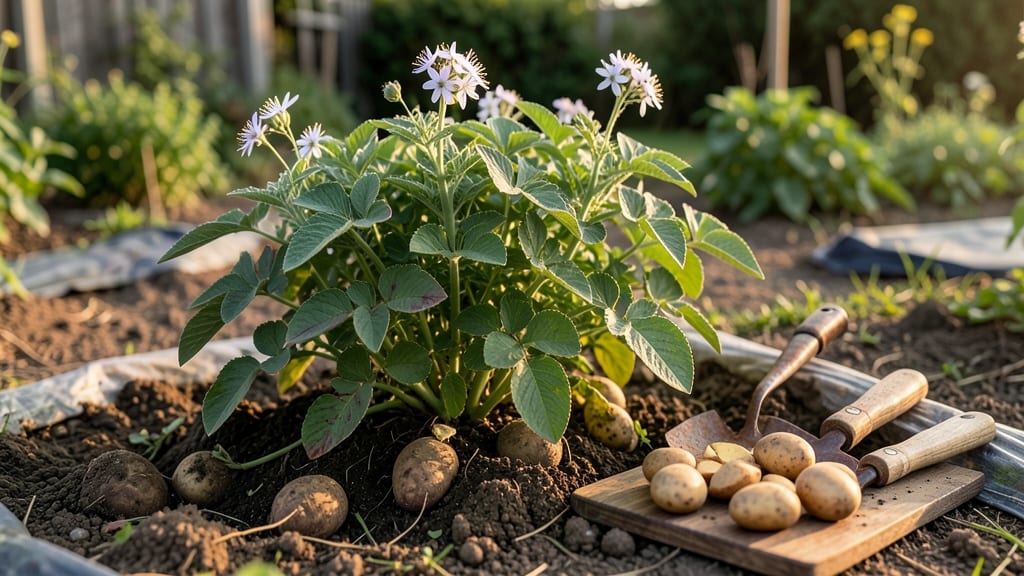
When should I plant potatoes in Zone 8? Timing your potato planting can make or break your harvest—get it wrong, and you might end up with stunted 🥔 or worse, a total flop. Unlike cooler climates, Zone 8's mild winters and warm springs demand precise scheduling to avoid heat stress or disease.
Most gardeners in Zone 8 focus on early spring planting, but fall is actually a smart alternative for certain varieties.
The key is knowing exactly 4-6 weeks before your last frost date—typically around mid-January for most of Zone 8—to give your potatoes enough time to establish strong roots before summer heat arrives.
What you'll discover here are the exact planting windows tailored to your region, whether you're in Southern California's Mediterranean climate or Georgia's humid subtropical zone. I'll break down the best months, soil prep secrets, and how to adjust for early vs. late varieties to maximize your yield.
Ready to grow potatoes that thrive? Let's dive into the science-backed timing that'll turn your garden into a 🥔 powerhouse—no guesswork required.
Zone 8 potato planting timeline: exact weeks before last frost for peak growth
In Zone 8, where winters are mild and summers can be scorching, timing your potato planting is everything. The last frost date typically falls around January 15, but soil temperatures and variety maturity play just as big a role.
Plant too early, and your tubers may rot in cold soil; too late, and you risk blight from summer heat. Let’s break down the exact windows for spring and fall planting to maximize your harvest.
For spring potatoes, aim to plant 4-6 weeks before your last frost—usually between mid-February and early March. This gives tubers time to establish before soil warms.
Fall planting, meanwhile, should happen 8-10 weeks before the first frost (around September 15-October 1), allowing enough time for harvest before cold sets in. Zone 8’s 240 frost-free days mean you can even squeeze in a second crop if you choose fast-maturing varieties.
| Planting Window | Ideal Soil Temp | Variety Examples | Harvest Month |
|---|---|---|---|
| Early Spring (Feb 15 - Mar 1) | 45-50°F | 'Yukon Gold', 'Red Norland' | April - May |
| Mid-Spring (Mar 15 - Apr 1) | 50-55°F | 'Kennebec', 'Russet' | May - June |
| Fall (Sep 15 - Oct 1) | 55-60°F | 'Fingerling', 'Sweet Potato' | Nov - Dec |
Your soil temperature is the real game-changer. Potatoes won’t sprout until soil hits 45°F, but ideal planting temps are 50-60°F. In Zone 8, this often means waiting until late February for spring or September for fall.
Use a soil thermometer to check—planting too soon in cold soil leads to rotten tubers and wasted seed potatoes.
Pro tip: Chit your seed potatoes (sprout them indoors) 4-6 weeks before planting. This jumpstarts growth, giving you a 2-3 week head start on the season. Place whole seed potatoes in a bright, cool spot (60°F) and watch for 1-inch sprouts before planting.
Plant them with the sprouts facing up, 4 inches deep and 12 inches apart in rows 3 feet apart for airflow.
Zone 8’s humidity and summer heat demand extra care. After planting, keep soil consistently moist but not soggy—1 inch of water per week is ideal. Mulch with straw or grass clippings to retain moisture and regulate soil temp.
Avoid synthetic mulches like black plastic, which can overheat tubers. For fall crops, reduce watering as harvest nears to tighten skins and prevent scab disease.
Watch for early blight signs (brown spots on leaves) in spring or late blight (rapid wilting) in summer. Zone 8’s warm, humid summers create perfect conditions for these diseases. At the first sign, remove affected foliage and spray with copper fungicide.
Rotate planting locations yearly to break disease cycles—never plant potatoes in the same spot two years in a row.
Harvest timing is just as critical as planting. For spring potatoes, dig when flowers appear and foliage yellows (usually 90-120 days after planting). For fall crops, aim for before the first frost (around November 15).
Use a fork to gently loosen soil and avoid damaging tubers. Cure harvested potatoes in a cool, dark, humid space (50-60°F, 85% humidity) for 1-2 weeks to develop skins and improve storage life.
Don’t overlook succession planting! In Zone 8, you can stagger plantings every 2-3 weeks from February to April for a continuous harvest. Pair early varieties like 'Early Red' (60 days) with late varieties like 'Russet' (120 days) to extend your season.
Just ensure each batch gets full sun and proper spacing to avoid competition.
With these exact timelines and adjustments, you’ll turn Zone 8’s mild climate into your potato-growing advantage. Whether you’re aiming for crisp baking potatoes or buttery Yukon Golds, nailing the planting window is your first step to a bountiful harvest. 🥔
How to adjust planting time for early vs. late potato varieties in Zone 8
Zone 8 gardeners have a unique advantage with two planting windows—spring and fall—but timing depends entirely on your potato variety. Fast-maturing varieties like Yukon Gold need early planting, while late-season types like Russet Burbank thrive with later starts.
Understanding these differences ensures you avoid blight risks and maximize yield.
For early varieties (60–90 days to harvest), aim to plant 4–6 weeks before your last frost date—typically mid-February to early March in Zone 8. These potatoes mature quickly, making them ideal for spring harvests before summer heat sets in.
Late varieties, however, need a longer growing season and should go in the ground 3–4 weeks earlier to compensate for slower growth.
Here’s the key: Soil temperature matters more than air temperature. Potatoes sprout best when soil reaches 45°F (7°C)—waiting for this ensures strong, disease-resistant growth.
In Zone 8, this usually aligns with late February for spring plantings and mid-September for fall plantings, but always check local frost forecasts.
| Variety Type | Planting Window | Days to Harvest | Zone 8 Ideal Month | Key Tip |
|---|---|---|---|---|
| Early (e.g., Yukon Gold) | 4–6 weeks before last frost | 60–90 days | February–March | Plant in cool soil (45°F+) |
| Mid-Season (e.g., Red Pontiac) | 3–4 weeks before last frost | 90–110 days | March–April | Use succession planting for continuous harvests |
| Late (e.g., Russet Burbank) | 6–8 weeks before first frost | 110–130 days | September–October | Prioritize well-draining soil to avoid rot |
Succession planting is your secret weapon in Zone 8. By staggering plantings every 2–3 weeks in spring, you can extend your harvest window. For example, plant a batch of Yukon Gold in early March, followed by Red Pontiac in late March, and finish with Russet in early April. This method ensures you’re always harvesting fresh potatoes while avoiding overcrowding or disease buildup in the soil.
Fall plantings in Zone 8 follow the same logic but work backward. Late varieties like Russet Burbank need to be in the ground by mid-September to mature before the first frost (usually mid-December).
Early varieties planted in late September will harvest by November, leaving your garden ready for winter crops. Just remember: fall potatoes need warmer soil—wait until nighttime temps stay above 50°F (10°C).
One critical mistake to avoid? Planting late varieties too early. If you put Russet potatoes in the ground in March, they’ll bolt (flower prematurely) in Zone 8’s heat, leading to small, bitter tubers. Stick to the variety-specific timeline, and you’ll enjoy large, flavorful potatoes all season long. 🌱