
Companion Plants
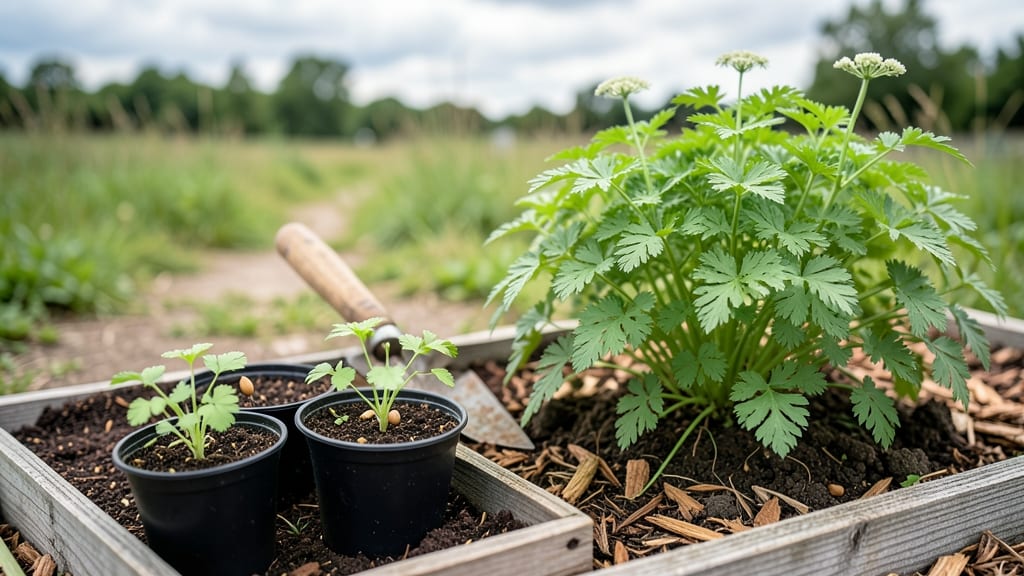
Planting cilantro in Southern California at the wrong time means watching your fresh 🌿 harvest bolt into bitter, inedible flowers before you even get a chance to enjoy it.
This finicky herb loves cool weather, but our 9b-11 climate throws a curveball with its hot summers and mild winters. The key to success? Timing your plantings right—whether you're aiming for fall's crisp harvests or spring's early crops—and knowing which heat-tolerant varieties actually stand a chance.
I've learned the hard way that cilantro planted in summer wilts faster than a sad salad. But with the right strategies—like shade tricks and late-season planting windows—you can extend your harvest well into December or even coax a spring crop before the heat sets in.
Let me show you exactly when to put those seeds in the ground, which varieties won't surrender to our climate, and how to keep your cilantro thriving when every other gardener is giving up.
Best planting windows for cilantro in Southern California’s microclimates
Southern California’s diverse microclimates—from coastal breezes to inland heat—create three distinct cilantro planting seasons. Unlike northern climates, we don’t have to worry about frost, but we do need to time plantings to avoid heat-induced bolting (that bitter flowering stage).
The ideal windows are fall, winter, and a strategic late spring for shade-loving varieties.
Coastal areas like San Diego and Santa Barbara enjoy milder summers, giving you a 4-month window from September through December. Inland valleys like Los Angeles and Riverside face hotter conditions, so focus on September-October and February-March plantings. Evenings with 60°F soil temps are perfect for sowing seeds.
Here’s how the two primary planting seasons break down by region and temperature cues:
For coastal gardeners, the September 15–October 15 window is golden—cool nights and mild days prevent bolting. Inland areas should avoid June–August plantings entirely; even partial sun will trigger flowering. Instead, sow cilantro in late summer (August) for a fall harvest before temperatures rise.
Pro tip: Use a soil thermometer to confirm temps are below 75°F before planting. If your soil hits 80°F+, cilantro seeds may rot before sprouting. Coastal areas can push into early November, while inland valleys should stop by mid-October.
Don’t overlook succession planting! Sow new seeds every 2–3 weeks from September through November to ensure a continuous harvest. This works especially well in container gardens where you can replace bolting plants quickly.
If you’re in a high-desert area (like Palm Springs), your window shrinks to October–November only. The cool nights are crucial—aim for temps dropping to 50°F or lower after sunset to prevent bolting.
For urban gardeners with limited space, container cilantro planted in February–March will thrive with afternoon shade. Just remember: consistent moisture is non-negotiable in pots, which dry out faster than in-ground beds.
One final trick: If you must grow cilantro in summer, try drip irrigation at night combined with 50% shade cloth. This can buy you 4–6 weeks of growth before bolting takes over.
🌿
Best planting windows for cilantro in Southern California’s microclimates
Southern California’s diverse microclimates mean your cilantro’s success depends on where you live—whether you’re in coastal Santa Barbara with mild winters or inland Riverside with scorching summers. The key is planting cilantro when soil temperatures stay below 75°F to prevent bolting (that bitter, flowery phase we all hate).
For most of SoCal, this means focusing on fall and winter windows.
Coastal areas like Los Angeles and San Diego have a 6-week window from late September to early November, while inland valleys like San Bernardino can start as early as mid-August. Evenings in these months stay cool enough to let cilantro thrive without rushing to bolt.
Timing is everything—plant too late, and you’ll face heat stress; too early, and you might deal with overwintering challenges.
🌱 Southern California Cilantro Planting Windows
Don’t overlook the spring window (late February to early March) for a second harvest. While summer planting is risky, shade-cloth tricks (more on that later) can help you squeeze in cilantro during April or May if you’re patient.
Just be ready to provide afternoon shade and daily watering to keep roots cool.
For container gardening, your timing flexibility increases. Pots heat up faster, so aim for morning sun only and move containers to shade by noon. I’ve had success with cilantro in 10-inch pots on patios from October through January, even in inland areas.
Just monitor soil moisture—containers dry out 3x faster than in-ground beds.
Pro tip: Use a soil thermometer to check temperatures before planting. Cilantro roots prefer 60-70°F soil. If your garden hits 75°F+, wait 2-3 weeks or use shade cloth.
I once planted cilantro in early October in Fontana and lost it to heat—until I switched to ‘Calypso’ variety and added shade. Never again!
🌿 Key Takeaway: Coastal areas get 2 planting windows (fall + spring), while inland gardens nail just one reliable window (fall). Always prioritize soil temp over calendar dates—your cilantro will thank you with bold, flavorful leaves instead of bitter stems.