
Plants
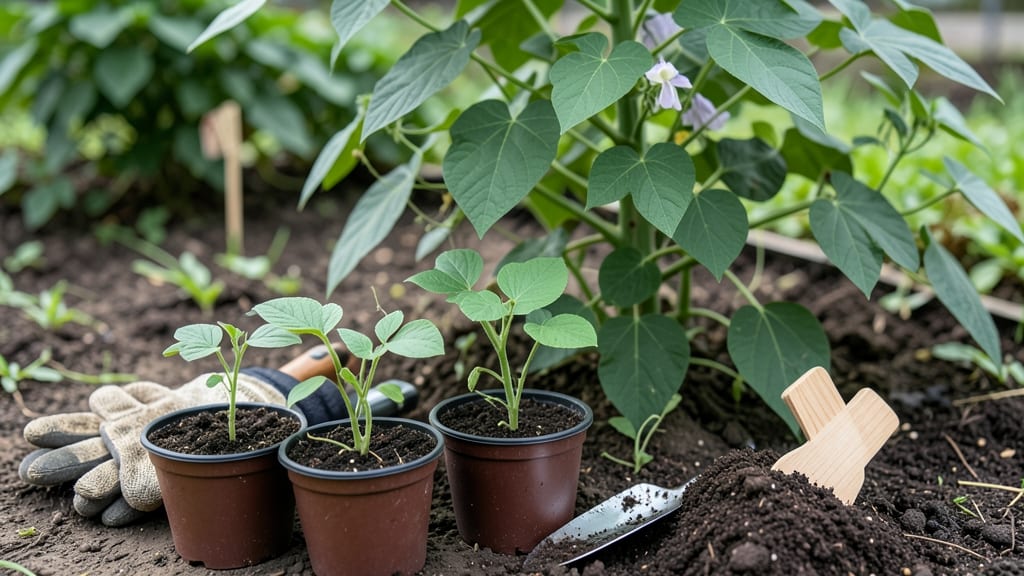
Planting beans in Southern California at the wrong time can mean the difference between a bountiful harvest and wasted effort. With 300+ frost-free days in Zone 10, you’ve got plenty of opportunities—but knowing exactly when to plant your 🌱 beans is key to avoiding heat stress or stunted growth.
Most gardeners here focus on the spring window, but did you know you can actually plant beans twice a year? The ideal planting times align with cooler temperatures, whether that’s early spring or late summer.
I’ll break down the exact months for bush and pole varieties, plus how to adjust for your local microclimate—whether you’re in coastal Santa Barbara or inland San Diego.
Timing isn’t just about the calendar—it’s about soil temperature, too. Beans thrive when the ground warms to at least 60°F, and I’ll show you how to test it (plus when to pre-sprout seeds for a head start).
Skip the guesswork and learn the proven schedule that works for Southern California’s unique growing conditions.
Ready to grow more beans with less frustration? Let’s dive into the step-by-step planting window that’ll give you a harvest from May through November—no matter where you are in the region.
Southern California bean planting calendar: exact months by bean type
Southern California’s USDA Zone 10 offers two perfect windows for planting beans: early spring and late summer. These timing strategies help you avoid the heat stress of summer and the cooler temperatures of winter.
For bush beans, aim for February-March or August-September. Pole beans, which need more warmth, thrive best in March-April or late August.
Your microclimate plays a huge role—coastal areas like Santa Barbara can plant slightly earlier than inland areas like Palm Springs. Always check your last frost date, though frost is rare in Zone 10.
The key is planting when soil temperatures hit 60°F+ and daytime highs stay below 90°F.
Here’s the breakdown for each bean type, including temperature thresholds and harvest windows to maximize your yield.
If you’re planting in coastal areas like Malibu or San Diego, you can start 2–3 weeks earlier thanks to cooler temperatures. Inland areas like Riverside or Palm Springs should wait until soil is fully warmed to avoid heat stress in seedlings.
Always test your soil temperature with a thermometer—beans need warmth to germinate properly.
For pole beans, which take longer to mature, I recommend starting seeds indoors 2–3 weeks before your target outdoor planting date. This gives them a head start and helps you beat the summer heat. Use biodegradable pots so you can transplant without disturbing roots.
One of my favorite Southern California-specific tips is to plant a second crop in late summer (August–September) for a fall harvest. This works especially well in cooler microclimates like Santa Barbara or Big Sur. Just be sure to use shade cloth if daytime temps exceed 90°F.
When planting, aim for 1–2 inches of compost mixed into the top 6 inches of soil. Beans are nitrogen-fixers, so they don’t need heavy fertilization—but a light 5-10-10 mix at planting helps kickstart growth. Avoid fresh manure, which can burn young roots.
After planting, keep soil <
How to extend your bean harvest season in Southern California
Southern California’s 300+ frost-free days mean you can grow beans nearly year-round—but only if you use the right strategies. The key? Succession planting and heat management to avoid summer burnout. I’ve grown beans in Zone 10a for years, and these techniques have doubled my harvests without extra work.
Start by planting bush beans in late January for an early spring crop, then follow up with pole beans in August for a fall harvest. The trick is spacing out plantings every 2-3 weeks to ensure a continuous supply.
For summer heat, use shade cloth (30-50%) to protect seedlings until they establish roots.
Here’s my 3-step checklist for fall prep: test soil pH (aim for 6.0-7.0), add compost, and mulch heavily to retain moisture. Companion planting with basil or marigolds also deters pests like Mexican bean beetles, a common issue in coastal areas.
- Plant bush beans in late January for spring harvests (ready by April).
- Use shade cloth if daytime temps exceed 85°F.
- Water deeply every 2-3 days to prevent blossom drop.
- Sow pole beans in early August for fall harvests (ready by October).
- Fertilize with 5-10-10 at planting, then again in September.
- Train vines on trellises to save space and improve air circulation.
- Plant cold-hardy varieties like ‘Christmas Limas’ in October for winter harvests.
- Protect with row covers if night temps drop below 50°F.
- Harvest before first frost (rare in coastal areas, but possible inland).
Don’t overlook container gardening for small spaces—grow bush beans in 5-gallon pots on patios or balconies. Just ensure pots have drainage holes and use moisture-retentive soil. For urban gardeners, vertical gardening with pole beans on trellises maximizes yield in tight areas.
One final tip: Save seeds from your best-performing plants! Southern California’s mild winters let beans mature fully, so you can collect seeds from dry pods in late fall. Store them in a cool, dark place for next year’s organic starts. Your future self will thank you!