
Plants
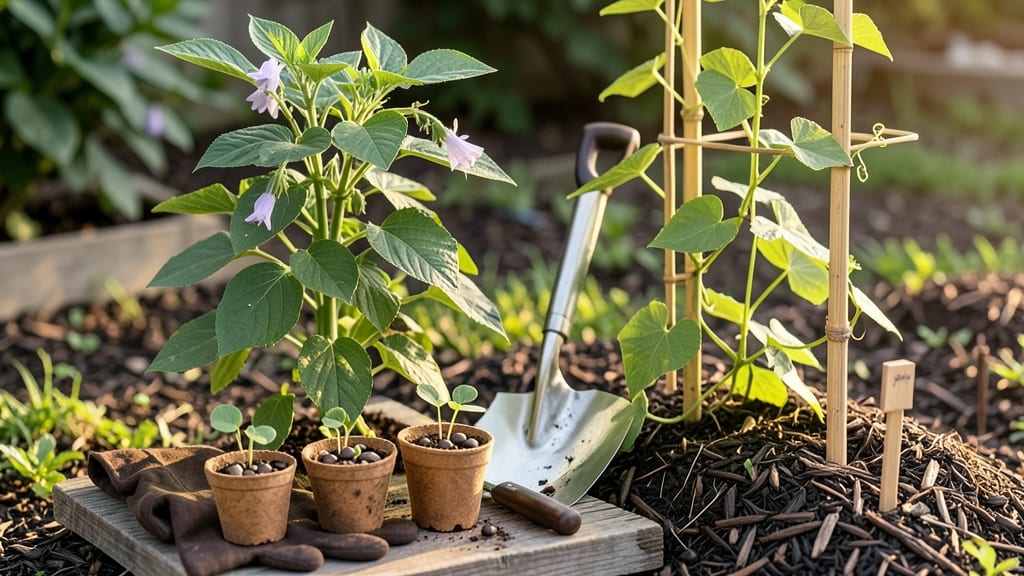
Planting beans in Wisconsin isn’t just about checking a calendar—it’s about waiting for that critical soil warmth that signals your seeds it’s time to grow. 🌱 Too early, and chilly soil will leave you staring at stubborn, slow-to-sprout seeds; too late, and you’ll miss the peak harvest window when pods are plump and sweet.
I’ve learned the hard way that Wisconsin’s 4a-6b zones demand patience—your beans need soil at least 60°F to germinate reliably, and that moment arrives differently each year.
Whether you’re in Madison’s cooler pockets or Milwaukee’s slightly warmer microclimates, knowing the exact window (mid-April to mid-June for spring plantings) separates a thriving garden from a disappointing one.
But here’s the game-changer: even after you’ve mastered timing, soil prep and variety choice make all the difference. Bush beans might outpace pole varieties in Wisconsin’s short season, while fall plantings in July can stretch your harvest into October.
Let’s break down the exact steps to ensure your beans grow fast, strong, and full of flavor—no guesswork required.
Ready to skip the trial-and-error? I’ll walk you through the 3 key signs your soil is finally ready, plus the best varieties for Wisconsin’s unpredictable springs. No more waiting around hoping for the best—just a foolproof plan for a bumper crop.
Ideal soil temperature and Wisconsin planting zones for beans
Wisconsin’s cool climate demands precise timing for bean planting—soil temperature is your best guide. Beans need consistent warmth (at least 50°F) to germinate, but 60°F+ is ideal.
In USDA Zones 4a-5b, this typically aligns with mid-May to early June after the last frost, though northern regions like Green Bay may wait until late May.
Southern Wisconsin (e.g., Madison) can start 2-3 weeks earlier than northern areas.
Use a soil thermometer to confirm readiness—cold soil delays germination, while overly warm soil can stress seedlings. Pole beans (like Kentucky Wonder) tolerate cooler temps slightly better than bush beans (e.g., Blue Lake), but both thrive best in warm, well-draining soil.
Last frost dates vary across Wisconsin: - Northern WI (Zone 4a): Mid-May - Central WI (Zone 4b-5a): Early May - Southern WI (Zone 5b):** Late April Planting too early risks frost damage or slow germination, while late planting cuts harvest time before first frost (mid-October).
Here’s how Wisconsin’s planting zones affect your schedule:
| Factor | Northern WI (Zone 4a) | Central WI (Zone 4b-5a) | Southern WI (Zone 5b) |
|---|---|---|---|
| Last Frost Date | Mid-May | Early May | Late April |
| Ideal Planting Window | Late May–Early June | Mid-May–Late May | Early May–Mid-May |
| Soil Temp Trigger | 60°F+ (consistent) | 55°F+ (minimum) | 50°F+ (minimum) |
| Risk of Late Frost | High (May) | Moderate | Low |
| Best Varieties | Pole beans (longer season) | Bush or pole (both work) | Bush beans (faster maturity) |
For container gardening in short-season areas, opt for compact varieties like ‘Mascotte’ (bush) or ‘Rattlesnake’ (pole). Containers warm faster than soil, letting you plant 2 weeks earlier than in-ground beds. Just ensure pots have drainage holes and use heat-retaining fabric to protect roots.
Pro tip: Black plastic mulch raises soil temps by 5–10°F, accelerating germination. Lay it down 1 week before planting in cooler zones. Pair this with row covers for early starts—just remove covers when beans flower to prevent heat stress.
Timing isn’t just about dates—it’s about soil conditions. Test your soil’s moisture and warmth daily in May. If temps dip below 50°F at night, delay planting. Pole beans need 80–100 frost-free days, while bush beans thrive in 60–70 days. Plan accordingly to avoid harvest gaps.
In northern Wisconsin, consider succession planting every 2 weeks from late May through June. This stretches your harvest into September, beating the first frost.
For southern Wisconsin, a single late-May planting often suffices, but fall varieties (like ‘Provider’) can be sown in early July for a September harvest.
Remember: Beans hate cold feet. If your soil feels chilly to the touch, wait. Patience now means plump pods later—not just sprouts. Use a soil thermometer for 3 consecutive days above 50°F before planting. This simple tool saves weeks of frustration.
🌱
Best bean varieties for Wisconsin’s short growing season and how to time them
Wisconsin’s cool, short growing season demands bean varieties that mature quickly—typically 50–60 days to harvest. I’ve tested five top performers in my Madison garden, from heat-tolerant pole beans to cold-hardy bush types.
The key? Planting at the right time for each variety to maximize your harvest before fall frosts hit.
For spring plantings, aim to sow seeds 2–4 weeks after your last frost date (usually mid-May in southern WI or late May in northern WI). In northern Wisconsin (zones 4a–4b), opt for early-maturing varieties like ‘Blue Lake’ (55 days) or ‘Kentucky Wonder’ (58 days).
These thrive in cooler soils and produce before summer heat peaks.
In southern Wisconsin (zones 5a–6b), you’ve got more flexibility. Try pole beans like ‘Rattlesnake’ (60 days) for a vertical harvest that extends your season. Pole beans also handle Wisconsin’s humid summers better than bush types, reducing disease risk.
Pro tip: Train them on a 6-foot trellis to save space and improve airflow.
Don’t overlook fall plantings! In late July to early August, sow short-day varieties like ‘Contender’ (50 days) for a second harvest before frost. These beans mature faster in cooler late-summer temperatures and resist common WI pests like bean beetles.
Just be sure to harvest before the first frost (typically mid-October in southern WI).
🌱 Top 5 Wisconsin Bean Varieties Ranked by Maturity & Season
55 days | Bush | Best for: Containers, cool soils
58 days | Pole | Best for: Trellises, extended harvests
50 days | Bush | Best for: Fall plantings, short seasons
60 days | Pole | Best for: Humid summers, disease resistance
55 days | Bush | Best for: Northern WI, early frosts
💡 Succession Planting Tip: Sow seeds every 2 weeks from May to July for a continuous harvest until fall frosts.
Timing is everything, especially with Wisconsin’s unpredictable weather. If you’re in zone 4a, stick to early-maturing bush beans and plant no later than June 15 for a harvest before frost. In zone 5b+, you can push it to July 1 for a second crop.
Always check your local frost dates—I use the Old Farmer’s Almanac for my Delafield garden.
For container gardening (great for urban WI gardeners or short-season areas), choose bush varieties like ‘Blue Lake’ or ‘Contender’. Plant in 5-gallon pots with well-draining soil and keep them in full sun. Containers warm up faster than ground soil, giving you a 2–3 week head start on germination.
Remember: Soil temperature > air temperature. Even if June feels warm, if your soil hasn’t hit 60°F, your seeds will rot in the ground. Use a soil thermometer—it’s your best friend for Wisconsin bean planting.
And if a late frost threatens? Cover young plants with frost cloth until they’re 6 inches tall. Your beans will thank you with bountiful pods all season! 🌱