
Plants
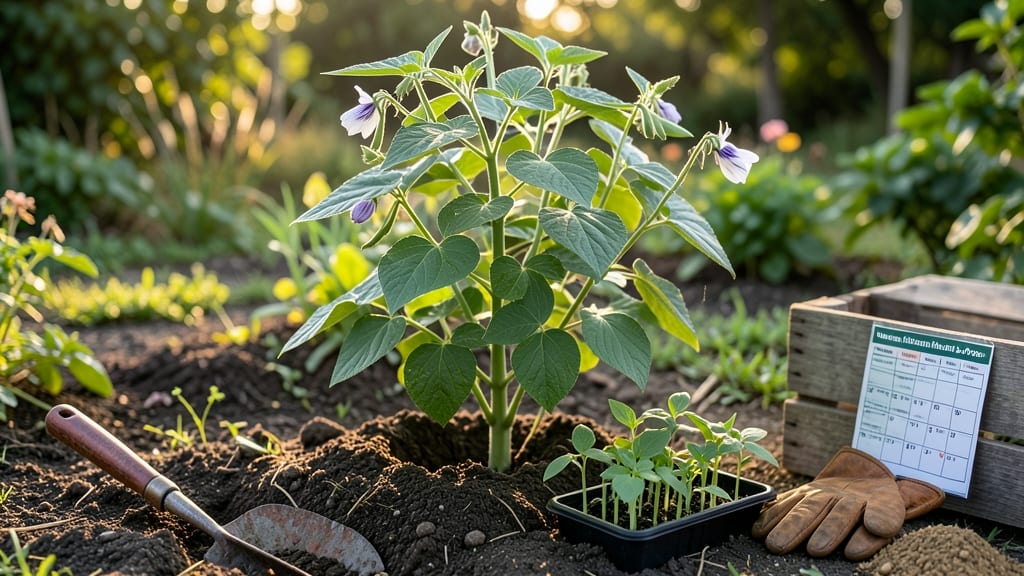
Planting beans in Zone 5 at the wrong time means watching your hard work vanish overnight—frost can turn tender seedlings into sad, mushy memories in a single chilly night.
The key to success? Timing your beans for soil temperatures above 60°F and after your last frost date, usually between mid-April and early June.
You might think "just plant them early" works, but beans are finicky—they won’t germinate well in cold soil, and a late frost can wipe out your crop before it even gets started.
That’s why knowing your Zone 5 frost-free window (typically mid-April to mid-October) is non-negotiable for a harvest from July to September.
Here’s the good news: with the right approach, you can stretch your bean harvest all summer long. Whether you’re a first-timer or a seasoned gardener, I’ll walk you through exactly when to sow your seeds—directly in the ground or indoors—and how to avoid common mistakes that ruin plantings.
Ready to turn your garden into a bean bonanza? Let’s dive into the perfect planting schedule for Zone 5, so you can enjoy fresh-picked beans from your own backyard.
Zone 5 bean planting calendar: soil temps, frost dates & best months
Beans thrive in Zone 5’s warm soil but need precise timing—plant too early, and frost will kill your seedlings; too late, and you’ll miss your harvest window.
The golden rule? Wait until your soil temperature hits 60°F (15°C) and your last frost date has passed, usually between mid-April and early June.
Your Zone 5 frost-free window typically spans from mid-April to mid-October, giving you about 165 frost-free days. This means your harvest window—July to September—is your prime time for fresh-picked beans. But don’t wait until the last minute; beans need time to grow.
Here’s the key: Bush beans (like 'Blue Lake') mature faster (50–60 days), while pole beans (like 'Kentucky Wonder') take longer (60–75 days). Plant bush beans first for an early harvest, then follow with pole beans for a longer season.
| Stage | Bush Beans | Pole Beans |
|---|---|---|
| Soil Temp | 60°F+ | 60°F+ |
| Planting Time | Mid-April to May | Late May to June |
| Harvest Window | July to August | August to September |
| Days to Maturity | 50–60 days | 60–75 days |
| Succession Planting | Every 2 weeks | Every 3 weeks |
If you’re in a warmer microclimate (like near a south-facing wall), you might push bush beans as early as late April. But if your area gets late frosts, wait until early May to be safe.
Always check your local frost dates—they can vary by 1–2 weeks even within Zone 5.
For pole beans, which take longer to mature, plant in late May or early June. This gives them enough time to establish roots and produce pods before cooler fall temperatures slow growth. If you’re unsure, opt for cold-tolerant varieties like 'Provider' or 'Kentucky Wonder'—they handle cooler soil better.
Pro tip: Use a soil thermometer to confirm your soil is warm enough. Stick it in the ground 2 inches deep (where beans will germinate) and wait until it reads 60°F or higher for at least a few days.
This small step saves you from planting too soon and risking frost damage.
Once your beans are in the ground, keep them consistently moist but not soggy. Mulch around the base with straw or grass clippings to retain moisture and regulate soil temperature. This helps your plants thrive even if summer brings heatwaves or occasional rain.
Remember, beans are fast growers, but they won’t wait forever. If you miss the ideal window, you can still try planting late varieties in early July for a fall harvest—just be prepared to protect them from early frosts with row covers or black plastic mulch.
With the right timing, you’ll enjoy a steady supply of fresh beans from July through September. And if you play your cards right, you might even sneak in a second planting for a late-summer bonus! 🌱
How to extend your bean harvest in Zone 5: succession planting & cold-tolerant varieties
Want a continuous supply of fresh beans all summer? The secret is succession planting—staggering your plantings every 2–3 weeks to keep pods coming. In Zone 5, this means starting your first batch in mid-April (if soil is warm) and making follow-up plantings until early July.
This way, you’ll enjoy harvests from July through September without gaps.
Beans are fast growers, but they won’t wait forever. For bush beans, plant new seeds every 2 weeks after your first planting. Pole beans, which take longer to mature, can be spaced 3 weeks apart. This method ensures you’re always harvesting while others are still growing.
- 🌱 Start early: Plant your first batch of bush beans in mid-April (if soil is 60°F+).
- ⏰ Stagger plantings: Add new seeds every 2 weeks for bush beans, 3 weeks for pole beans.
- 🌡️ Choose cold-tolerant varieties: 'Provider' or 'Kentucky Wonder' handle cooler soil better.
- 🛡️ Protect late plantings: Use row covers or black plastic mulch for early July plantings.
- 🌿 Mulch heavily: Straw or grass clippings keep soil warm and retain moisture.
If you’re worried about late frosts ruining your harvest, opt for cold-tolerant varieties like 'Provider' or 'Kentucky Wonder'. These varieties can handle cooler soil temperatures and give you a head start.
For even more protection, use row covers or black plastic mulch to warm the soil and shield young plants from unexpected chills.
Don’t forget to harvest regularly—picking beans frequently encourages more production. If you see pods starting to swell with seeds, snip them off to keep the plant focused on producing new ones. This simple habit can double your yield over the season.
For a late-summer bonus, try planting a final batch in early July. Use cold-hardy varieties and protect them with row covers if frost threatens. With this strategy, you’ll enjoy fresh beans well into September, extending your harvest by weeks.
With succession planting, you’ll never run out of fresh-picked beans again. Plus, it’s a great way to experiment with varieties—try a mix of bush and pole beans for diversity in your garden. Happy planting! 🌱