
Plants
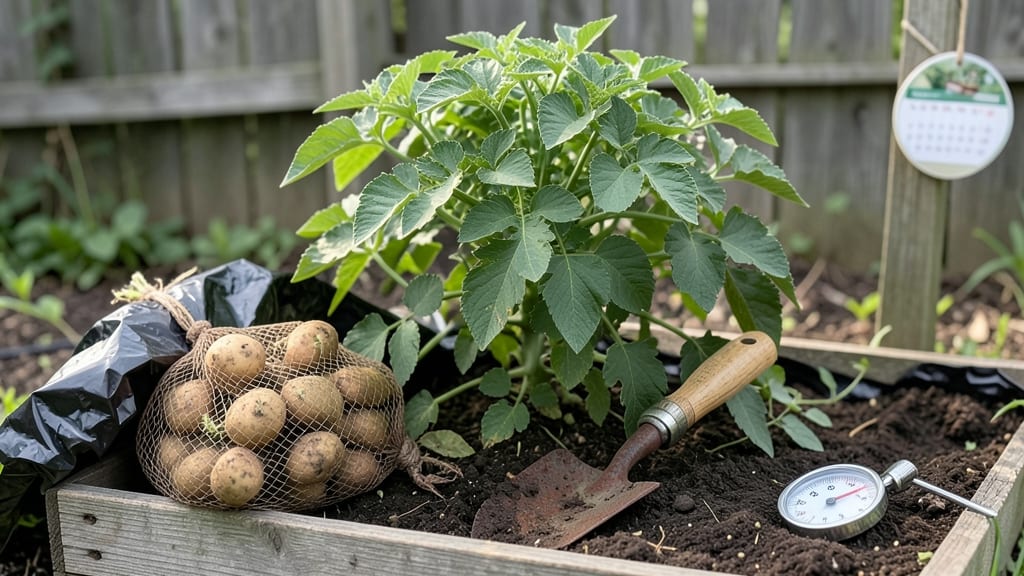
Planting your 🥔 potatoes at the right time in Zone 6 could mean the difference between a thriving harvest and wasted effort—get the timing wrong, and frost will steal your crop before it even sprouts.
Most gardeners in Zone 6 know the basics: potatoes go in the ground as soon as the soil is workable, usually by early spring. But here’s the catch—early varieties can actually handle late winter planting, while late-season types need warmer soil to avoid rot.
I’ll break down the exact windows, soil temperature tricks, and how to adjust for frost risks so you don’t miss a single harvest.
Whether you’re chitting seed potatoes indoors or planting directly, knowing when to start is the key to avoiding common mistakes like frost damage or stunted growth. Let’s dive into the best dates, soil prep, and care tips to ensure your Zone 6 potatoes thrive from seed to harvest.
From spacing to succession planting, I’ll cover everything you need to maximize your yield before the first frost hits. Ready to grow potatoes like a pro? Let’s get started.
Optimal planting windows for potatoes in Zone 6 by variety type
In Zone 6, potatoes thrive when planted at the right time—too early risks frost damage, while late planting cuts harvests short. My goal is to help you align your planting schedule with your potato variety and last frost date (typically mid-April).
Early varieties need a head start, while late-season types can wait until soil warms.
Start by checking your soil temperature—potatoes prefer 40–50°F for planting. In Zone 6, this usually means late March or early April, but timing varies yearly. For early harvests, plant 4–6 weeks before last frost; for late-season storage, wait until soil is consistently 50°F.
I’ve planted Yukon Gold (mid-season) in early April and Red Pontiac (late-season) in late April—both yielded well. The key is matching your variety’s days to maturity (60–120 days) to your frost-free window (165 days in Zone 6).
| Variety Type | Days to Maturity | Planting Window | Soil Temp | Harvest Window | Notes |
|---|---|---|---|---|---|
| Early (e.g., Red Norland) | 60–90 days | Late March–early April | 40–45°F | Late May–early June | Best for new potatoes; frost-tolerant. |
| Mid-season (e.g., Yukon Gold) | 90–110 days | Early–mid April | 45–50°F | June–July | Balanced yield; store well. |
| Late (e.g., Russet) | 110–120 days | Mid–late April | 50°F+ | July–August | Best for storage potatoes. |
| Fingerlings (e.g., Purple Peruvian) | 80–100 days | Early April | 45–50°F | June–July | Compact; great for containers. |
For Zone 6 gardeners, I recommend planting early varieties in late March to beat frost and late varieties in mid-April for summer harvests. Use chitted potatoes (sprouted seed potatoes) to jumpstart growth—place them in a sunny window 4–6 weeks before planting.
Pro tip: If your soil stays cold, use black plastic mulch to warm it faster. I’ve seen a 10°F temperature boost in just a few days, speeding up sprouting. Test soil depth too—plant 4 inches deep with 12-inch spacing to prevent rot and encourage tuber formation.
Don’t forget succession planting! In Zone 6, you can plant every 2–3 weeks from April to June for a staggered harvest. For example, plant Red Pontiac in early April, then again in mid-May for a late-summer crop.
Watch for late frost warnings in your area—Zone 6’s unpredictable spring can delay planting. Use frost cloth if temperatures dip below 32°F after sprouting. I’ve lost entire rows to frost, but a simple row cover saved my Yukon Golds one year.
Finally, mark your calendar for harvest time. Early varieties are ready in 60–90 days (late May–June), while late varieties take 110–120 days (July–August). Stop watering 2 weeks before harvest to toughen skins and prevent scab.
With the right timing, your Zone 6 potato patch can yield 5–10 lbs per plant—worth the effort! 🥔
Optimal planting windows for potatoes in Zone 6 by variety type
In Zone 6, your potato planting window starts 4-6 weeks before the last frost date, which typically falls around mid-April.
However, the exact timing depends on your potato variety—early types like Red Pontiac can handle planting as early as late February if soil temperatures stay above 40°F, while late varieties like Yukon Gold need warmer soil (50°F+) and should wait until mid-April.
Soil temperature is critical—cold soil delays sprouting and increases rot risk. Use a soil thermometer to check: 45°F+ is ideal for planting. If your soil is still too cold, opt for chitting (pre-sprouting) indoors to jumpstart growth.
I’ve found that starting seed potatoes in bright light at 60-65°F for 4-6 weeks before planting gives them a head start against Zone 6’s unpredictable spring frosts.
🥔 Zone 6 Potato Planting Guide by Variety
| Variety Type | Planting Window | Soil Temp Requirement | Days to Harvest | Frost Risk |
|---|---|---|---|---|
| Early (e.g., Red Pontiac, Irish Cobbler) | Late Feb–Early April | 40–45°F | 70–90 days | High (plant early!) |
| Mid-Season (e.g., Yukon Gold, Kennebec) | Mid-April–Early May | 50–55°F | 90–110 days | Moderate (avoid late planting) |
| Late (e.g., Fingerlings, Russian Banana) | Early–Mid May | 55–60°F | 100–120 days | Low (longer season) |
💡 Pro Tip: For Zone 6, aim to harvest before mid-October when first frosts arrive.
For early varieties, I recommend planting in late February if you’re using a cold frame or row cover to protect seedlings.
These varieties mature quickly (70–90 days), so they can escape frost before it becomes a threat. Mid-season types like Yukon Gold are my go-to for Zone 6—they strike a balance between frost risk and harvest timing, giving you tubers ready by late July.
If you’re growing late varieties, delay planting until early May to avoid early-season frosts. These potatoes take longer to mature (100–120 days), so they’ll be ready for harvest just as summer transitions to fall.
I’ve had success with Russian Banana potatoes planted in May—they thrive in Zone 6’s warmer soil and produce abundant harvests by September.
One trick I swear by is succession planting: start with early varieties in February, then follow with mid-season types in April, and finish with late varieties in May.
This way, you’ll have a continuous harvest from June through September. Just be sure to space your plantings 3–4 weeks apart to avoid overcrowding.
Finally, always monitor your local frost dates—Zone 6 can be unpredictable! Use the National Weather Service or a frost calendar for your specific area. If frost is forecasted after planting, cover seedlings with row fabric or a cloche until temperatures rise.
With the right timing, your Zone 6 potato patch can yield 50–100 lbs per 100 sq ft—worth the effort!