
Companion Plants
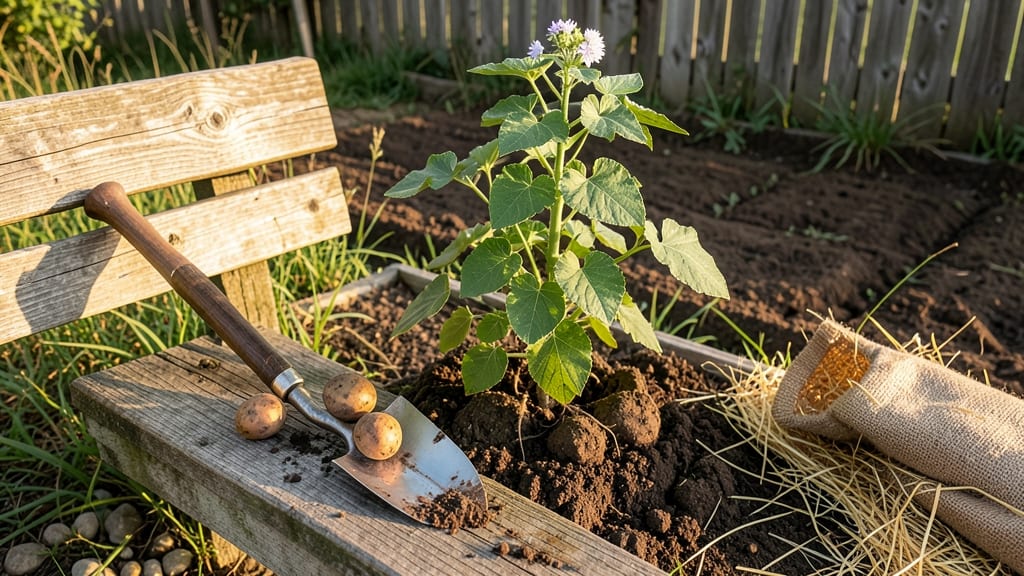
Planting potatoes in Texas isn't just about digging a hole and dropping in seed potatoes—get the timing wrong, and you might end up with stunted 🥔 harvests or worse, no potatoes at all.
With Texas' diverse climate zones—from North Texas' chilly springs to South Texas' balmy winters—knowing the exact window to plant can mean the difference between a thriving crop and wasted effort.
Whether you're in Zone 7b-8a or Zone 9a-11, the key is planting 4-6 weeks before the last frost (or timing it right for South Texas' winter harvest). I've tested these strategies across Texas' heat zones, and the results speak for themselves: bigger yields and happier gardeners.
Let me show you the heat-zone-specific schedule that works, so you can avoid common mistakes like planting too early or too late.
You don’t need a green thumb to grow potatoes in Texas—just the right timing and a few smart tricks. We'll cover everything from soil temperature requirements to heat-tolerant varieties that thrive in 100°F+ summers.
Whether you're a first-time gardener or a seasoned pro, these insights will help you plant with confidence and harvest like a local.
Ready to turn your Texas garden into a potato powerhouse? Let’s dive into the exact dates and proven methods that’ll have you digging up golden tubers in no time—no guesswork required.
Texas heat-zone planting calendar: exact dates for frost-free potato success
Texas isn't your typical potato-growing state, but with the right timing, you can absolutely grow them successfully. The key is understanding your USDA hardiness zone and planting 4-6 weeks before the last frost date—which varies dramatically from North to South Texas.
In North Texas (Zones 7b-8a), your window is tight, while South Texas (Zones 9a-11) offers more flexibility with fall plantings.
Potatoes need 45-60 days of cool soil temperatures (below 70°F) to sprout properly. If you plant too early in warm zones, your seed potatoes will rot before sprouting.
Meanwhile, planting too late risks heat stress or even volunteer frost in North Texas. Let's break down the exact dates by region to maximize your harvest.
🌱 Texas Potato Planting Guide by Region
| Region | USDA Zones | Last Frost Date | Ideal Planting Window | Soil Temp Requirement |
|---|---|---|---|---|
| North Texas | 7b-8a | March 15 | Late February - Early March | 45-55°F (7-13°C) |
| Central Texas | 8a-9a | February 15 | January - Early February | 50-60°F (10-16°C) |
| South Texas | 9a-11 | January 15 (rare) | October - November (fall) OR February (spring) | 55-65°F (13-18°C) |
If you're in North Texas (Zones 7b-8a), aim for planting between February 20 and March 5. This gives your potatoes enough time to establish roots before the last frost hits around March 15.
For Central Texas (Zones 8a-9a), you can start as early as January 15, but avoid planting before January 1—soil temperatures are often too warm for proper sprouting.
South Texas gardeners have the most flexibility. You can plant two crops per year: a fall crop in October-November for a winter harvest or a spring crop in February for a summer harvest.
Just be sure to use heat-tolerant varieties like 'Red LaSoda' or 'Yukon Gold' to avoid tubers turning green from too much sun.
One common mistake is planting too late in North Texas. If you wait until after March 15, your potatoes may bolt (flower) prematurely, leading to small, bitter tubers.
Conversely, planting too early in warm zones like South Texas can cause pre-sprouting rot—when seed potatoes sprout in the bag and rot before planting.
For all regions, chit your seed potatoes (pre-sprout them indoors) 4-6 weeks before planting. This gives you a head start and ensures even germination. Place seed potatoes in a bright, cool spot (around 55-60°F) and watch for 1-inch sprouts before planting.
Another critical factor is soil preparation. Texas soils can be heavy clay or sandy, both of which need amending. Work in 3-4 inches of compost or well-rotted manure to improve drainage and fertility.
Potatoes hate soggy soil, so if your yard floods easily, consider raised beds or containers for better control.
Finally, remember that Texas summers are brutal for potatoes. If you plant in spring, harvest by June 1 to avoid heat stress. For South Texas fall plantings, aim to harvest by December 15 before temperatures drop too low.
With these precise timing guidelines, you'll avoid the most common pitfalls and enjoy a bountiful, homegrown potato harvest—even in the Lone Star State! 🥔
How to adjust potato planting for Texas' extreme heat and humidity
Texas summers can turn your potato patch into a sauna if you're not careful. The key to success is heat-adaptive planting—timing your crops to avoid peak temperatures while still maximizing the growing season.
In North and Central Texas, this means planting early spring (February-March) before soil temps exceed 85°F, while South Texas gardeners can extend their season with fall plantings (October-November).
Your first defense against Texas heat is soil preparation. Amend your beds with 3-4 inches of compost to improve moisture retention and add organic mulch (straw or grass clippings) to keep roots cool.
This simple step can reduce soil temperatures by 10-15°F, giving your potatoes a fighting chance during scorching afternoons.
🚨 WARNING: Overwatering in heat is just as dangerous as underwatering. Potatoes need consistent moisture, but soggy soil leads to disease outbreaks like blight. Water deeply in the morning (1-2 inches per week) and avoid wetting foliage.
For container-grown potatoes, check soil moisture daily—pots dry out 3x faster than in-ground beds.
⚠️ Heat Stress Red Flags
Wilting leaves by noon = Your potatoes are thirsty. Purple-tinged stems = Nitrogen deficiency from heat stress. Yellowing foliage could mean blight—act fast by improving airflow and reducing watering frequency.
Solution: Apply shade cloth (30-50%) during peak sun (11 AM-3 PM) and switch to drip irrigation to keep foliage dry.
For South Texas gardeners, where summers are relentless, consider shade-tolerant varieties like 'Red LaSoda' or 'Yukon Gold'—they handle partial shade better than standard types. Plant in elevated beds or containers to improve drainage, and harvest early (60-70 days) before temperatures climb above 95°F.
Even with these adjustments, expect reduced yields compared to cooler regions.
One often-overlooked trick is succession planting. Instead of one massive planting, try two smaller batches: one in early spring (February) and another in late summer (August) for a fall harvest.
This spreads out your labor and ensures you're not fighting the heat head-on. Just remember: August plantings need to mature before the first frost (usually December 1 in Central Texas).
Finally, monitor your plants daily during heatwaves. If you see stunted growth or leaf scorch, it's time to intervene. Move containers to shadier spots, increase mulch depth, and pause fertilizing—potatoes under stress can't handle extra nutrients.
With these adjustments, you can turn Texas' brutal summers into a manageable (and even productive) potato-growing season.