
Planting
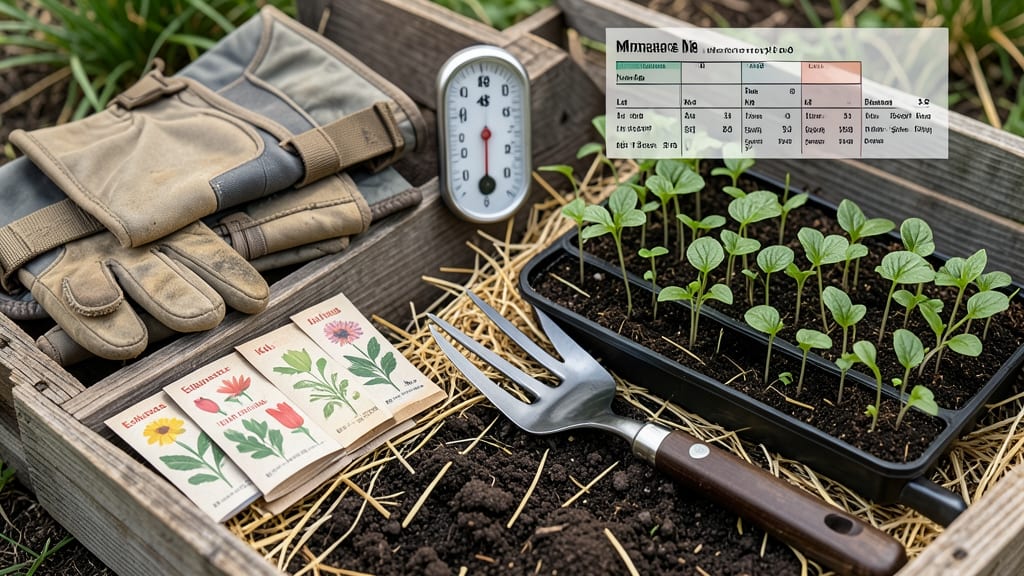
Timing your garden planting in Minnesota isn’t just about throwing seeds in the dirt—it’s about beating the clock on frost damage or missed harvests.
With Zone 3b to 5a conditions, knowing when to plant your General Minnesota Garden 🌱 can mean the difference between a bumper crop and a sad, withered disappointment.
Most gardeners wait until late April to mid-June, but that’s not a one-size-fits-all rule. The last frost in Minnesota varies wildly—some years it’s May 15, others June 1—so checking local forecasts is your first step to success.
Even experienced growers get tripped up by unexpected late frosts, so planning ahead is everything.
In this guide, I’ll break down the exact windows for planting everything from cold-hardy kale to heat-loving tomatoes, plus pro tips for extending your season with row covers.
Whether you’re a first-timer or a veteran gardener, these strategies will help you maximize your 120 to 160 frost-free days like a pro.
Ready to turn your Minnesota garden into a thriving oasis? Let’s dive into the frost-free timeline that’ll have your plants growing strong from spring to fall.
Minnesota Zone 4B planting timeline: frost dates and hardiness zones
Minnesota’s Zone 4B climate means gardeners must work with a 120–160-day growing season, making timing everything. The last spring frost typically arrives between May 15 and June 1, while the first fall frost hits September 15 to October 1.
These dates vary by region—southern Minnesota (like Rochester) may see frost-free windows 2–3 weeks earlier than northern areas (e.g., Duluth).
Use the USDA Plant Hardiness Zone Map to fine-tune your schedule. For example, Twin Cities gardeners (Zone 4B) can plant cold-hardy crops like peas and spinach 2–3 weeks earlier than northern Minnesota (Zone 3B), where frost lingers longer.
Always check your local microclimate—urban areas like Minneapolis can be 2–5°F warmer than rural zones due to the "heat island" effect.
Here’s how to align your planting with Minnesota’s frost timeline. Start by marking May 15 as your safe transplant date for frost-sensitive plants like tomatoes and peppers. For fall planting, aim to sow seeds by August 1 to harvest before the first frost.
Use row covers or cold frames to extend these windows by 2–4 weeks on either end.
| Plant Type | Cold Hardiness | Ideal Planting Window | Notes |
|---|---|---|---|
| Cold-Hardy Crops | Survive 28°F+ | Late April–May 15 (spring) or August–Sept 1 (fall) | Peas, spinach, kale, lettuce, radishes |
| Frost-Sensitive Crops | Die at 32°F+ | After May 15 (spring) or before Aug 1 (fall) | Tomatoes, peppers, cucumbers, basil |
| Perennials/Shrubs | Zone 3B–5A | Early spring (April) or fall (Sept–Oct) | Raspberries, asparagus, coneflowers |
| Bulbs | Zone 3B–4B | Fall (Sept–Oct) for spring bloom | Tulips, daffodils, crocus |
For urban gardeners in Minneapolis or St. Paul, microclimates can shift planting dates. South-facing walls or rooftops may warm up 1–2 weeks earlier than ground-level gardens.
Test your soil temperature with a soil thermometer—aim for 50°F for most vegetables before planting. Clay-heavy soils common in Minnesota retain cold longer, so amend with compost or sand to warm up faster.
Adjust for succession planting by sowing fast-growing crops like radishes or lettuce every 2 weeks from May to July. This ensures a continuous harvest before frost. Keep a gardening journal to track your local frost dates—Minnesota’s weather is unpredictable, and your notes will help refine future planting schedules.
If you’re new to Minnesota gardening, start with cold-hardy crops like spinach or peas in early spring. These tolerate light frosts and give you confidence before tackling tomatoes or peppers after the last frost. For northern Minnesota (Zone 3B), delay planting until June 1 to avoid frost damage entirely.
Pro tip: Use frost dates from local weather stations (like the MN State Climatology Office) for the most accurate timeline. These resources update annually and account for climate shifts. Pair this data with your USDA zone to create a customized planting calendar that maximizes your Minnesota garden’s potential.
Remember, fall planting is just as critical as spring. Many cool-season crops thrive in Minnesota’s
Best vegetables to plant in Minnesota’s short season: fast-growing vs. long-season crops
Minnesota’s 120–160 frost-free days mean choosing the right vegetables is everything. Fast-growing crops like radishes and bush beans thrive in just 30–60 days, while longer-season varieties (e.g., tomatoes) need 70–90 days of warmth. Here’s how to maximize your harvest with smart selections.
Start with cool-season crops like spinach and kale, which tolerate light frosts. Plant these 4–6 weeks before last frost (late April). For warm-season crops, wait until soil hits 50°F and all frost risk has passed—usually mid-May to early June.
🌱
- 🌱 Radishes (25–30 days) – Plant every 2 weeks for continuous harvests. Tolerates cool soil.
- 🌿 Bush Beans (50–60 days) – Direct-sow after last frost. Choose ‘Blue Lake’ for high yields.
- 🥬 Lettuce (30–50 days) – Successive plantings every 10–14 days extend harvests into fall.
- 🥕 Turnips (50–60 days) – Roots and greens are edible. Ideal for early spring or late summer.
- 🌶️ Peppers (70–85 days) – Start indoors in March and transplant after last frost. Use black plastic mulch to warm soil.
For long-season crops, prioritize compact varieties or use row covers to extend the season. Tomatoes (e.g., ‘Early Girl’) need 70 days, while cucumbers (‘Straight Eight’) mature in 55 days. Plant these after June 1 to avoid frost.
Succession planting is your secret weapon. Replace harvested lettuce or radishes with bush beans or carrots every 2–3 weeks to keep your garden productive. In containers? Try ‘Patio’ varieties of tomatoes or ‘Thumbelina’ carrots—they’re perfect for balconies.
🌿
Pro tip: Use straw mulch around plants to retain moisture and cool soil during heatwaves. In northern Minnesota, opt for earlier-maturing varieties (e.g., ‘Early Wonder’ peas) to beat the first frost. With the right choices, you’ll turn Minnesota’s short season into a bountiful harvest!