
Plants
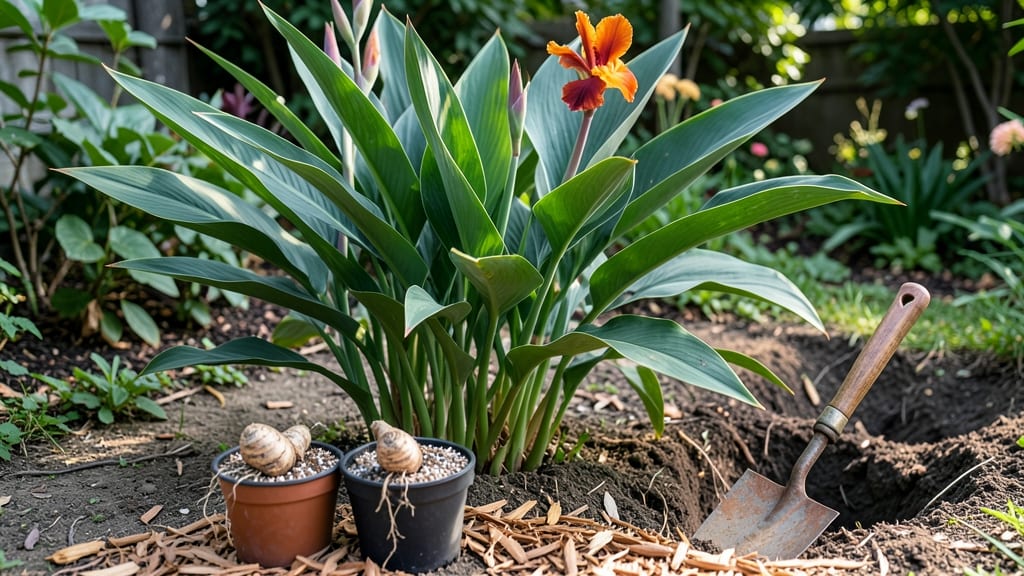
Timing your canna planting in Zone 7 can make or break those stunning 🌺 blooms you’ve been dreaming of—get it wrong, and frost could nip your progress in the bud before summer even begins.
Most gardeners in 7a-7b rush to plant as soon as soil looks workable, but cannas need warmth to thrive. Waiting until soil temperatures hit at least 60°F—typically mid-April to early June—gives those rhizomes the jumpstart they crave.
Here’s the game-changer: a few weeks of patience after your last frost date (usually around April 15) ensures your cannas burst into growth just as summer heats up, setting the stage for months of bold color.
I’ll walk you through exactly when to plant, how to prep your soil, and even how to extend your season if you’re late to the game—so you can enjoy those dramatic 🌺 blooms from midsummer until frost.
Optimal planting windows for cannas in Zone 7: avoiding frost and maximizing blooms
Cannas thrive in Zone 7's warmth, but timing your planting is critical to avoid frost damage and maximize those show-stopping blooms. In this zone, the last average frost date falls around April 15, but soil temperature is just as important as air temperature.
Your cannas need soil temps above 60°F to sprout reliably, which often means waiting until late April or early May in most of Zone 7.
For the most dramatic display, aim to plant your canna rhizomes between mid-April and early June. This window gives your plants enough time to establish roots before summer's heat peaks.
However, if you're in Zone 7a (colder end of the spectrum), you might need to push planting back until late May to avoid late spring frosts that can still occur.
Here's the key: Northern Zone 7 (like parts of Virginia or the Appalachians) has a shorter growing season, while Southern Zone 7 (like North Carolina or Georgia) can support earlier planting. Always check your local microclimate—urban areas may warm up faster than rural spots, giving you an earlier start.
🌱
| Planting Stage | Zone 7a (Colder) | Zone 7b (Warmer) | Key Consideration |
|---|---|---|---|
| Soil Temperature | Wait until 60°F+ (usually late May) | Ready by early May | Use a soil thermometer for accuracy |
| Last Frost Date | April 20-May 5 | April 10-20 | Wait 2 weeks after last frost for safety |
| Ideal Planting Window | Late May to early June | Mid-April to late May | Earlier planting = longer bloom time |
| Bloom Expectation | July to first frost | June to October | Warmer zones get extended seasons |
| Late Planting Cutoff | June 15 (risky) | June 30 (with protection) | Use row covers for late starts |
If you're eager to get started but concerned about frost, consider container growing—pots can be moved to protected spots if temperatures dip unexpectedly. For in-ground planting, choose south-facing locations where warmth lingers longer into the evening. This microclimate trick can shave off critical weeks of cold exposure.
Pro tip: Pre-sprout your rhizomes indoors 4-6 weeks before your target planting date. Place them in a warm, bright spot (like on top of your fridge) and watch for green shoots. Once they're 2-3 inches tall, they're ready to transplant outdoors—this gives you a 2-week head start on growth.
Remember that cannas are tender perennials in Zone 7, meaning they'll die back in winter. Planting too early risks losing your entire plant to frost, while planting too late means missing out on months of bold foliage and vibrant blooms.
The sweet spot balances these risks for maximum summer impact.
For those in Zone 7a, don't be tempted to plant early—even a light frost can kill emerging shoots. Instead, use the extra time to prepare your soil and get your garden beds ready for when the temperature finally cooperates.
🌺
Signs your Zone 7 soil is ready for cannas (and how to prep it right)
Before sticking those canna rhizomes in the ground, your Zone 7 soil needs to hit the sweet spot—warm, well-draining, and rich in nutrients. Cold soil shocks tender roots, while soggy soil invites rot. Let’s break down the key soil readiness signs and how to prep it like a pro.
First, check your soil temperature. Cannas demand warmth—aim for 60°F or higher. Use a soil thermometer (or press your hand into the ground; if it’s too cool to keep there for 10 seconds, wait).
In Zone 7, this usually aligns with mid-April to early May, but microclimates vary.
Next, test drainage. Dig a hole, fill it with water, and time how long it takes to drain. If water lingers past an hour, amend with compost or perlite to loosen the soil. Cannas hate soggy feet—well-draining soil is non-negotiable.
🌱 Pro Tip: Mix in aged compost or a balanced fertilizer (10-10-10) to boost nutrients. Work it into the top 12 inches of soil where rhizomes will nestle. Avoid fresh manure—it can burn delicate roots.
⚠️ Common Mistake Alert!
Planting in cold soil stunts growth and invites disease. Over-fertilizing early can scorch rhizomes. Skipping mulch leads to moisture loss and weed competition.
Mulch is your secret weapon for Zone 7 cannas. Apply 2-3 inches of organic mulch (straw or shredded leaves) after planting to retain moisture and regulate soil temperature. This keeps roots cozy during heatwaves and protects them from late-spring frosts.
Finally, pH matters. Cannas thrive in slightly acidic to neutral soil (6.0-7.0 pH). Test your soil with a kit—if it’s off, adjust with lime (to raise pH) or sulfur (to lower pH). Happy roots = happy blooms!
With these prep steps, your Zone 7 soil will be a canna’s dream come true—warm, fertile, and ready to launch those dramatic summer blooms by June. 🌺