
Plants
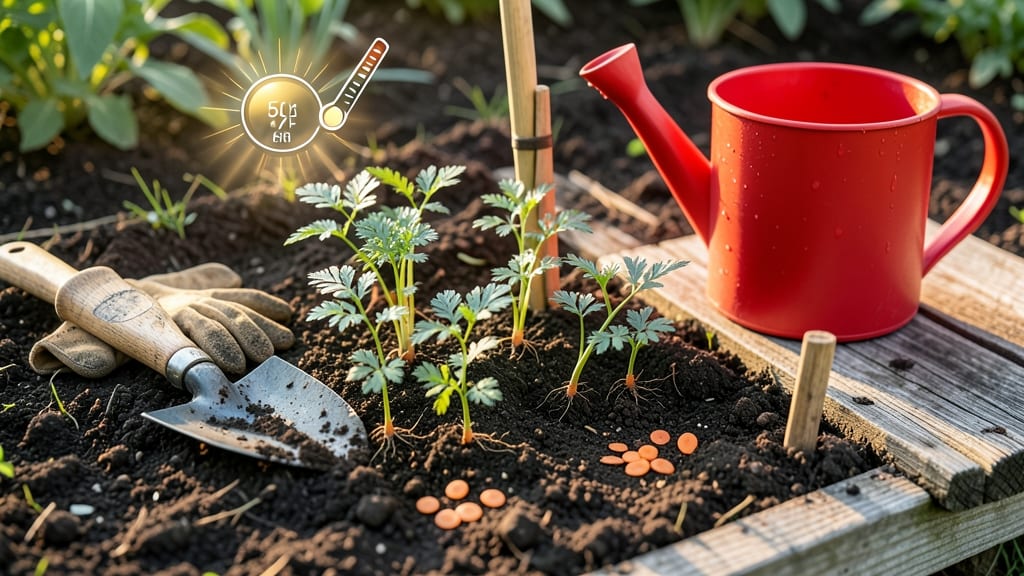
Timing your 🥕 carrot planting in North Carolina can make or break your harvest—plant too early, and frost will ruin your tender seedlings; too late, and your roots might bolt before reaching their full sweetness.
The key is understanding the perfect windows for your specific zone, whether you're in the Piedmont, Coastal Plain, or Mountains.
For most of North Carolina's 7a-8b zones, spring planting should start between mid-February and early April, while fall planting works best from late July to early September.
These windows align with soil temperatures and frost patterns to give your carrots the best chance at growing straight and flavorful.
I’ll break down exactly when to plant in your area, how to prepare your soil for those crisp, straight roots, and even share my top tips for succession planting to keep a steady supply all season. Let’s get those carrots growing right!
Whether you're a first-time gardener or a seasoned pro, these insights will help you avoid common mistakes and maximize your harvest. Ready to dig in?
Best planting times for carrots in North Carolina’s climate zones
North Carolina’s diverse climate—from the humid Coastal Plain to the cooler Appalachian Mountains—means your 🥕 carrot planting schedule should vary slightly by region. The state spans USDA zones 7a-8b, with last frost dates ranging from mid-March in the Piedmont to early April in the Mountains.
To avoid frost damage and ensure germination, aim for soil temperatures above 50°F (10°C).
For most gardeners, the ideal spring window is mid-February to early April, while fall planting works best from late July to early September. Coastal areas can start slightly earlier, while mountain regions may need to delay until after the last frost.
Let’s break down the specifics for your zone.
| Region | Spring Planting Window | Fall Planting Window | Last Frost Date | Soil Temp for Germination |
|---|---|---|---|---|
| Coastal Plain (Zones 8a-8b) | Late January - Mid-March | Early August - Late August | Mid-February | 55°F (13°C) |
| Piedmont (Zones 7b-8a) | Mid-February - Early April | Late July - Early September | March 15 | 50°F (10°C) |
| Mountains (Zones 7a-7b) | Early April - Mid-May | Late August - Early September | April 15 | 50°F (10°C) |
*Adjust dates based on your specific microclimate and frost history.
In the Coastal Plain, where winters are milder, you can start seeds as early as late January under row covers or in a greenhouse. The Piedmont region, which includes Raleigh and Charlotte, offers the most flexibility with a 6-week window for spring planting.
Meanwhile, mountain gardeners in Asheville or Boone should wait until after April 15 to avoid late frosts.
For fall planting, prioritize varieties like ‘Danvers’ or ‘Nantes’, which mature quickly before winter sets in. In the Coastal Plain, aim for early August to harvest before the first frost in mid-November.
In the Mountains, a late August start gives carrots time to mature before the first frost around October 15.
Pro tip: Use a soil thermometer to confirm temperatures are ideal before planting. Carrot seeds need consistent warmth to germinate—if soil is too cold, they’ll rot instead of sprout. I always test a few spots in my garden to ensure uniformity.
Another key factor is daylength. Carrots grown in long summer days (like July-August) may bolt prematurely. To prevent this, choose shorter-day varieties or use shade cloth during peak heat. I’ve had success with ‘Paris Market’ carrots in late summer, as they mature faster and tolerate heat better.
Don’t forget to account for harvest timing. Most carrots take 70 days to mature, so plan your fall planting to finish before the first frost. For example, a late July planting in the Piedmont should yield harvest-ready carrots by early October, just before temperatures drop.
If you’re unsure about your local frost dates, check the NC State Climate Office or use a frost calendar for your county. I’ve found that microclimates—like a sunny hillside or shaded valley—can shift frost dates by 1-2 weeks, so observe your garden’s patterns over time.
Finally, consider succession planting every 2-3 weeks during your ideal window to ensure a steady supply. This works especially well in spring, where staggered plantings prevent a glut of mature carrots all at once. With the right timing, you can enjoy fresh, homegrown carrots from May through November!
How to extend your carrot harvest season in North Carolina
Extending your carrot harvest beyond a single season is all about strategic planning. In North Carolina’s 7a-8b zones, you can enjoy fresh carrots from early spring to late autumn with the right techniques.
The secret lies in succession planting, seasonal varieties, and protective measures like cold frames or row covers.
Start with spring succession planting every 2-3 weeks from mid-February to early April. This staggered approach ensures a continuous supply of baby carrots or mature roots. For example, plant one batch in late February, another in early March, and a final batch in late March.
This way, you’ll have harvests in April, May, and June.
- 🌱 Spring Succession: Plant every 2-3 weeks from Feb-Apr for May-June harvests.
- 🌿 Fall Varieties: Choose ‘Danvers’ or ‘Nantes’ for late-season growth.
- ❄️ Cold Protection: Use row covers in early spring/fall to extend season by 2-3 weeks.
- 🌡️ Soil Warmth: Test soil temps—carrots need 50°F+ to germinate.
- 🥕 Quick Maturing: Try ‘Paris Market’ (50 days) for summer plantings.
For fall harvests, focus on quick-maturing varieties like ‘Paris Market’ (50 days) or ‘Little Finger’ (55 days). Plant these in late July to early August to harvest before the first frost.
In the Coastal Plain, aim for an early August start, while mountain gardeners should plant in late August.
Protective measures like row covers or cold frames can extend your season by 2-3 weeks in both spring and fall. I’ve used floating row covers to shield seedlings from late frosts in April and early October harvests. These lightweight fabrics allow sunlight while blocking cold winds and pests.
Another trick is interplanting with fast-growing crops like radishes or spinach. Radishes mature in 30 days, giving you an early harvest while your carrots develop. After harvesting the radishes, the carrots have more space to grow straight and unobstructed.
Don’t overlook soil preparation for fall plantings. Amend your garden bed with compost in early summer to improve drainage and fertility. Carrots grown in rich, loose soil develop better flavor and texture, especially when harvested in cool autumn weather.
With these strategies, you can enjoy homegrown carrots from April through November—just in time for holiday meals! The key is balancing variety selection, planting timing, and protective measures to beat North Carolina’s unpredictable weather.