
Plants
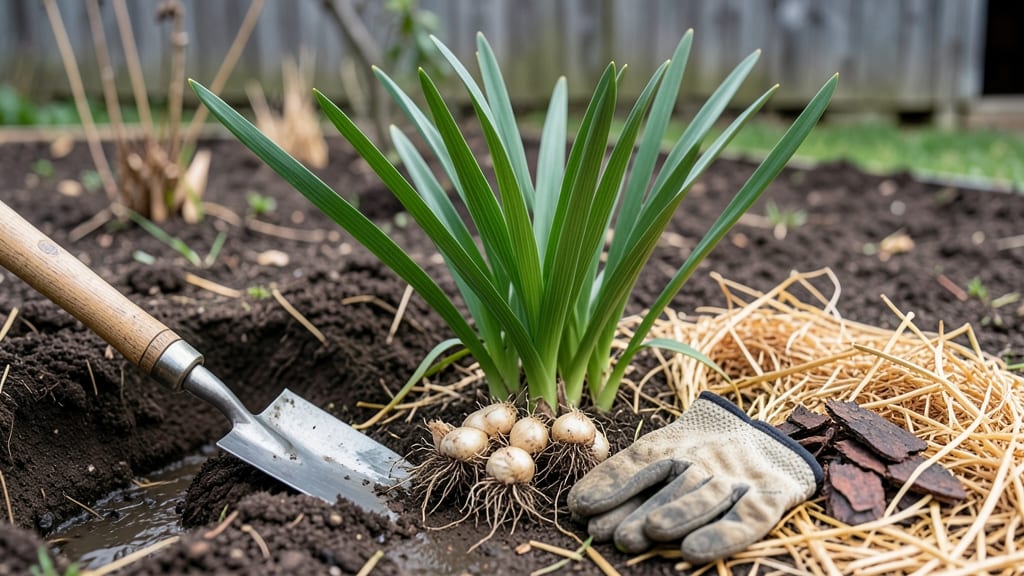
Timing your daylily bulbs 🌸 planting in Zone 5 can make or break your garden’s summer blooms—get it wrong, and you’ll end up with weak stems or missed growth entirely.
Unlike some plants that thrive in almost any season, daylilies demand precision, especially in Zone 5’s unpredictable swings between frost and heat.
The key is planting when the soil warms to at least 50°F—too early, and cold, wet soil can rot your bulbs; too late, and you risk stunted growth before summer’s peak.
Most gardeners in Zone 5 swear by two windows: spring (April–May) or early fall (September–October), but local frost dates and soil conditions tweak those rules.
I’ll break down exactly when to plant for maximum success, including how to adjust for early frosts or late springs.
You’ll learn the 5 critical factors to check before digging—soil temperature, frost risk, and even sunlight exposure—plus pro tips to extend your planting season if Mother Nature throws a curveball.
Whether you’re a first-time gardener or a seasoned pro, getting this right means vibrant blooms 🌸 from mid-summer onward. Let’s make sure your daylilies thrive—not just survive.
Best planting windows for daylily bulbs in Zone 5: spring vs fall breakdown
In Zone 5, daylilies thrive when planted during two key windows: late spring (April–May) or early fall (September–October). These periods balance soil warmth, frost risk, and root establishment—critical for hardy growth. Unlike tropical plants, daylilies tolerate cold soil but struggle in frozen ground, making timing everything.
Spring planting gives bulbs 6–8 weeks to root before summer heat, while fall planting lets them establish roots before winter dormancy. Both methods work, but regional frost dates in Zone 5 (e.g., Chicago’s May 15 last frost vs. Pittsburgh’s May 10) shift the ideal window by 5–7 days.
Use your local USDA frost map to fine-tune timing.
Here’s how the two seasons compare for Zone 5 daylilies, including soil temps, frost risks, and regional adjustments:
| Factor | Spring Planting (April–May) | Fall Planting (September–October) |
|---|---|---|
| Ideal Soil Temp | 50–60°F (10–15°C) | 50–65°F (10–18°C) |
| Frost Risk | Low after last frost (May 10–15) | Moderate (plant 6–8 weeks before first frost) |
| Root Establishment | 6–8 weeks before summer heat | 8–10 weeks before winter dormancy |
| Regional Adjustments | Wait until soil thaws (test with finger—should be workable) | Northern Zone 5 (e.g., Detroit): Plant by September 15 |
| Best For | Gardeners with early springs or late frosts | Gardeners with mild falls or early winters |
For spring planting, aim to get bulbs in the ground 2–4 weeks before your last frost date. In Zone 5, this typically means mid-April to early May. Use a soil thermometer to confirm temps are above 50°F—cold, wet soil can rot bulbs.
If your spring is unpredictable (like mine in Pittsburgh), opt for container planting to delay outdoor exposure until soil warms.
Fall planting offers a longer window (September–October) but requires planting 6–8 weeks before your first frost. In most of Zone 5, this lands between September 15 and October 15.
The goal is to let roots establish before winter, but avoid planting too late—bulbs need 4–6 weeks of root growth before dormancy. If you miss this window, overwinter bulbs in a cool, dry place (like a garage) and plant next spring.
One Zone 5-specific tip: If you’re in the northern half (e.g., Chicago, Detroit), prioritize fall planting—spring thaws arrive late, and bulbs planted in cold soil may rot. Conversely, in the southern half (e.g., Pittsburgh, Columbus), spring planting often yields faster blooms because winters are shorter.
Test your soil’s drainage before planting in either season—daylilies hate soggy roots.
Pro tip: Mulch heavily after planting (3–4 inches of straw or shredded leaves) to insulate roots in both spring and fall. This mimics the natural ground cover daylilies thrive under and reduces temperature swings. Just remember to pull mulch back 6 inches from the crown to prevent rot.
Whether you choose spring or fall, the key is consistency. Daylilies reward patience—those planted at the right time in Zone 5 can bloom year after year with minimal care.
Start with 1–2 varieties (like ‘Stella de Oro’ for compact blooms or ‘Happy Returns’ for reliability) to test your timing before expanding.
🌸
Best planting windows for daylily bulbs in Zone 5: spring vs fall breakdown
In Zone 5, timing your daylily bulbs is everything—plant too early, and cold soil can rot them; too late, and they won’t establish before winter. Most gardeners in my area swear by two ideal windows: spring (April–May) and early fall (September–October).
But the exact timing depends on your local frost dates and soil conditions.
Spring planting works best 2–4 weeks before your last frost date (typically mid-May in Zone 5). This gives roots time to establish before summer heat arrives.
Fall planting, on the other hand, should happen 6–8 weeks before the first frost (usually by early October), allowing bulbs to root before winter dormancy.
Here’s how these windows compare, including soil temperature, frost risk, and regional adjustments for cities like Chicago or Pittsburgh:
| Factor | Spring Planting (April–May) | Fall Planting (September–October) |
|---|---|---|
| Soil Temperature | 50°F+ (warmer = better) | 50°F+ (cooler = safer) |
| Frost Risk | Low (after last frost) | High (before first frost) |
| Establishment Time | 6–8 weeks | 4–6 weeks |
| Best For | Early blooms, warm climates | Cold-hardy varieties, late-season prep |
| Regional Adjustment | Wait for soil to dry (Chicago: late April) | Plant early (Pittsburgh: late Sept) |
For spring planting, I always check soil temperatures with a soil thermometer—daylilies need at least 50°F to thrive. If your soil is still cold or soggy, wait a few weeks. In fall, aim to plant before the ground freezes, but after daytime temps drop to 60°F or lower.
Pro tip: If you’re in a late-spring frost zone (like northern Zone 5), consider using row covers for early spring plantings to protect tender shoots. For fall, mulch heavily after planting to insulate bulbs from early frosts.
Both windows work, but spring planting often yields bigger blooms 🌸 in the first year because bulbs have more time to establish. However, fall planting is my go-to for cold-hardy varieties like ‘Stella de Oro’—they handle winter better and bloom earlier the next season.